Kenya
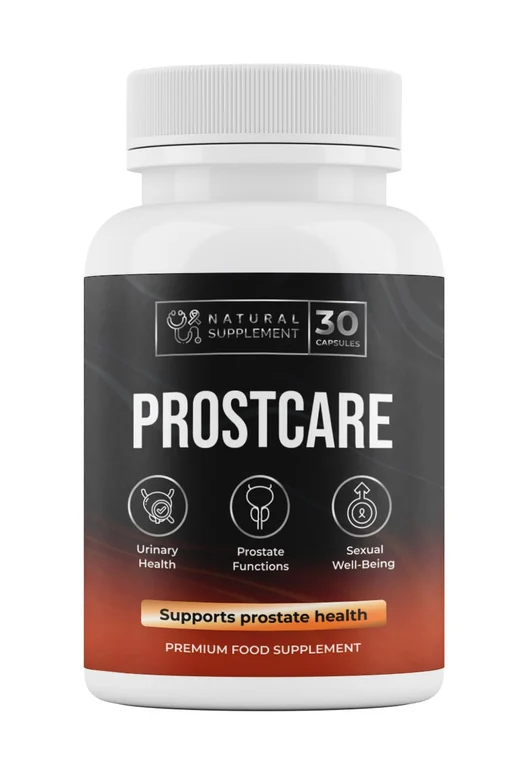
Prostcare
Saw palmetto, lycopene, green tea and turmeric capsules for men’s urinary comfort
KES 4,999
Order page
Health hub
15 concerns explained in plain language, each with the products actually sold for it in African markets — advertised price on every card, 77 of them orderable today with payment on delivery. Below that, 24 guides on reading a label, spotting a fake and comparing brands.
Men’s formulas bring together some of the best-known vitality botanicals — ginseng, maca, fenugreek — with zinc, magnesium and B vitamins. What is happening and what actually helps
Saw palmetto, lycopene, green tea and turmeric capsules for men’s urinary comfort
KES 4,999
Order page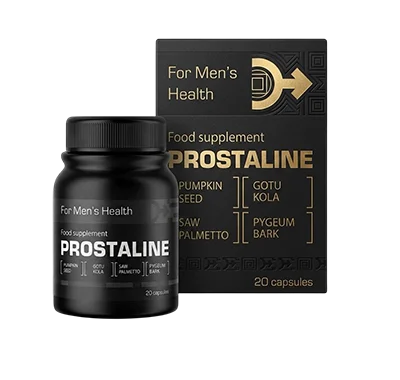
Men’s prostate and urinary comfort capsules with sharpleaf galangal
KES 6,600
Order page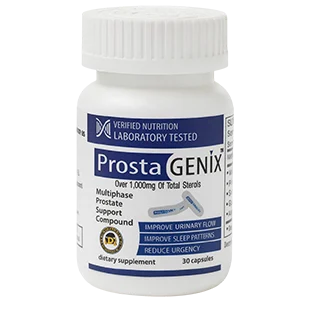
Sharpleaf galangal capsules for prostate function and men’s urinary comfort
KES 6,750
Order page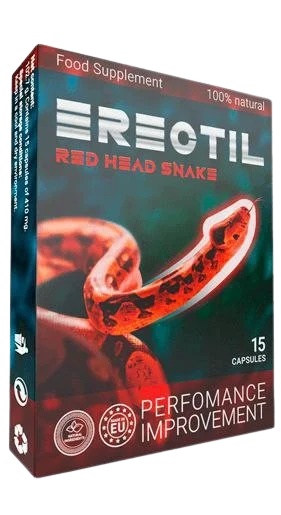
Maca, fenugreek, ginseng, tongkat ali and epimedium capsules for men’s vitality
KES 5,900
Order page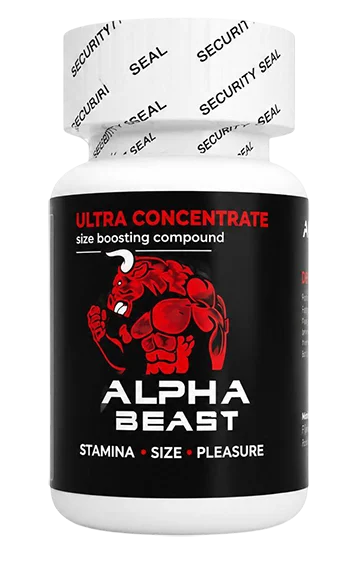
Men’s stamina and vitality tablets, taken as a course, pay on delivery in Kenya
KES 6,500
Order page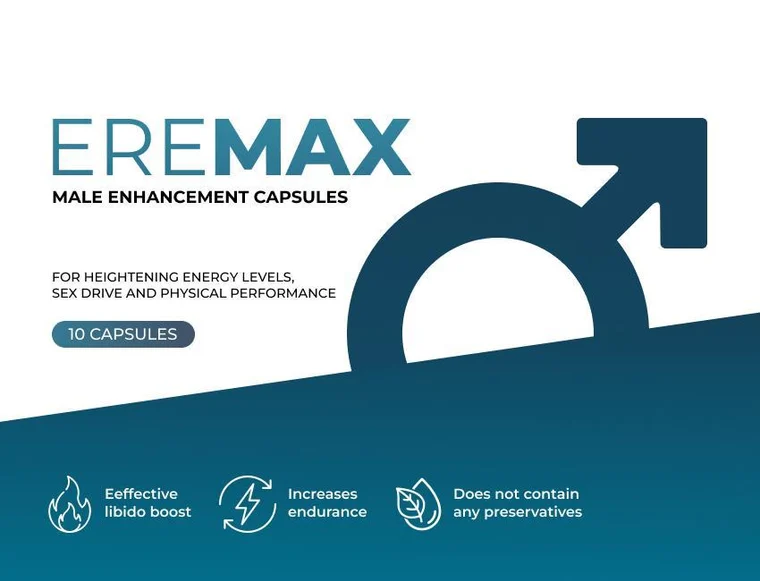
Men’s vitality capsules with a fixed cedi price and pay on delivery in Ghana
GHS 699
Order page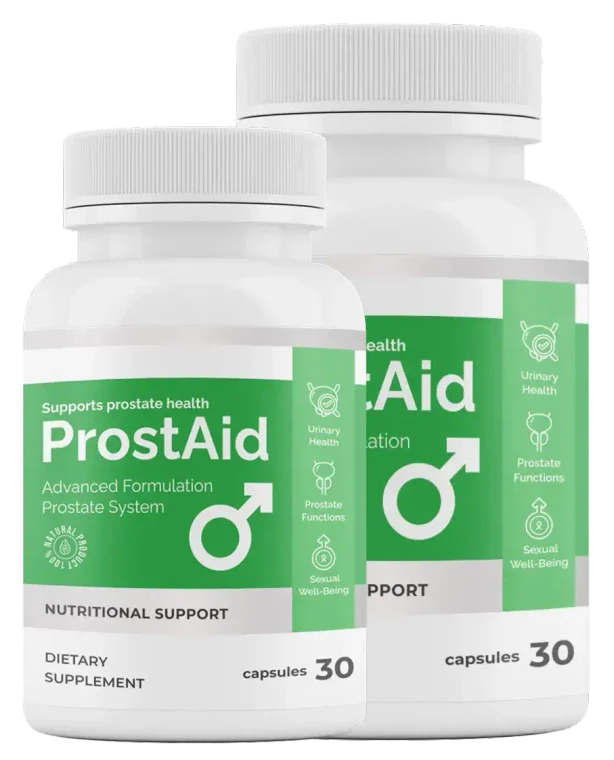
Prostate and urinary comfort capsules with zinc, selenium and vitamins
TZS 89,900
Order page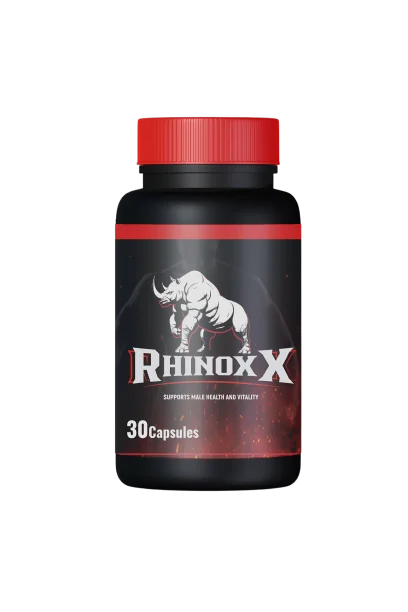
Men’s capsules for prostate comfort and everyday vitality, 30 per bottle
R649
Order page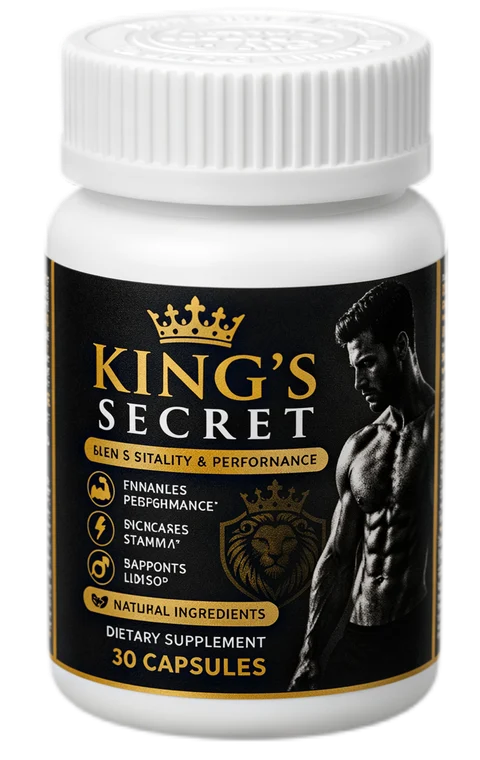
30 capsules for men’s vitality, stamina and everyday confidence
KES 6,750
Order page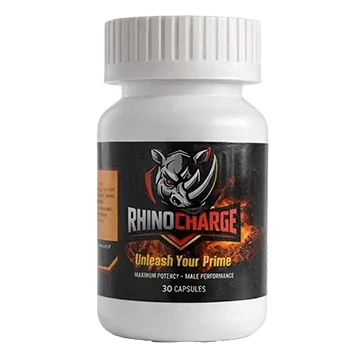
One capsule a day for prostate comfort and men’s wellbeing, two-month course
KES 6,750
Order page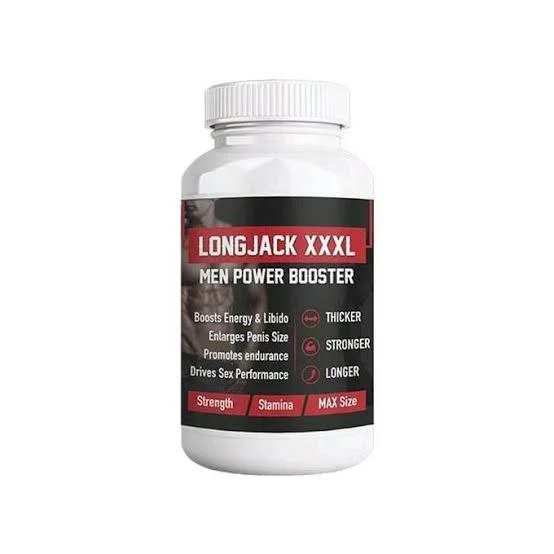
Herbal men’s capsules for stamina and confidence at an easy entry price
UGX 17,500
Order page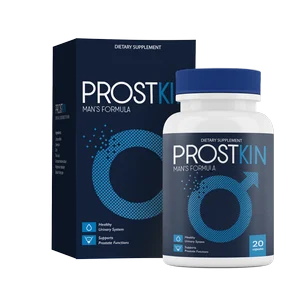
20 capsules for a healthy urinary system and prostate function
RWF 50,500
Order page
Botanical capsules with sharpleaf galangal for men’s prostate and urinary comfort
TZS 130,000
Order page Men’s vitality tablets for stamina, energy and confidence after 35
TZS 135,000
Order page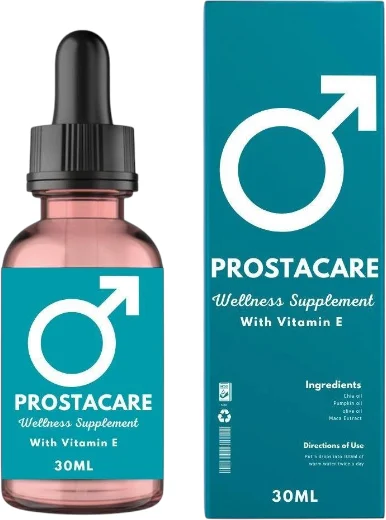
Men’s wellness drops with pumpkin seed oil, garlic oil and vitamin E in a 30 ml bottle
KES 6,900
Order page
Men’s intimate moisturising cream with shea butter, jojoba, ginkgo and arnica
KES 6,900
Order page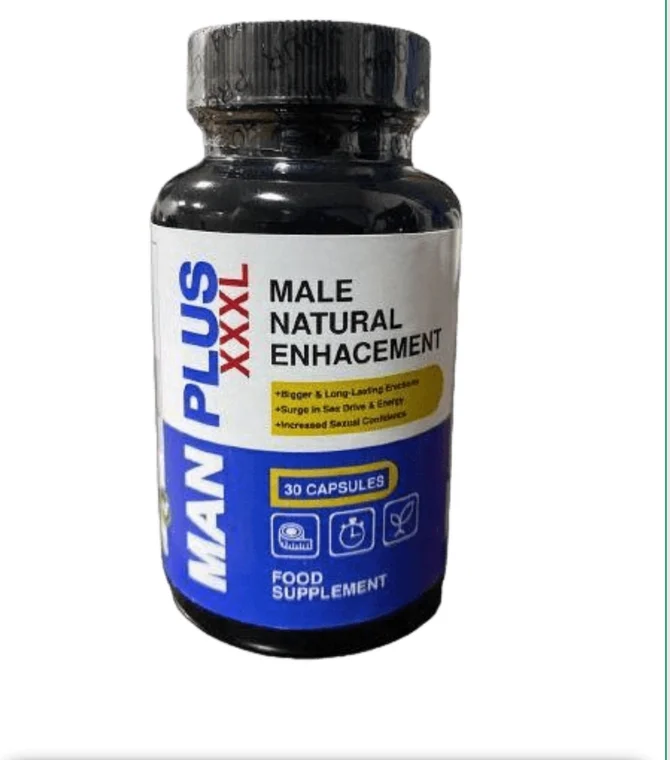
Men’s capsules for stamina, endurance and everyday energy — one bottle a month
KES 6,600
Order page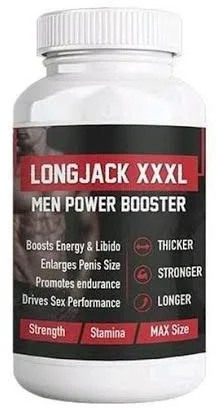
Men’s power-booster capsules for energy, endurance and confidence in Kenya
KES 6,600
Order page
Men’s performance capsules for energy and confidence — 15 per box, Uganda
UGX 172,000
Order page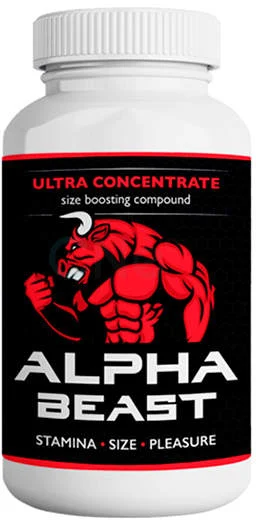
Ultra-concentrate men’s supplement for stamina, energy and confidence in Uganda
UGX 192,000
Order page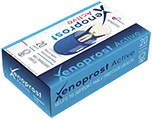
Men’s capsules for prostate comfort and vitality, delivered to every region of Nigeria
₦49,000
Order page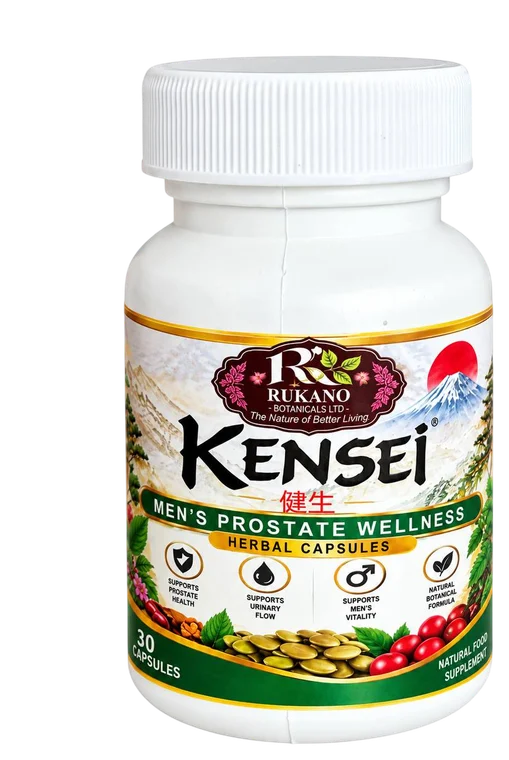
Saw palmetto, pumpkin seed and pygeum capsules for men’s prostate wellness
KES 6,480
Order page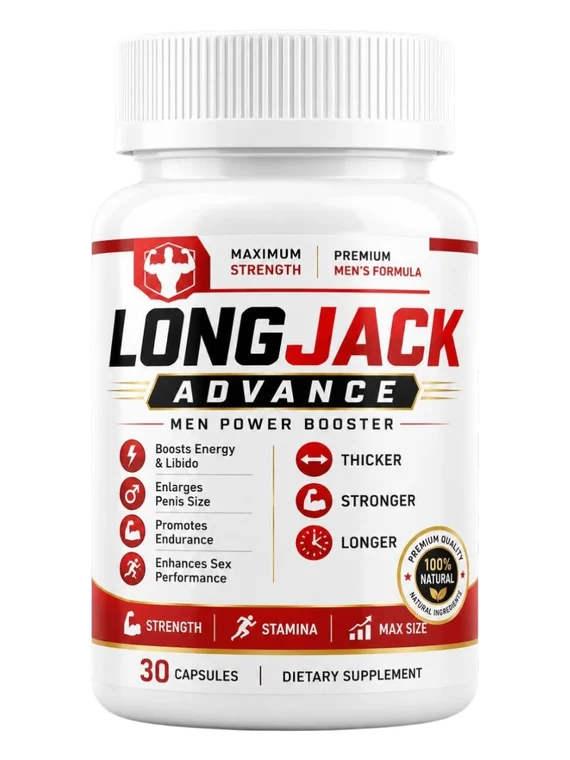
Men’s vitality capsules named after tongkat ali, 30 per pack
KES 6,600
Order page Men’s vitality capsules named after tongkat ali, 30 per pack
UGX 185,000
Order page Men’s vitality capsules named after tongkat ali, 30 per pack
TZS 135,000
Order page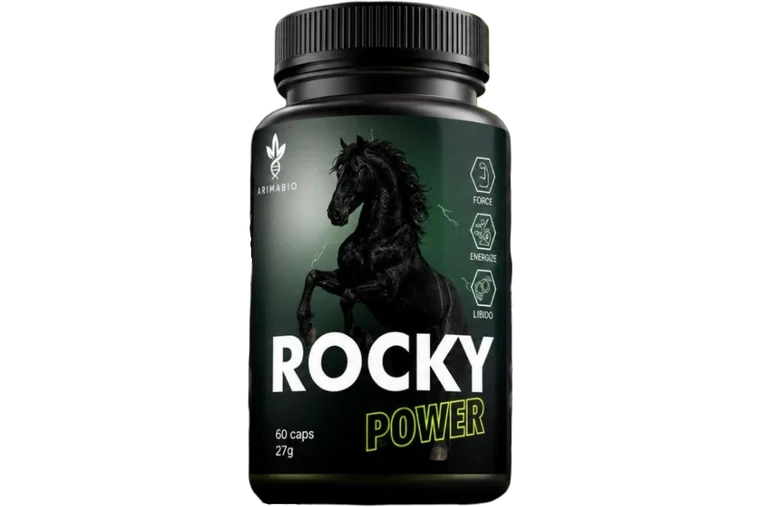
Men’s vitality capsules in a 60-capsule pack for steady day-to-day use
KES 6,600
Order page Men’s vitality capsules in a 60-capsule pack for steady day-to-day use
UGX 185,000
Order page Men’s vitality capsules in a 60-capsule pack for steady day-to-day use
TZS 135,000
Order page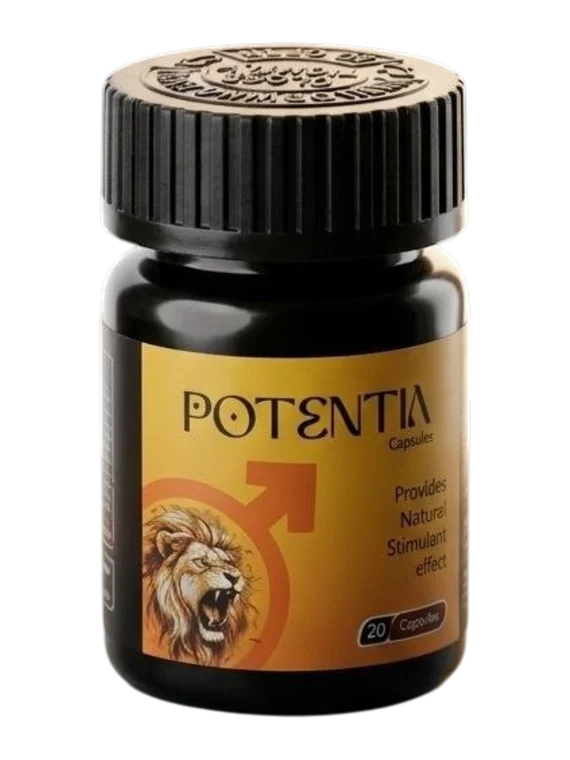
Men’s vitality capsules in a 20-capsule pack, delivered in Nigeria
₦49,000
Order pageJoint comfort is the most common reason people in the region start taking a supplement. What is happening and what actually helps
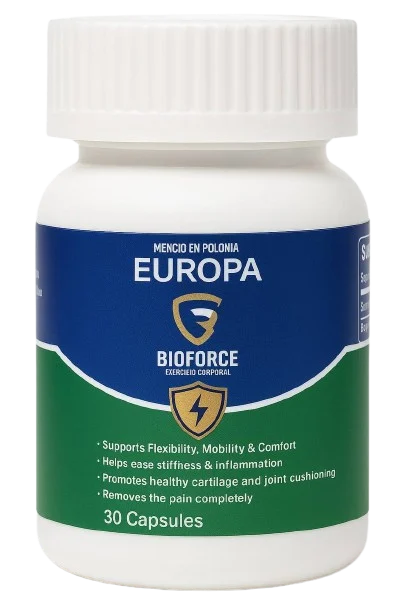
Six-ingredient joint capsules with glucosamine, chondroitin and boswellia for over-40s
KES 6,750
Order page
Plant-based capsules for back and joint comfort at an accessible price
KES 4,999
Order page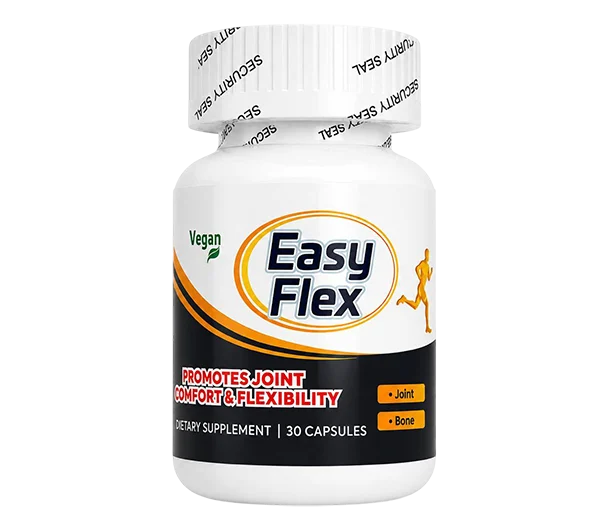
Collagen, glucosamine and chondroitin tablets — the classic joint trio
KES 6,500
Order page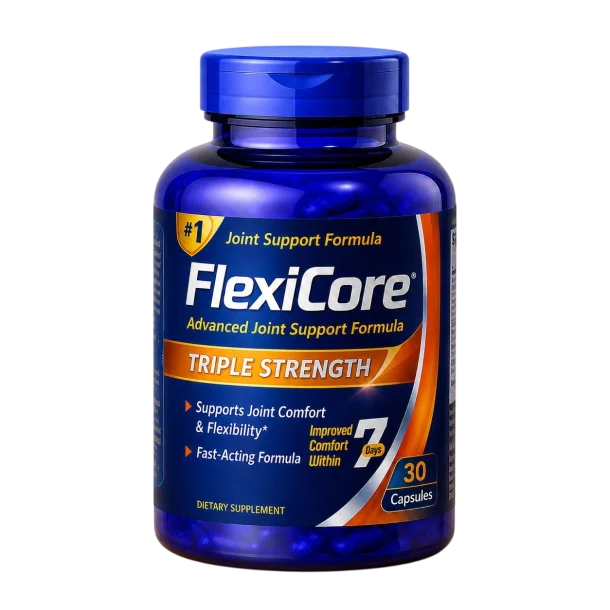
Collagen II, glucosamine, chondroitin and hyaluronic acid in one daily joint capsule
₦49,000
Order page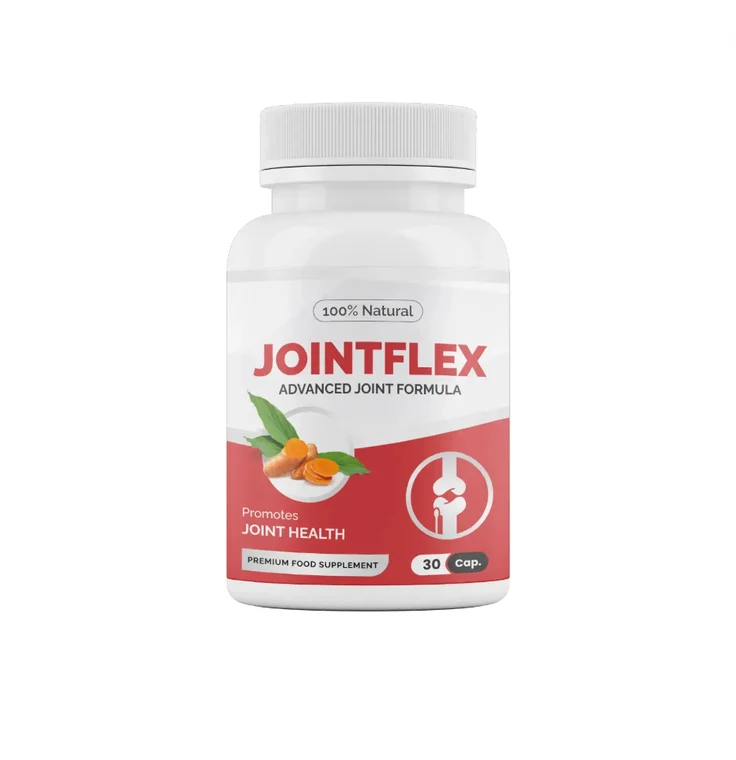
30 capsules of a natural joint formula for comfort and everyday mobility
TZS 89,900
Order page
A joint-care formula in a jar for everyday mobility, delivered across Rwanda
RWF 50,500
Order page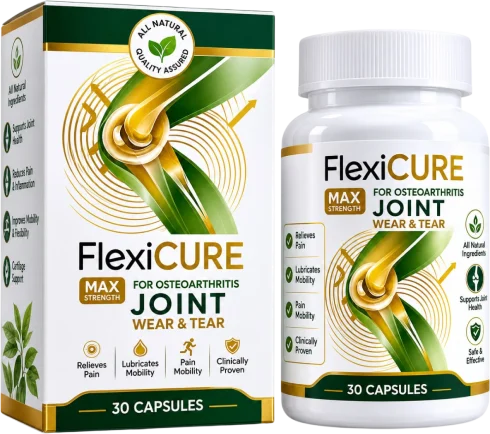
Collagen II, glucosamine, chondroitin and hyaluronic acid in one daily joint capsule
TZS 130,000
Order page Collagen II, glucosamine and chondroitin tablets for joint comfort after 40
TZS 135,000
Order page
Cooling massage gel with menthol, camphor, thyme and eucalyptus for joints and muscles
KES 6,900
Order page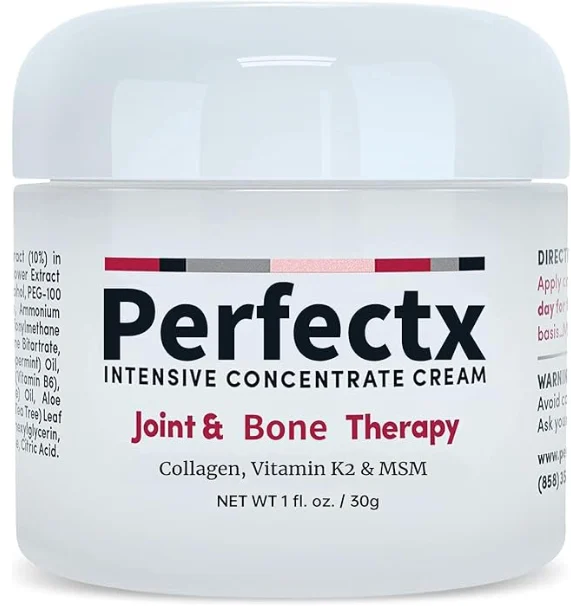
Joint and bone care cream with collagen, chondroitin, vitamin K2 and MSM
KES 5,500
Order page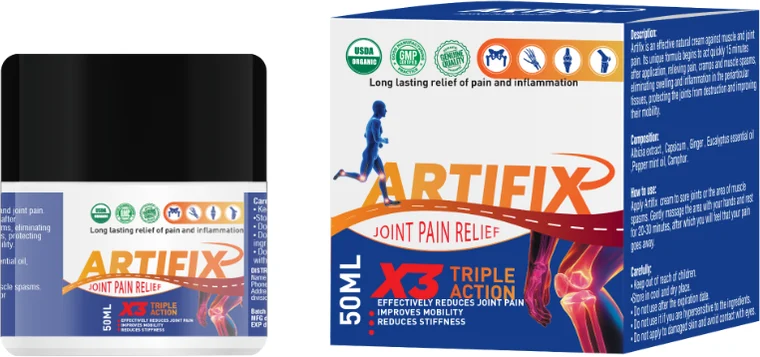
Joint-care cream for daily massage, 50 ml, delivered across Uganda
UGX 169,000
Order page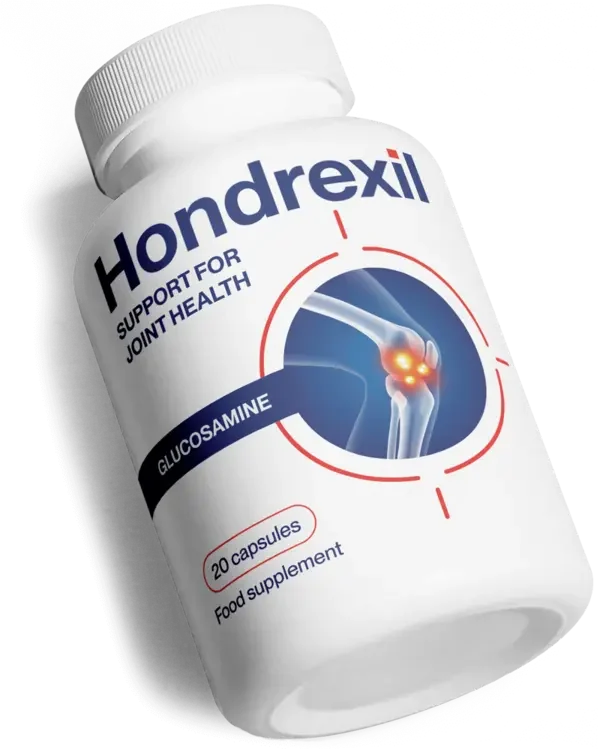
Glucosamine, chondroitin, turmeric and ginger in one joint capsule for Nigeria
₦48,900
Order page
A warming body gel for muscles and joints after work, sport or a long day on your feet
TZS 91,900
Order page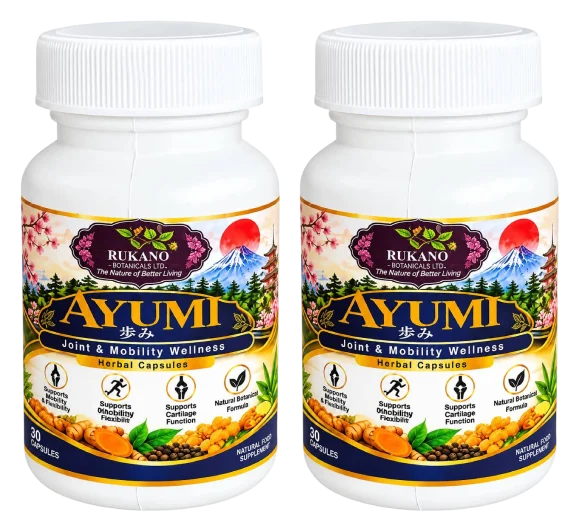
Turmeric, boswellia, black pepper and devil’s claw capsules for joints and mobility
KES 6,480
Order page
The prostate enlarges in most men with age, and the urinary symptoms that follow are common rather than exotic. What is happening and what actually helps
Saw palmetto, lycopene, green tea and turmeric capsules for men’s urinary comfort
KES 4,999
Order page Men’s prostate and urinary comfort capsules with sharpleaf galangal
KES 6,600
Order page Sharpleaf galangal capsules for prostate function and men’s urinary comfort
KES 6,750
Order page Prostate and urinary comfort capsules with zinc, selenium and vitamins
TZS 89,900
Order page Men’s capsules for prostate comfort and everyday vitality, 30 per bottle
R649
Order page One capsule a day for prostate comfort and men’s wellbeing, two-month course
KES 6,750
Order page 20 capsules for a healthy urinary system and prostate function
RWF 50,500
Order page Botanical capsules with sharpleaf galangal for men’s prostate and urinary comfort
TZS 130,000
Order page Men’s wellness drops with pumpkin seed oil, garlic oil and vitamin E in a 30 ml bottle
KES 6,900
Order page Men’s capsules for prostate comfort and vitality, delivered to every region of Nigeria
₦49,000
Order page Saw palmetto, pumpkin seed and pygeum capsules for men’s prostate wellness
KES 6,480
Order page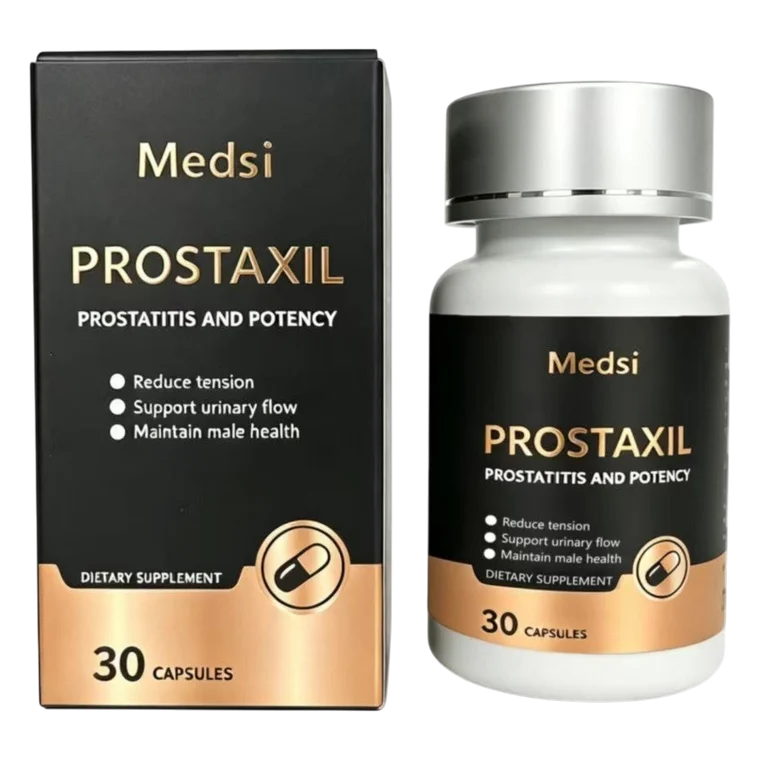
Prostate comfort formula with beta-sitosterol, nettle root and pumpkin seed
GHS 650
Order pageAgeing well is about maintaining muscle, bone, balance and cognition. What is happening and what actually helps
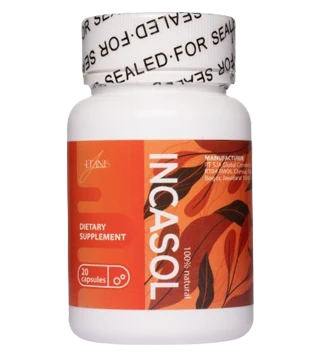
Six-botanical herbal capsules for heart and circulation wellness, 20 per pack
Out of stock — see the review for the alternative
Read the review Six-ingredient joint capsules with glucosamine, chondroitin and boswellia for over-40s
KES 6,750
Order page Collagen, glucosamine and chondroitin tablets — the classic joint trio
KES 6,500
Order page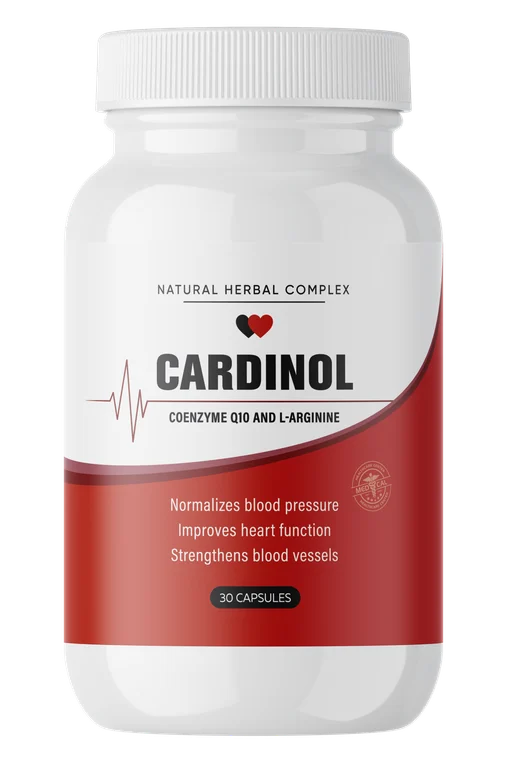
Seven-ingredient heart and circulation capsules with olive leaf and hawthorn
GHS 499
Order page
African mango, vitamin D, CoQ10 and red yeast rice capsules for heart wellbeing
₦59,000
Order page Collagen II, glucosamine, chondroitin and hyaluronic acid in one daily joint capsule
₦49,000
Order page
Daily capsules for blood vessel and circulation wellbeing, pay on delivery in Tanzania
TZS 89,990
Order page Collagen II, glucosamine, chondroitin and hyaluronic acid in one daily joint capsule
TZS 130,000
Order page Collagen II, glucosamine and chondroitin tablets for joint comfort after 40
TZS 135,000
Order page
Lutein, zeaxanthin, vitamins A, C, E and zinc for screen-tired eyes
KES 6,750
Order page Glucosamine, chondroitin, turmeric and ginger in one joint capsule for Nigeria
₦48,900
Order page A warming body gel for muscles and joints after work, sport or a long day on your feet
TZS 91,900
Order page Turmeric, boswellia, black pepper and devil’s claw capsules for joints and mobility
KES 6,480
Order pageArthritis is a family of conditions, not a single diagnosis, and the right response differs sharply between them. What is happening and what actually helps
Six-ingredient joint capsules with glucosamine, chondroitin and boswellia for over-40s
KES 6,750
Order page Plant-based capsules for back and joint comfort at an accessible price
KES 4,999
Order page Collagen, glucosamine and chondroitin tablets — the classic joint trio
KES 6,500
Order page Collagen II, glucosamine, chondroitin and hyaluronic acid in one daily joint capsule
₦49,000
Order page 30 capsules of a natural joint formula for comfort and everyday mobility
TZS 89,900
Order page A joint-care formula in a jar for everyday mobility, delivered across Rwanda
RWF 50,500
Order page Collagen II, glucosamine, chondroitin and hyaluronic acid in one daily joint capsule
TZS 130,000
Order page Collagen II, glucosamine and chondroitin tablets for joint comfort after 40
TZS 135,000
Order page Cooling massage gel with menthol, camphor, thyme and eucalyptus for joints and muscles
KES 6,900
Order page Joint-care cream for daily massage, 50 ml, delivered across Uganda
UGX 169,000
Order page Glucosamine, chondroitin, turmeric and ginger in one joint capsule for Nigeria
₦48,900
Order page Turmeric, boswellia, black pepper and devil’s claw capsules for joints and mobility
KES 6,480
Order page
Cardiovascular disease is rising steadily across African cities as diets and activity patterns change. What is happening and what actually helps
Six-botanical herbal capsules for heart and circulation wellness, 20 per pack
Out of stock — see the review for the alternative
Read the review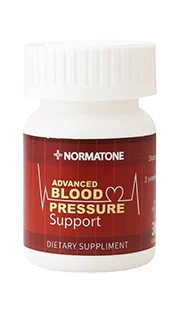
Magnesium, calcium, potassium and L-carnitine capsules for heart wellness
KES 6,750
Order page Seven-ingredient heart and circulation capsules with olive leaf and hawthorn
GHS 499
Order page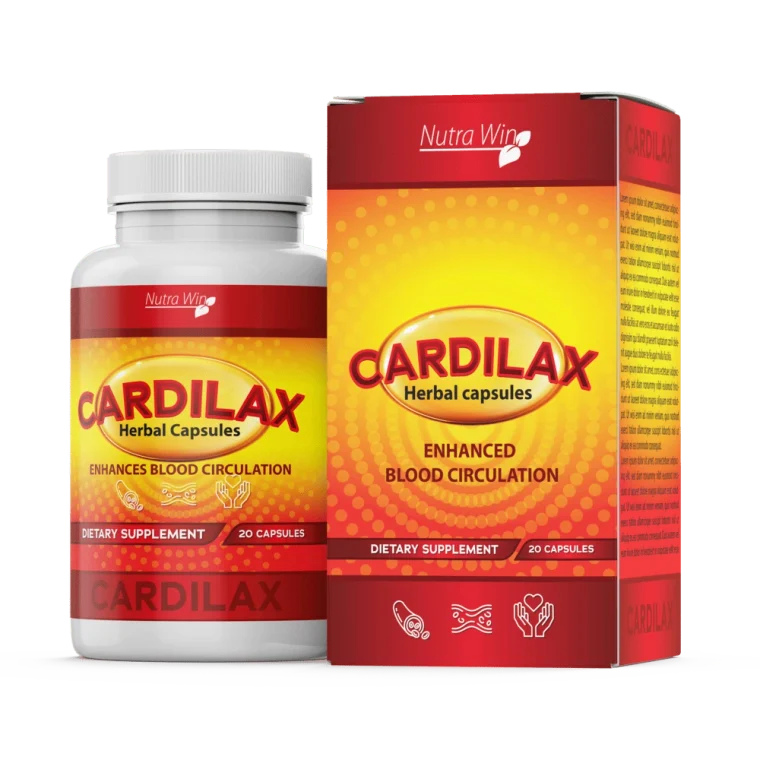
African mango, vitamin D, CoQ10 and red yeast rice capsules for heart wellbeing
₦59,000
Order page Daily capsules for blood vessel and circulation wellbeing, pay on delivery in Tanzania
TZS 89,990
Order page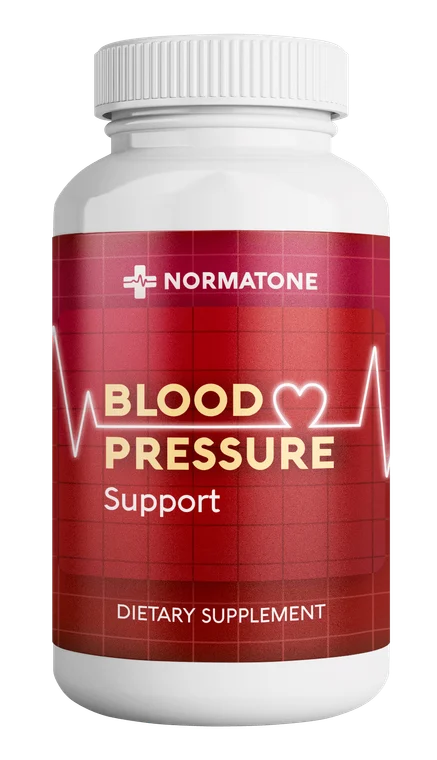
Daily capsules for blood pressure support and heart wellbeing in South Africa
R899
Order page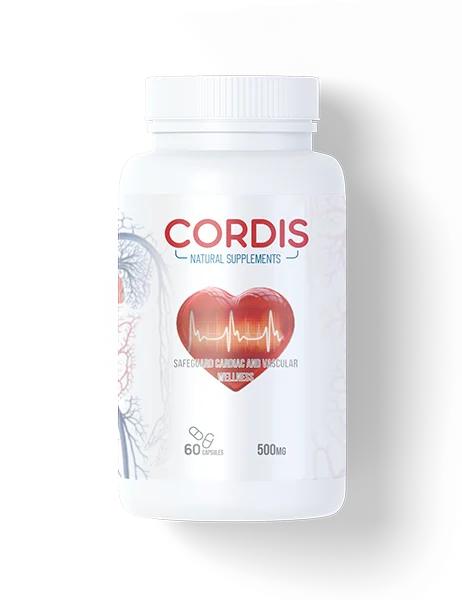
60 capsules of 500 mg for heart and circulation support, R649 delivered
R649
Order page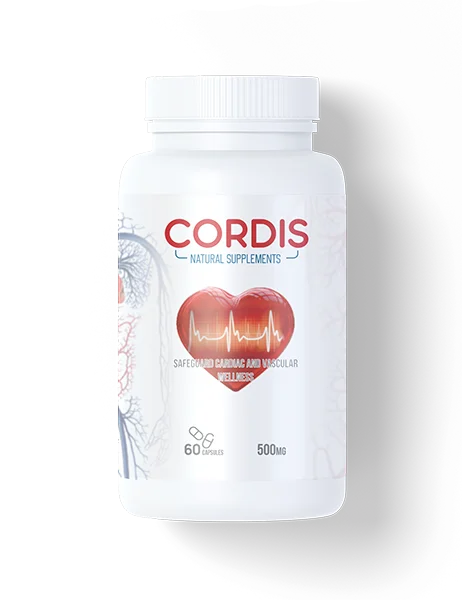
Heart and circulation support capsules on a dedicated Nigerian order line
₦56,000
Order page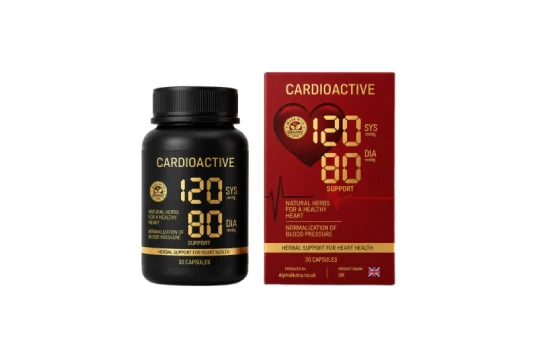
Herbal capsules for everyday heart and circulation support, 30 per pack
TZS 130,000
Order page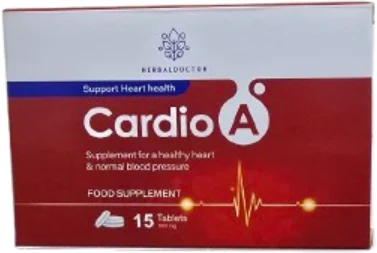
Hawthorn, ginkgo, garlic and nettle with vitamins in a daily heart tablet
UGX 172,000
Order page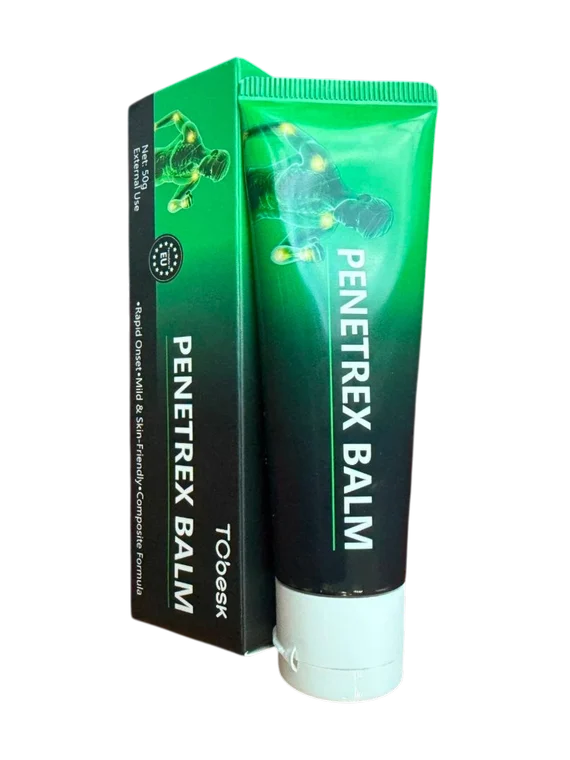
Cooling menthol and eucalyptus balm for tired, heavy legs, in a handy tube
KES 5,990
Order pageHigh blood pressure causes no symptoms until it causes damage, which is why it is called the silent condition. What is happening and what actually helps
Six-botanical herbal capsules for heart and circulation wellness, 20 per pack
Out of stock — see the review for the alternative
Read the review Magnesium, calcium, potassium and L-carnitine capsules for heart wellness
KES 6,750
Order page Seven-ingredient heart and circulation capsules with olive leaf and hawthorn
GHS 499
Order page African mango, vitamin D, CoQ10 and red yeast rice capsules for heart wellbeing
₦59,000
Order page Daily capsules for blood vessel and circulation wellbeing, pay on delivery in Tanzania
TZS 89,990
Order page Daily capsules for blood pressure support and heart wellbeing in South Africa
R899
Order page 60 capsules of 500 mg for heart and circulation support, R649 delivered
R649
Order page Heart and circulation support capsules on a dedicated Nigerian order line
₦56,000
Order page Herbal capsules for everyday heart and circulation support, 30 per pack
TZS 130,000
Order page Hawthorn, ginkgo, garlic and nettle with vitamins in a daily heart tablet
UGX 172,000
Order page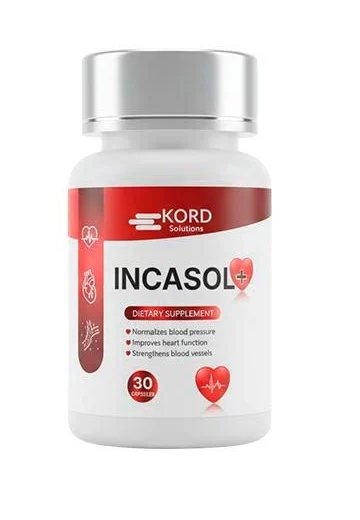
Daily capsules for heart and blood pressure wellness, 30 per bottle
GHS 650
Order pageType 2 diabetes is one of the fastest-growing health concerns on the continent, and more people are looking after their glucose every day. What is happening and what actually helps
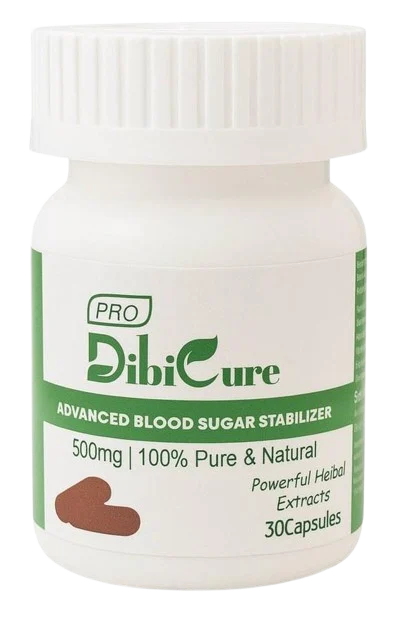
Konjac fibre, Indian barberry and chromium capsules for glucose metabolism
KES 6,750
Order page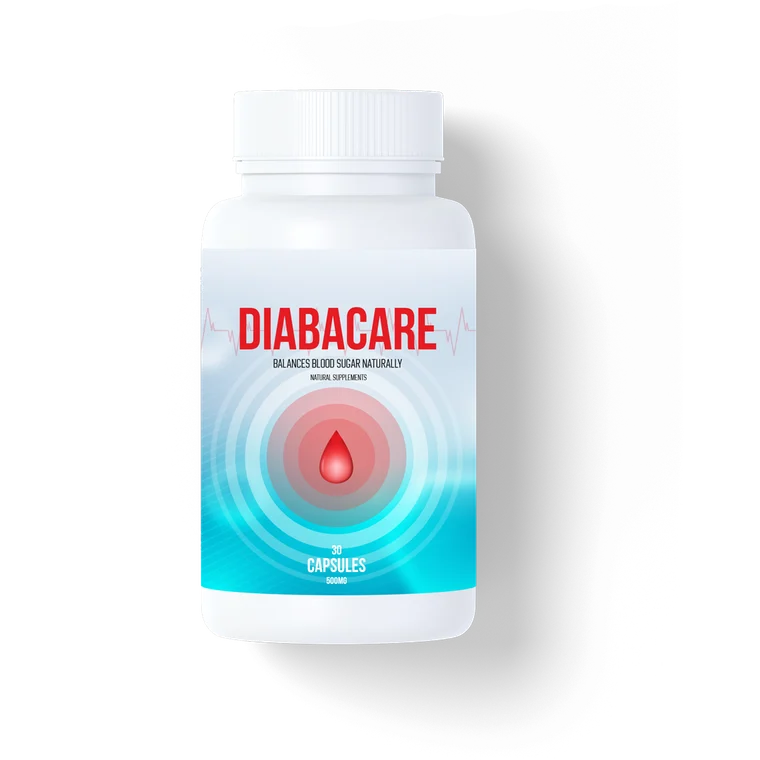
Six-herb capsules for healthy blood sugar balance, 30 × 500 mg per pack
R649
Order page
Daily blood sugar support capsules, now at half the stated regular price
KES 6,750
Order page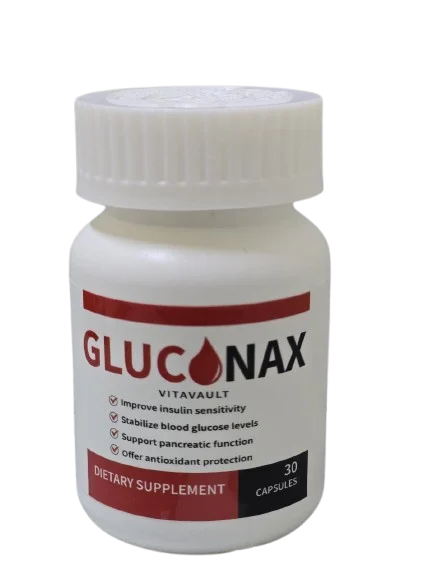
Gymnema, mulberry leaf and chromium in one daily capsule for balanced eating
KES 6,600
Order page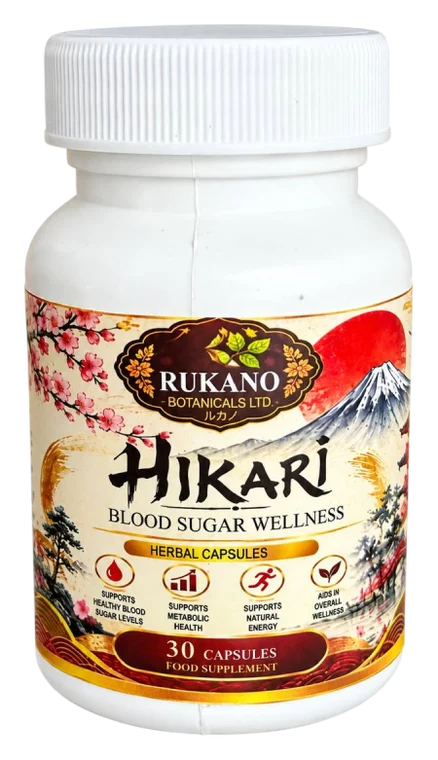
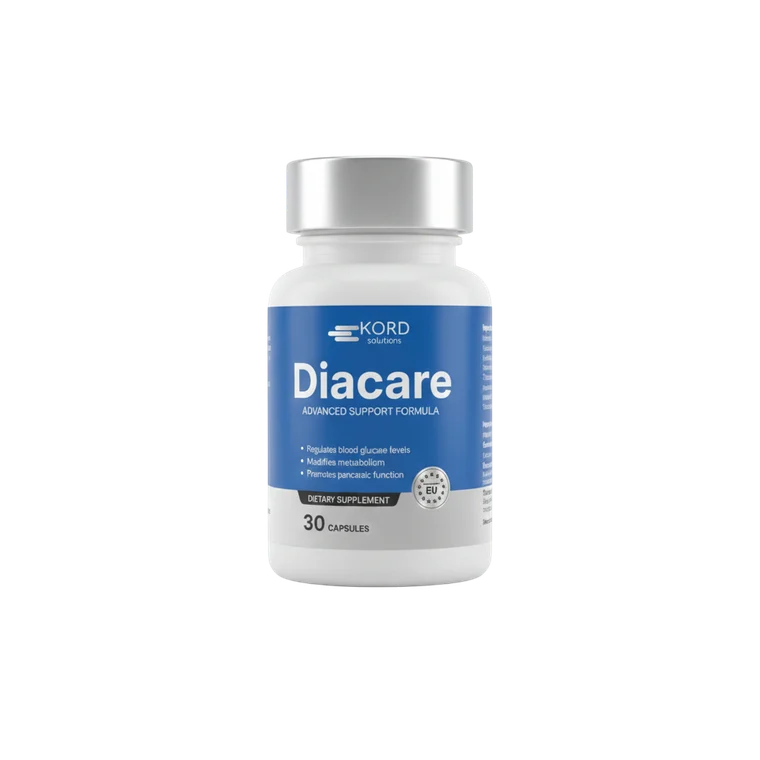
Six-ingredient capsules with barberry, cinnamon and green tea for daily glucose support
GHS 650
Order page Six-ingredient capsules with barberry, cinnamon and green tea for daily glucose support
KES 5,990
Order page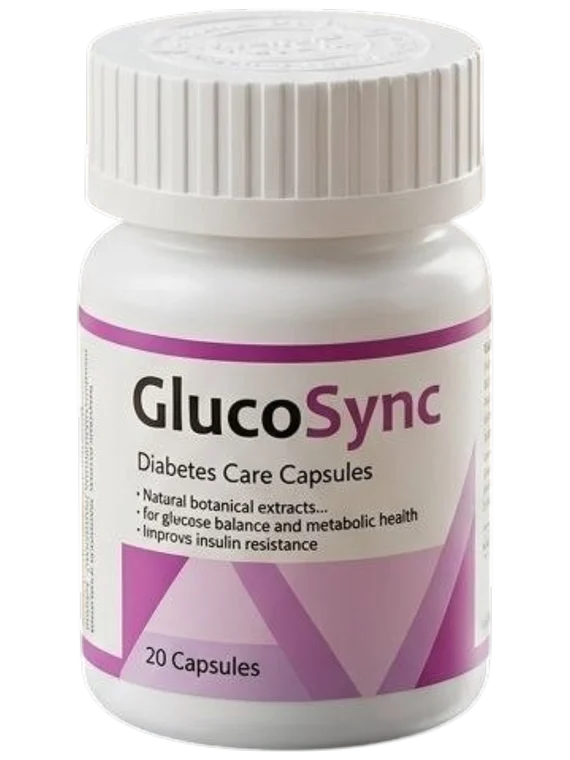
Plant-based capsules for daily glucose balance, 20 per pack, delivered in Nigeria
₦49,000
Order page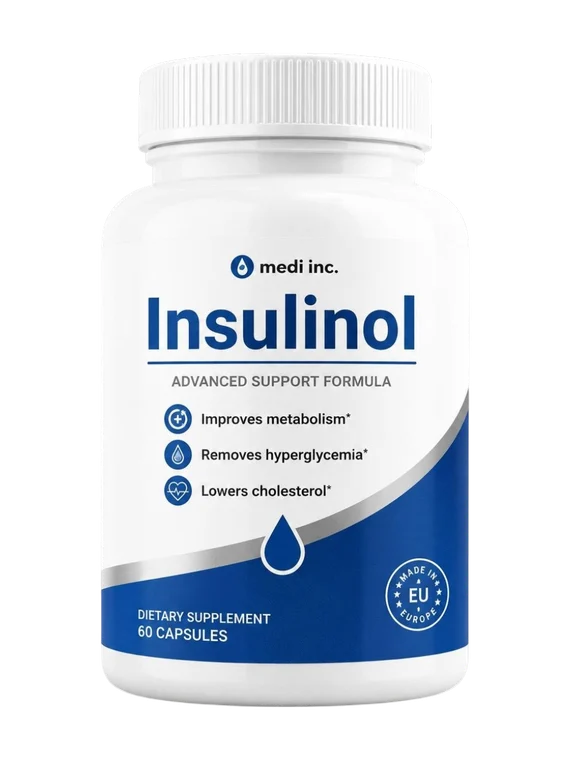
60-capsule pack for daily glucose balance, in Kenya, Tanzania and Uganda
KES 6,600
Order page 60-capsule pack for daily glucose balance, in Kenya, Tanzania and Uganda
TZS 135,000
Order page 60-capsule pack for daily glucose balance, in Kenya, Tanzania and Uganda
UGX 185,000
Order pageWeight management works best as a package: sensible portions, regular activity and habits you can keep up every day. What is happening and what actually helps
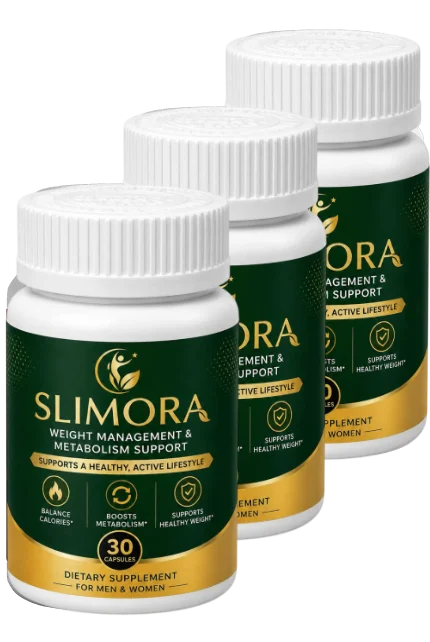
Cleanse and weight management capsules taken before meals, pay on delivery
KES 6,750
Order page
Garcinia cambogia (60% HCA) and green coffee in one daily capsule
TZS 135,000
Order page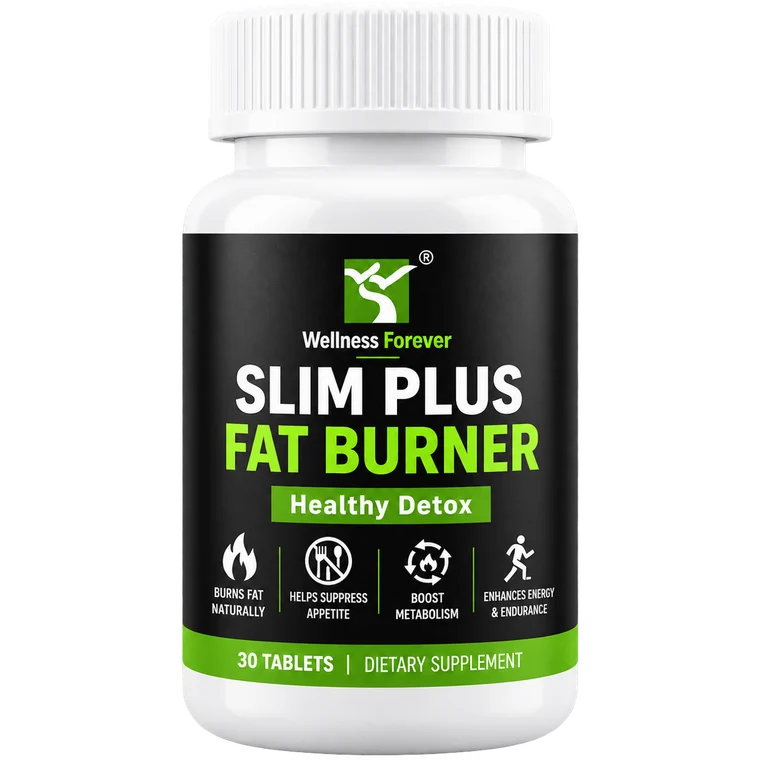
30-tablet weight-management supplement for a fresh start every day in Kenya
KES 6,600
Order page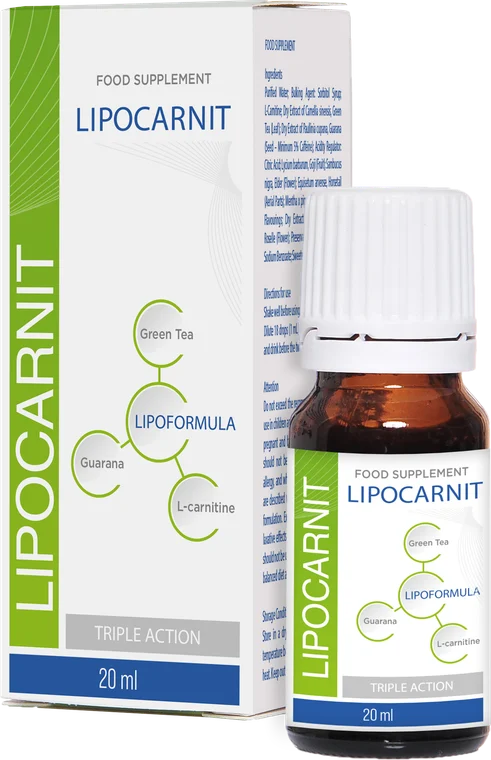
Weight-management drops for adults over 35, taken twice a day, delivered in Nigeria
₦48,900
Order page
A green matcha drink with spirulina — one warm cup a day alongside your weight goals
TZS 91,900
Order pageDigestive complaints are among the most common reasons people buy supplements, and among the areas where diet does most of the work. What is happening and what actually helps
Cleanse and weight management capsules taken before meals, pay on delivery
KES 6,750
Order page
Herbal cleanse capsules for digestive comfort and a lighter feeling
KES 6,750
Order page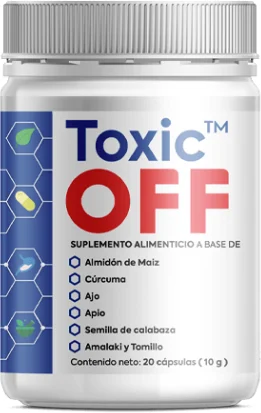
One-a-day herbal capsule with wormwood, turmeric, gotu kola, amla and celery
KES 6,100
Order page One herbal capsule a day with wormwood, turmeric, gotu kola, amla and celery
TZS 91,900
Order pageEye supplements are built around lutein and zeaxanthin, the carotenoids the retina concentrates in its centre. What is happening and what actually helps
Lutein, zeaxanthin, vitamins A, C, E and zinc for screen-tired eyes
KES 6,750
Order pageBone is living tissue that remodels continuously, and the balance shifts with age, hormones and activity. What is happening and what actually helps
Joint and bone care cream with collagen, chondroitin, vitamin K2 and MSM
KES 5,500
Order page3 topics where our catalogue carries nothing. The pages are still here — what is happening, what changes the outcome, and which ingredients have evidence behind them — for when you buy elsewhere.
Women’s nutritional needs change with menstruation, pregnancy, breastfeeding and menopause, and two of the region’s most common deficiencies — iron and vitamin D — sit squarely in this space.
The immune system works at its best when its nutritional needs are met every day.
Sleep problems are common, and calm evenings are where good nights begin.

24 practical guides written for someone standing in front of a shelf or a checkout, not for a search engine: what the label has to tell you, how to check a pack on delivery, which interactions matter and when a pharmacist should be asked first.
The best supplement choices start with a clear goal.
A supplement label holds everything you need to choose and use a product well.
“Supports”, “contributes to normal function”, “helps maintain” and “traditionally used for” are the four phrases you will meet on almost every supplement pack.
Payment on delivery gives you a moment to look at your pack before you pay.
Ordering a supplement online in Africa is simple when the route is clear.
Africa has one of the world’s richest traditions of plant use, and modern herbal supplements bring that heritage into a measured daily capsule.
Thirteen vitamins and around fifteen essential minerals do the background work of human metabolism.
People use "vitamins" as shorthand for the whole supplement aisle, which can send a conversation at the counter in the wrong direction.
Supplements are made for everyday use, and a few simple habits keep that use safe: follow the dose, check combinations with medicines, store packs well and know the signs that call for advice.
Checking a supplement against your medicines is the simplest safety step there is.
A pharmacist is the most accessible healthcare professional in most African towns, needs no appointment, and can answer supplement questions properly.
Brand comparison is easier than it looks.
Before you order, hold the ingredient list up against your own: the medicines you take, your allergies and the supplements already in your cupboard.
Staying strong, independent and steady on your feet into later life rests on a few daily habits — and well-chosen supplements support them.
Format is not a cosmetic choice.
Heat and humidity are part of daily life in Mombasa or Lagos, and a few storage habits keep supplements at their best right up to the date on the pack.
Five minutes with this checklist makes every order smooth.
Supplement regulation differs between African markets, and knowing which system applies where turns an abstract question into something you can see on a pack.
You do not need a science degree to follow research on supplement ingredients.
Pregnancy is a time when a few supplements are clearly recommended and every other product deserves a word with your midwife first.
Children are not small adults, and supplement choices for them are best made with a health worker.
Protein comes from many foods across the region — beans, groundnuts, small fish, eggs and milk — and a protein supplement is a convenient way to top up when meals fall short.
Traditional African diets were among the highest-fibre in the world, and the research showing what that does for the gut was partly done on this continent.
Night workers — nurses, drivers, security staff, hospitality workers — carry a real physiological load.
Start from the concern, not the product. Read what is happening and which changes carry the largest effect, then look at what is sold for it — with the price in front of you and the label checked on delivery before you pay. Where a supplier publishes no ingredient panel, the product page says so instead of guessing.
Medical disclaimer. BioMedic Africa publishes consumer health information and supplement research summaries. It is not a pharmacy, a clinic or a medicines regulator, and nothing here is a diagnosis, a prescription or a treatment plan. Dietary supplements are foods, not medicines: they are not intended to diagnose, treat, cure or prevent any disease. Speak with a pharmacist or a qualified healthcare professional before starting any supplement, especially if you are pregnant or breastfeeding, under 18, living with a long-term condition, or taking prescription medication.