
Kenya
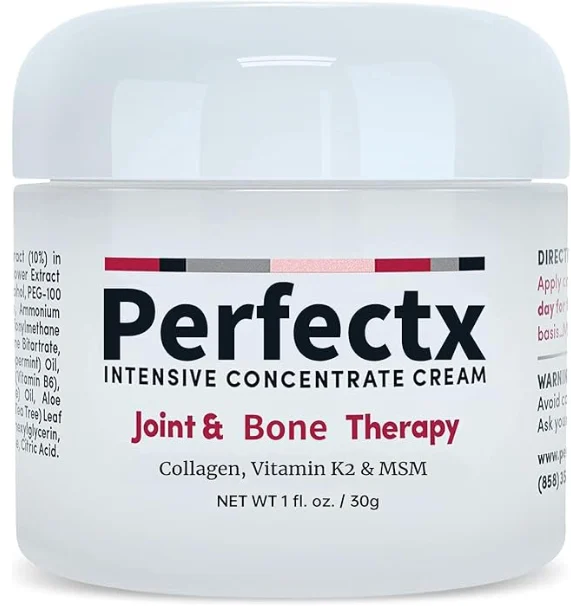
Perfect X Cream
Joint and bone care cream with collagen, chondroitin, vitamin K2 and MSM
KES 5,500
Order page
Health topic
Bone is living tissue that remodels continuously, and the balance shifts with age, hormones and activity. This guide covers the nutrients that matter, how to fill the gaps in your diet, and the exercise that keeps bone strong.

Peak bone mass is largely established by the late twenties, after which the balance gradually tips towards loss. In women, loss accelerates after menopause because oestrogen supports bone maintenance.
Calcium and vitamin D provide the raw material and the absorption pathway. Protein supplies the collagen matrix, and mechanical loading tells bone where to deposit mineral.
Dairy intake is low in many African diets, but calcium also comes from dark leafy greens, small fish eaten whole, sesame and fortified foods — sources worth counting when you choose a supplement to fill the gap.
Described as a fragility fracture and a strong signal to assess bone health medically.
Can indicate vertebral compression fractures.
Reduces the years of oestrogen exposure and increases bone loss risk.
A well-known cause of bone loss requiring specific medical management.

Walking, dancing, stair climbing and resistance training all stimulate bone maintenance. Swimming and cycling, while excellent for the heart, do less for bone.
Adequate protein supports both bone matrix and the muscle that protects against falls.
For older adults, balance exercises and a safe home are among the most valuable habits of all.
Both are associated with lower bone density.
Calcium, vitamin D, protein, vitamin K and magnesium all contribute. Calcium requirements rise after fifty for women and after seventy for men. Vitamin D enables calcium absorption, which is why the two are usually paired.
Ingredients that appear in products aimed at this topic. Each page explains what the ingredient is, how it is traditionally used and which products contain it.
Calcium is the best-known mineral for strong bones and teeth.
VitaminVitamin D is made in skin exposed to sunlight, which makes its status in equatorial Africa more complicated than latitude alone suggests.
MineralMagnesium is an essential mineral involved in hundreds of enzyme reactions, and one of the nutrients most people under-consume.
StructuralCollagen is the most-purchased structural supplement in the world, and the one where reading the type matters most.
VitaminVitamin B12 comes almost exclusively from animal foods, which makes it the one nutrient where diet pattern predicts deficiency more reliably than anything else.

See a doctor about any of the following before starting a supplement:
Bone formulas look similar and differ mainly in elemental calcium and vitamin D dose.
Minerals are inorganic elements the body needs in defined amounts, and their supplements are judged on one number the front of the pack rarely shows: elemental content.
Vitamins are essential compounds the body needs every day from food.
Products sold in African markets positioned around this topic, each with its price, format and delivery terms.
Joint and bone care cream with collagen, chondroitin, vitamin K2 and MSM
KES 5,500
Order pageGreens, whole small fish, sesame and fortified products all contribute. Estimate your intake, then choose a calcium and vitamin D product that fills the gap.
Weight-bearing and resistance exercise stimulate bone maintenance, and nutrition supplies the raw material. The two work best together.
This page summarises public health information. These are the bodies it draws on — go to them directly if you want the full text rather than our summary.
Medical disclaimer. BioMedic Africa publishes consumer health information and supplement research summaries. It is not a pharmacy, a clinic or a medicines regulator, and nothing here is a diagnosis, a prescription or a treatment plan. Dietary supplements are foods, not medicines: they are not intended to diagnose, treat, cure or prevent any disease. Speak with a pharmacist or a qualified healthcare professional before starting any supplement, especially if you are pregnant or breastfeeding, under 18, living with a long-term condition, or taking prescription medication.