
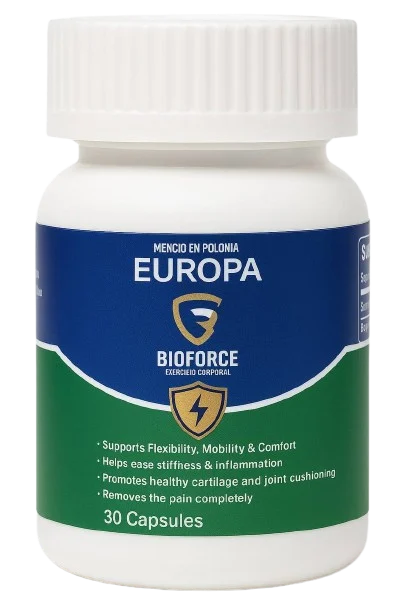
Kenya
Bioforce
Six-ingredient joint capsules with glucosamine, chondroitin and boswellia for over-40s
KES 6,750
Order page
Structural ingredient
Also known as Hydrolysed collagen, collagen peptides, type II collagen
Collagen is the most-purchased structural supplement in the world, and the one where reading the type matters most. Type I and III peptides and undenatured type II are sold for different reasons entirely.

Collagen is the main structural protein in skin, tendon, bone and cartilage. Supplement collagen is hydrolysed into short peptides, or supplied as undenatured type II collagen at very low doses.
Sources include bovine hide, porcine skin, fish skin and scales, and chicken sternum cartilage.
Long-simmered bone and trotter broths have supplied collagen-derived gelatine in African and global cooking for generations. Standardised peptide powders are recent.
Good to know. Supplements containing collagen are food supplements, so their labels describe support for everyday wellbeing.
Trials of hydrolysed collagen peptides for skin elasticity and hydration have reported improvements, making collagen a favourite of everyday beauty-from-within care.
For joints, both hydrolysed collagen at gram doses and undenatured type II collagen at 40 mg have been studied, with reported benefits for comfort and function.
Collagen peptides are absorbed into the bloodstream, and supplying them alongside vitamin C gives the body what it needs for its own collagen production.

Collagen appears in joint formulas, skin and beauty products, and sports recovery blends. Doses range from 40 mg (undenatured type II) to 10 g (hydrolysed peptides).
Mild digestive discomfort; some products have a noticeable taste.
No documented drug interactions.
People with specific dietary or religious requirements about animal sources.

Products documented in African markets whose supplier material names this ingredient.
Six-ingredient joint capsules with glucosamine, chondroitin and boswellia for over-40s
KES 6,750
Order page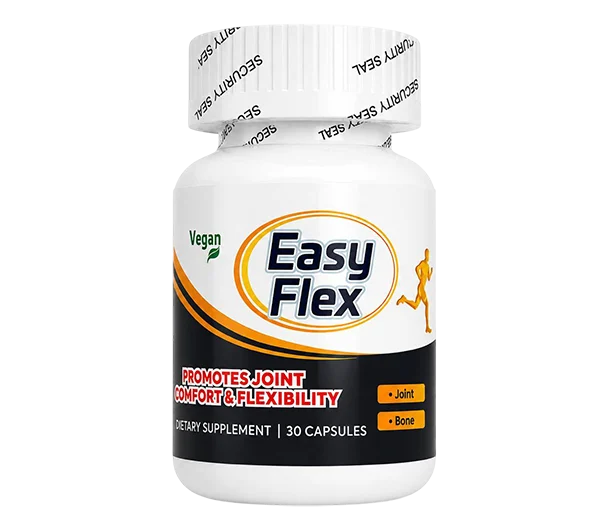
Collagen, glucosamine and chondroitin tablets — the classic joint trio
KES 6,500
Order page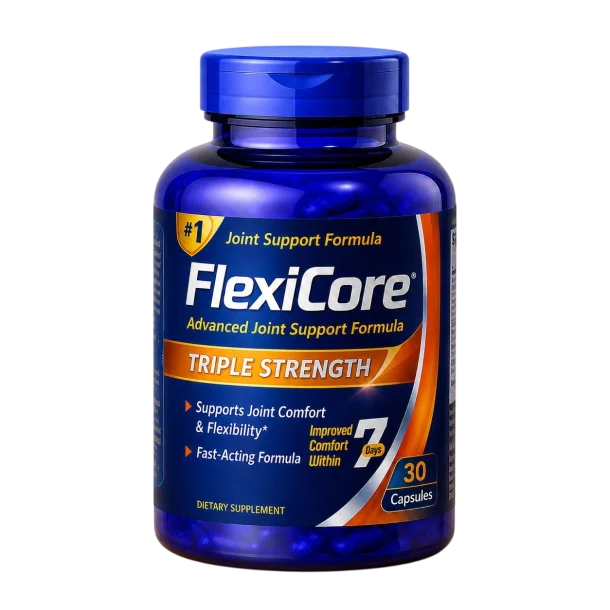
Collagen II, glucosamine, chondroitin and hyaluronic acid in one daily joint capsule
₦49,000
Order page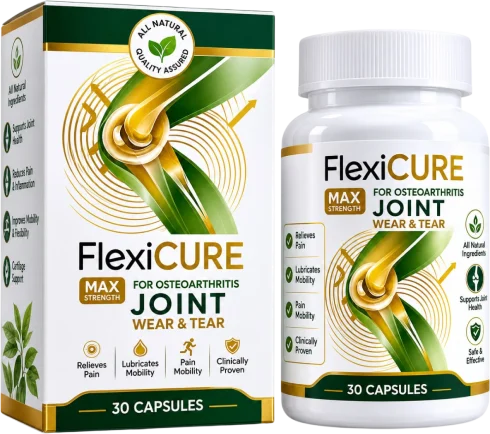
Collagen II, glucosamine, chondroitin and hyaluronic acid in one daily joint capsule
TZS 130,000
Order page Collagen II, glucosamine and chondroitin tablets for joint comfort after 40
TZS 135,000
Order page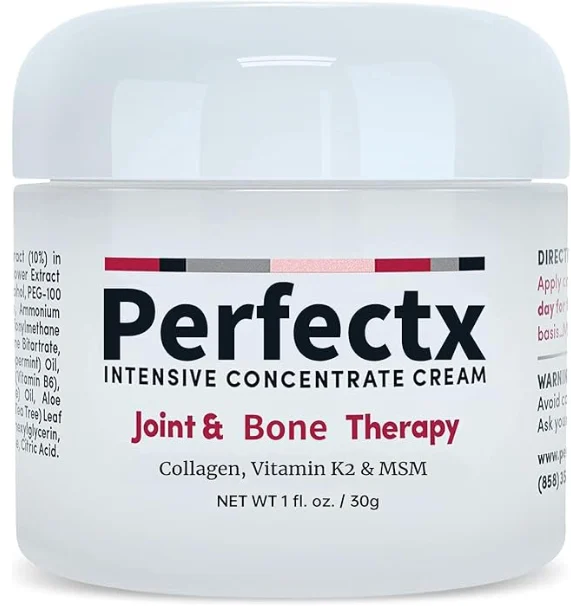
Joint and bone care cream with collagen, chondroitin, vitamin K2 and MSM
KES 5,500
Order pageIt is digested into amino acids and small peptides, some of which appear in the bloodstream and supply the building blocks the body uses for its own collagen. Trials of skin and joint comfort report benefits.
Undenatured type II is the form studied specifically for joints at low doses. Hydrolysed types I and III have also been studied for joints at much higher doses.
Medical disclaimer. BioMedic Africa publishes consumer health information and supplement research summaries. It is not a pharmacy, a clinic or a medicines regulator, and nothing here is a diagnosis, a prescription or a treatment plan. Dietary supplements are foods, not medicines: they are not intended to diagnose, treat, cure or prevent any disease. Speak with a pharmacist or a qualified healthcare professional before starting any supplement, especially if you are pregnant or breastfeeding, under 18, living with a long-term condition, or taking prescription medication.