

Kenya
Slimora
Cleanse and weight management capsules taken before meals, pay on delivery
KES 6,750
Order page
Supplement category
The digestive shelf holds several different product types — fibre, probiotics, enzymes and herbal formulas. Knowing which one suits your daily life makes choosing simple.
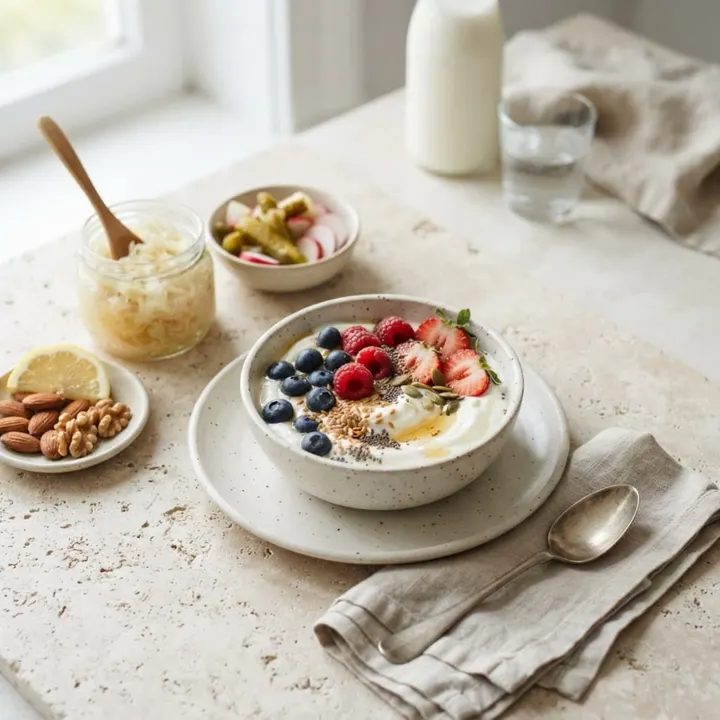
Fibre supplements — psyllium, glucomannan, inulin — act mechanically on stool consistency and fullness.
Probiotics supply live micro-organisms whose effects are strain-specific.
Digestive enzymes supply lactase, amylase or protease and are useful in specific situations such as lactose intolerance or pancreatic insufficiency.
Herbal digestives — ginger, peppermint, dandelion — have a long traditional record of use after meals and in cleanse formulas.
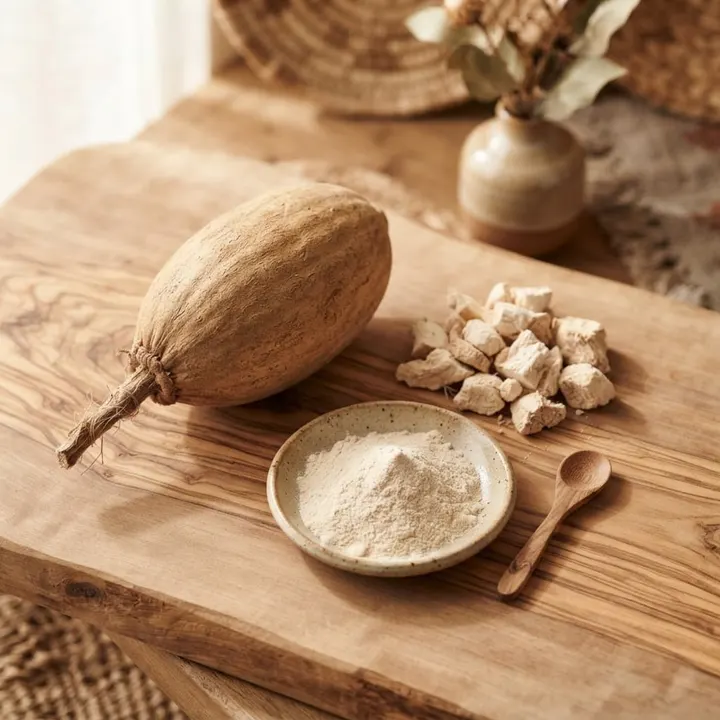
Probiotics are friendly live cultures that carry on Africa’s long tradition of fermented foods in a convenient capsule.
BotanicalBaobab fruit powder is a naturally dry, vitamin C-rich African ingredient that needs no processing to become a supplement.
BotanicalGinger is one of the few botanicals that is both an everyday African kitchen staple and a genuinely well-studied supplement ingredient.
BotanicalDandelion root is a bitter herb used for centuries as a digestive and diuretic tonic.
BotanicalBurdock root is eaten as a vegetable in East Asia and used as a traditional bitter in European and Asian herbal practice.
A probiotic label should give the full strain designation, not just a genus.
More useful than the count at manufacture, especially in hot climates.
Soluble fibre softens stool and can help both constipation and looseness; insoluble adds bulk.
Refrigerated versus shelf-stable matters a great deal in tropical conditions.

Products documented from supplier material for African markets, each with its price, format and delivery terms.
Cleanse and weight management capsules taken before meals, pay on delivery
KES 6,750
Order page
Herbal cleanse capsules for digestive comfort and a lighter feeling
KES 6,750
Order page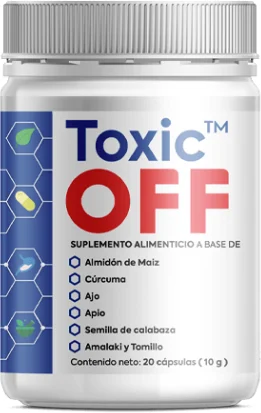
One-a-day herbal capsule with wormwood, turmeric, gotu kola, amla and celery
KES 6,100
Order page One herbal capsule a day with wormwood, turmeric, gotu kola, amla and celery
TZS 91,900
Order page
These products reach African buyers through chain pharmacies, supermarket health aisles, online pharmacies, marketplaces and direct-order delivery. Each channel differs in price, choice, advice and accountability — our where to buy guide compares them, and the Kenya guide covers that market in detail.
Yes, a course of antibiotics is one of the best-known times to take a probiotic. Take it at a different time of day from the antibiotic.
They are designed for specific situations, such as lactase for lactose intolerance. For everyday bloating, regular meals, fibre and herbal digestives such as ginger and peppermint are popular choices.
Medical disclaimer. BioMedic Africa publishes consumer health information and supplement research summaries. It is not a pharmacy, a clinic or a medicines regulator, and nothing here is a diagnosis, a prescription or a treatment plan. Dietary supplements are foods, not medicines: they are not intended to diagnose, treat, cure or prevent any disease. Speak with a pharmacist or a qualified healthcare professional before starting any supplement, especially if you are pregnant or breastfeeding, under 18, living with a long-term condition, or taking prescription medication.