
Kenya Out of stock
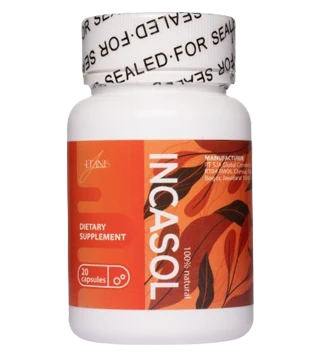
Incasol
Six-botanical herbal capsules for heart and circulation wellness, 20 per pack
Out of stock — see the review for the alternative
Read the review
Botanical ingredient
Zingiber officinale · Also known as Tangawizi (Swahili)
Ginger is one of the few botanicals that is both an everyday African kitchen staple and a genuinely well-studied supplement ingredient. Its gingerols and shogaols are the reason it appears in digestive, joint and circulation formulas alike.
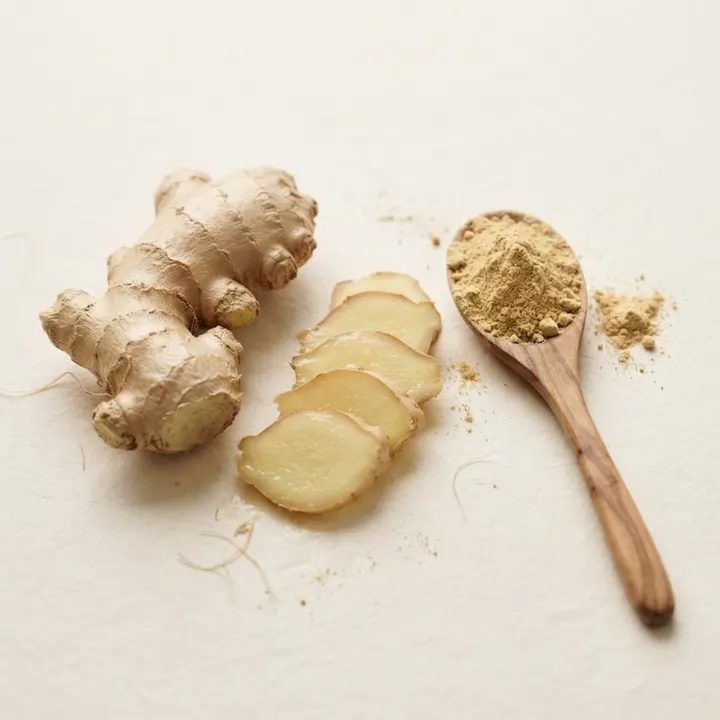
Ginger is the rhizome of Zingiber officinale, grown widely in Kenya, Uganda, Tanzania and Nigeria and sold fresh in every major market. Tangawizi tea is part of daily life across much of the region.
Its characteristic pungency comes from gingerols in the fresh root, which convert to shogaols when dried or heated. Supplement extracts are usually standardised to one of these groups.
Ginger is used across East and West Africa as a warming tea, a cold-weather drink and a digestive after heavy meals. It is one of the few supplement ingredients where the traditional African use and the international research literature clearly overlap.
Good to know. Supplements containing ginger are food supplements, so their labels describe support for everyday wellbeing.
Ginger is best known in research for settling the stomach and easing feelings of nausea, where reviews have generally been favourable.
Several controlled trials have also looked at ginger for joint comfort and menstrual comfort and reported benefits, which is why it features in joint and women’s formulas.
Researchers have also studied ginger in connection with circulation and heart wellbeing, the reason it appears in cardiovascular-support blends.
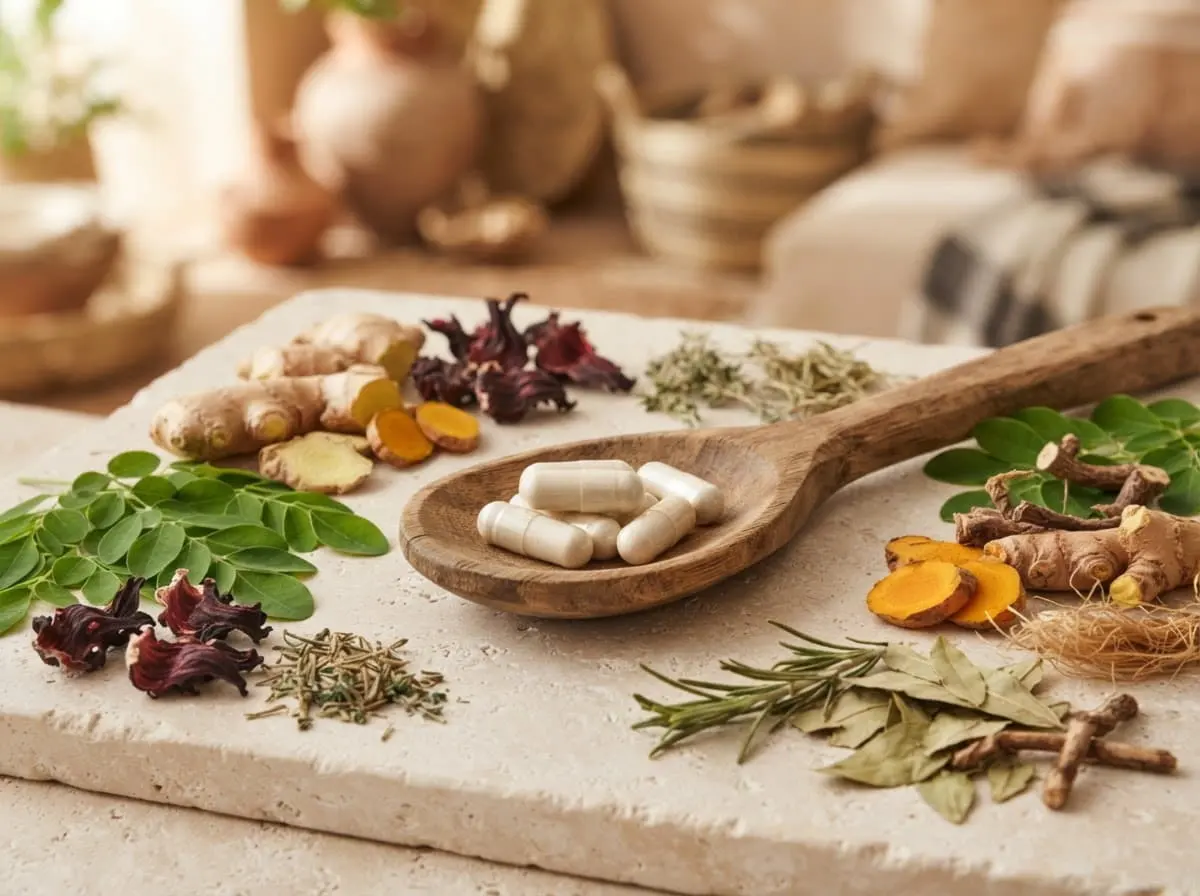
Ginger extract appears in digestive blends, joint formulas, circulation and cardiovascular-positioned complexes, and travel-sickness products. Capsule doses commonly run from 250 mg to 1 g of dried root equivalent per day.
Mild heartburn, belching, mouth irritation and occasional diarrhoea at higher intakes.
May be relevant with anticoagulant and antiplatelet medicines, and with medicines for blood pressure or blood glucose, because of possible additive effects.
Anyone on blood thinners, anyone with gallstones, and anyone pregnant should confirm an appropriate amount with a midwife, pharmacist or doctor.
Products documented in African markets whose supplier material names this ingredient.
Six-botanical herbal capsules for heart and circulation wellness, 20 per pack
Out of stock — see the review for the alternative
Read the review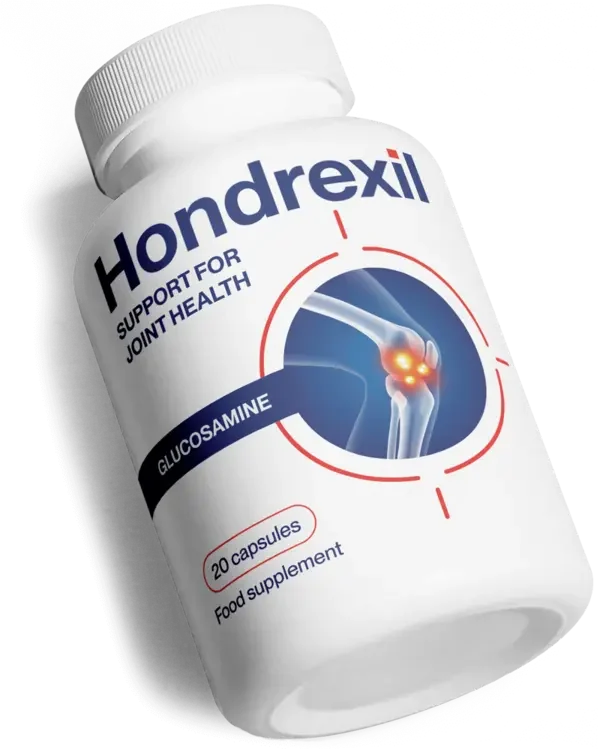
Glucosamine, chondroitin, turmeric and ginger in one joint capsule for Nigeria
₦48,900
Order pageFor everyday digestive comfort, tea is a lovely habit. Capsules add a measured daily amount that is easy to keep consistent, and the two combine well.
No. Ginger is a food supplement that accompanies your treatment rather than replacing it. Keep taking prescribed medicines and talk to your doctor before changing anything.
Medical disclaimer. BioMedic Africa publishes consumer health information and supplement research summaries. It is not a pharmacy, a clinic or a medicines regulator, and nothing here is a diagnosis, a prescription or a treatment plan. Dietary supplements are foods, not medicines: they are not intended to diagnose, treat, cure or prevent any disease. Speak with a pharmacist or a qualified healthcare professional before starting any supplement, especially if you are pregnant or breastfeeding, under 18, living with a long-term condition, or taking prescription medication.