
Kenya
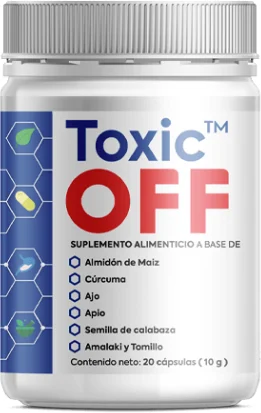
Toxic Off
One-a-day herbal capsule with wormwood, turmeric, gotu kola, amla and celery
KES 6,100
Order page
Botanical ingredient
Curcuma longa · Also known as Manjano (Swahili), Indian saffron
Turmeric is the golden rhizome behind curry powder and one of the most researched botanicals in the supplement aisle. Standardised extracts concentrate its curcuminoids far beyond kitchen levels, which is what gives a turmeric capsule its daily, measured contribution.
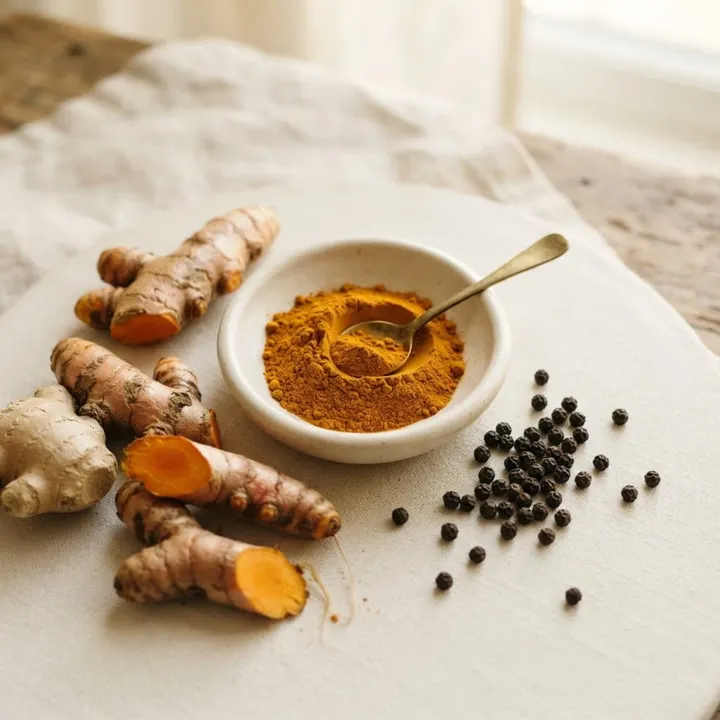
Turmeric is the underground stem of Curcuma longa, a ginger-family plant grown across South Asia and, increasingly, in East African highlands. Dried and milled, it gives curry its colour and a warm, slightly bitter flavour.
Its best-known constituents are the curcuminoids, a group of yellow pigments led by curcumin. A culinary teaspoon of turmeric powder contains only a small fraction of curcuminoids; supplement extracts are standardised, commonly to 95 % curcuminoids, which is a completely different dose scale.
Turmeric has a long history in South Asian cooking and traditional practice, and it travelled early to the Swahili coast through Indian Ocean trade. In East African kitchens it appears mainly as a spice rather than a remedy, and its supplement use is a more recent, import-led development.
Good to know. Supplements containing turmeric are food supplements, so their labels describe support for everyday wellbeing.
Turmeric and curcumin are among the most heavily studied plant materials in nutrition science, with thousands of indexed publications — a depth of interest few botanicals can match.
Human trials have looked at turmeric in areas such as joint comfort and recovery after exercise, which is why it has become a cornerstone of joint and active-lifestyle formulas.
Formulators pay close attention to absorption: curcumin is fat-soluble, so modern products pair it with black pepper extract or use delivery formats designed to help the body take it up.
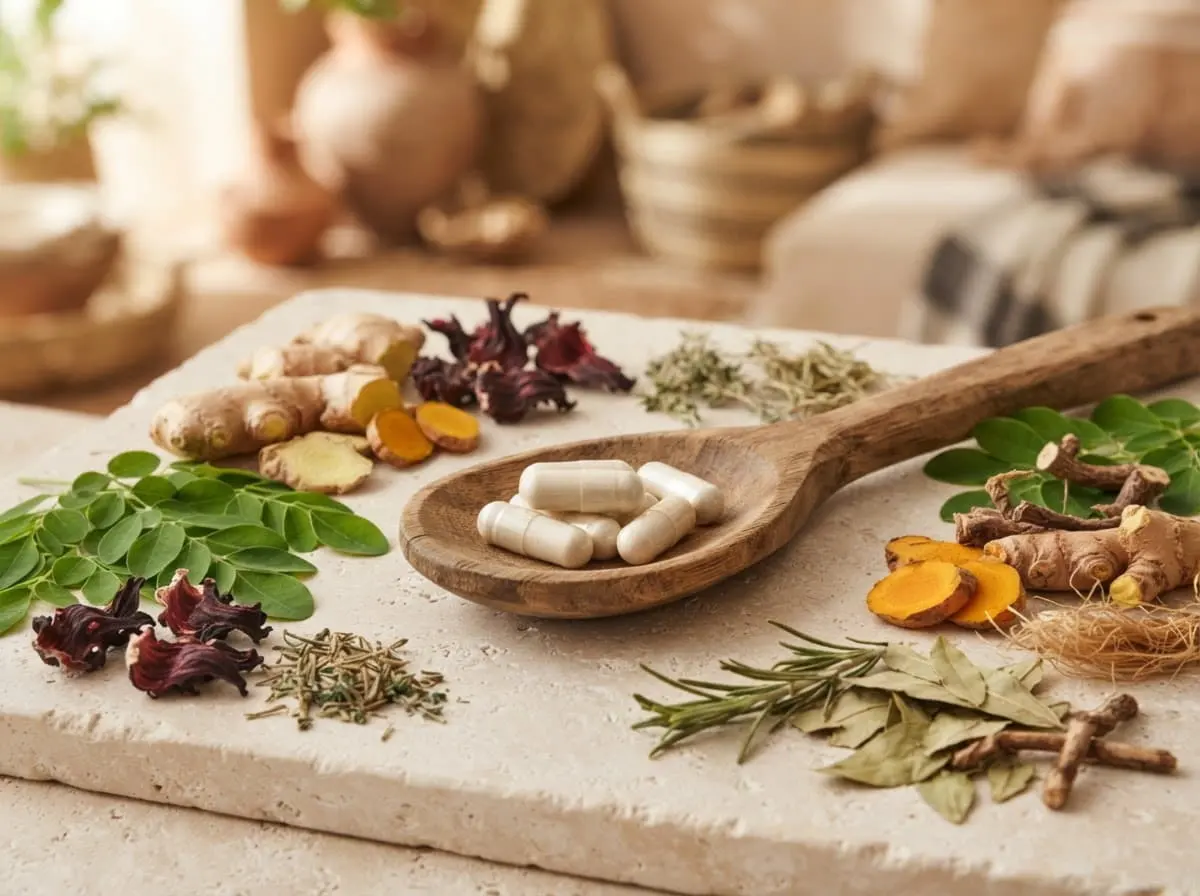
Turmeric appears in joint formulas, general wellness complexes and digestive blends. Labels may list whole turmeric powder, a standardised curcuminoid extract, or an absorption-enhanced form, each chosen to suit the formula it sits in.
Reported effects are usually mild and digestive — stomach upset, nausea or loose stools — and tend to appear at higher intakes. Rare liver reactions have been reported with concentrated supplements.
Turmeric extracts may be relevant if you take anticoagulant or antiplatelet medication, diabetes medication, or medicines processed by the liver. Discuss it with a pharmacist before combining.
Anyone taking blood-thinning medication, anyone with gallstones or bile duct problems, people scheduled for surgery, and anyone who is pregnant or breastfeeding should ask a healthcare professional before using concentrated turmeric.
Products documented in African markets whose supplier material names this ingredient.
One-a-day herbal capsule with wormwood, turmeric, gotu kola, amla and celery
KES 6,100
Order page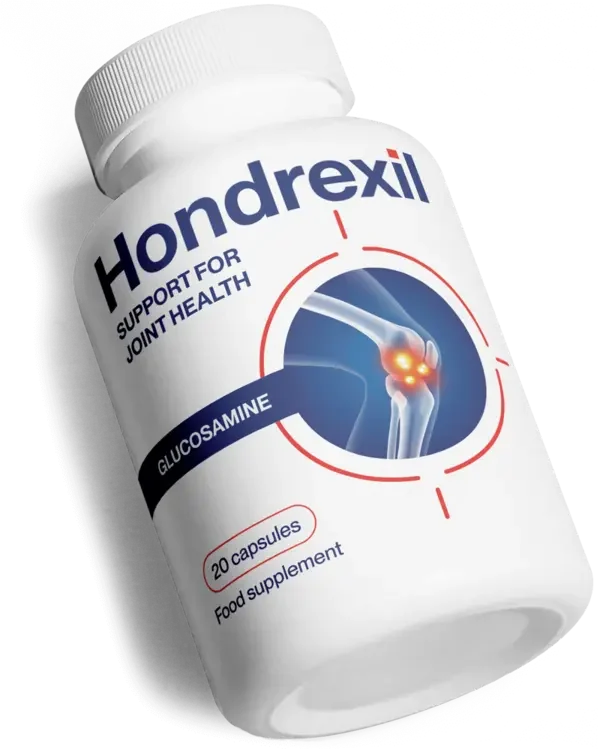
Glucosamine, chondroitin, turmeric and ginger in one joint capsule for Nigeria
₦48,900
Order page One herbal capsule a day with wormwood, turmeric, gotu kola, amla and celery
TZS 91,900
Order page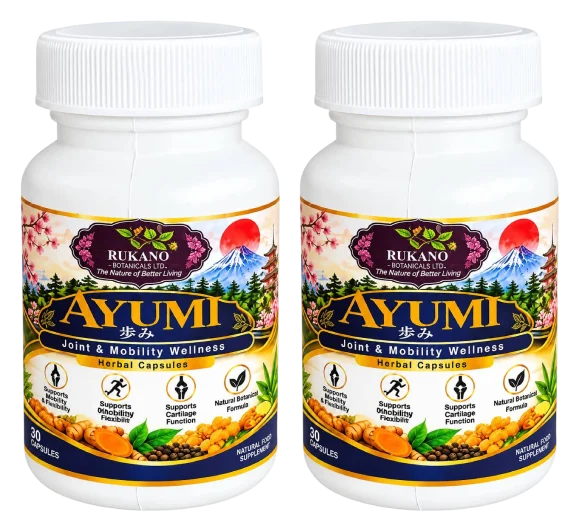
Turmeric, boswellia, black pepper and devil’s claw capsules for joints and mobility
KES 6,480
Order pageTurmeric is the whole root; curcumin is the group of golden compounds inside it. Whole turmeric powder contains a few per cent curcuminoids, while a standardised curcumin extract may be over 90 %.
Piperine from black pepper is often added because it helps the body absorb curcumin. Other delivery formats aim at the same goal in different ways.
Cooking with turmeric is a great habit, and a capsule adds a measured daily amount on top of it. The two work well side by side.
Medical disclaimer. BioMedic Africa publishes consumer health information and supplement research summaries. It is not a pharmacy, a clinic or a medicines regulator, and nothing here is a diagnosis, a prescription or a treatment plan. Dietary supplements are foods, not medicines: they are not intended to diagnose, treat, cure or prevent any disease. Speak with a pharmacist or a qualified healthcare professional before starting any supplement, especially if you are pregnant or breastfeeding, under 18, living with a long-term condition, or taking prescription medication.