
Kenya
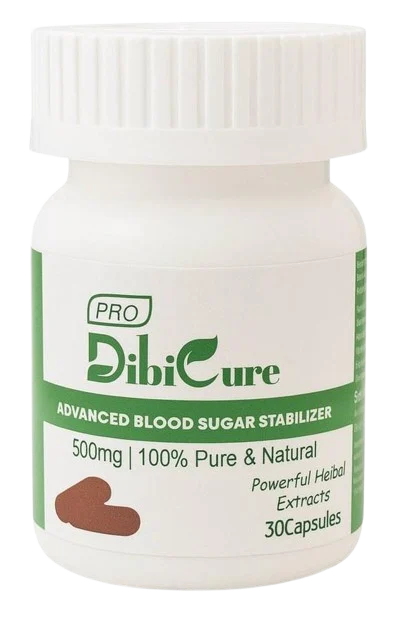
DibiCure
Konjac fibre, Indian barberry and chromium capsules for glucose metabolism
KES 6,750
Order page
Botanical ingredient
Camellia sinensis · Also known as Camellia sinensis extract, EGCG
Green tea extract concentrates the catechins of many brewed cups into a single capsule. That concentration is the reason it is a favourite in weight-management and metabolic formulas, taken at the amount on the label.

Green tea is unfermented Camellia sinensis leaf. Kenya is one of the world’s largest tea producers, and green tea processing has expanded alongside its traditional black tea industry.
The catechin fraction, dominated by EGCG, is what supplement extracts concentrate. A capsule may contain the catechin load of several cups.
Tea drinking is deeply established in East Africa, though black tea with milk remains the dominant form. Green tea extract is a modern supplement ingredient rather than a traditional preparation.
Good to know. Supplements containing green tea extract are food supplements, so their labels describe support for everyday wellbeing.
Meta-analyses of green tea catechins have looked at body weight and metabolic markers, and they are a well-established part of weight-management formulas alongside diet and activity.
Population studies link regular tea drinking with heart wellbeing, and green tea extract brings the same leaf in a convenient daily form.

Green tea extract appears in weight-management, metabolic support and antioxidant complexes, standardised to a percentage of catechins or EGCG.
Nausea and stomach discomfort on an empty stomach, and caffeine-related restlessness or sleep disruption.
Caffeine content interacts with stimulants. Green tea may also affect the absorption of iron and of some medicines, including certain beta-blockers and statins.
People with liver conditions, people sensitive to caffeine, people with iron-deficiency anaemia, and anyone pregnant.

Products documented in African markets whose supplier material names this ingredient.
Konjac fibre, Indian barberry and chromium capsules for glucose metabolism
KES 6,750
Order page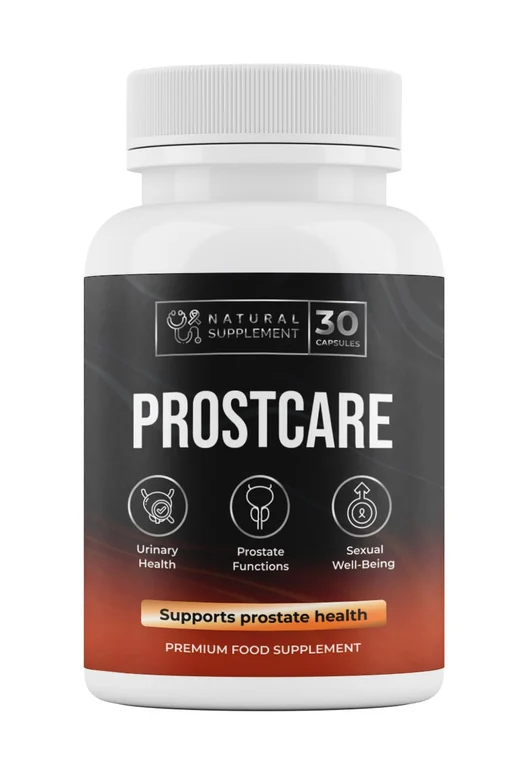
Saw palmetto, lycopene, green tea and turmeric capsules for men’s urinary comfort
KES 4,999
Order page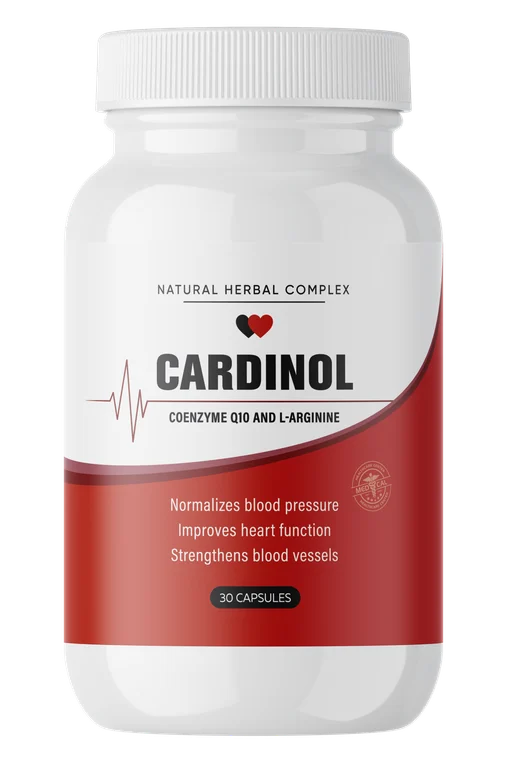
Seven-ingredient heart and circulation capsules with olive leaf and hawthorn
GHS 499
Order pageIt depends entirely on the extract. A 500 mg extract standardised to 50 % EGCG contains roughly what several brewed cups would deliver, but you should read the specific label.
Green tea catechins are a popular supporting ingredient in weight-management formulas. They work best as part of a package with balanced meals and regular activity such as daily walking.
Medical disclaimer. BioMedic Africa publishes consumer health information and supplement research summaries. It is not a pharmacy, a clinic or a medicines regulator, and nothing here is a diagnosis, a prescription or a treatment plan. Dietary supplements are foods, not medicines: they are not intended to diagnose, treat, cure or prevent any disease. Speak with a pharmacist or a qualified healthcare professional before starting any supplement, especially if you are pregnant or breastfeeding, under 18, living with a long-term condition, or taking prescription medication.