
Kenya
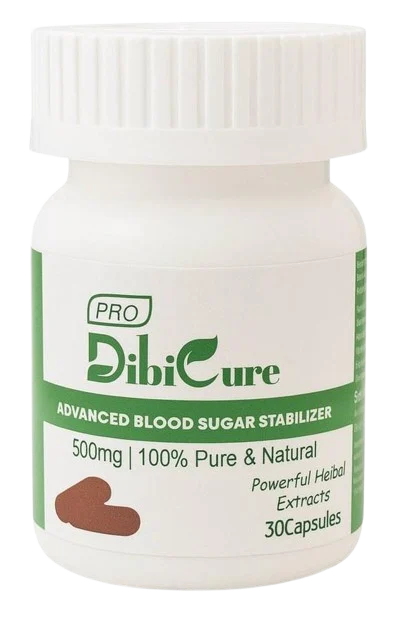
DibiCure
Konjac fibre, Indian barberry and chromium capsules for glucose metabolism
KES 6,750
Order page
Health topic
Type 2 diabetes is one of the fastest-growing health concerns on the continent, and more people are looking after their glucose every day. This page covers the diet and activity habits that matter most, the ingredients in glucose-support formulas, and how to use one safely alongside your treatment.

Blood glucose is regulated by insulin, and type 2 diabetes develops when tissues respond poorly to insulin and the pancreas cannot compensate. Urbanisation, refined-carbohydrate diets and reduced physical activity have driven a rapid rise across African cities.
Diagnosis matters: many people live for years with raised glucose before symptoms appear, and complications develop silently during that time.
Diet composition, physical activity, weight and prescribed medication are the levers that meaningfully change glucose. Glucose-support formulas built on cinnamon, fenugreek, chromium and magnesium accompany these levers as a daily habit — never as a substitute for treatment.
Classic symptoms of high blood glucose. They warrant a test rather than a supplement.
Can indicate significant hyperglycaemia and needs prompt medical review.
Common presentations of undiagnosed diabetes.
Suggests nerve involvement and requires medical assessment and foot care advice.
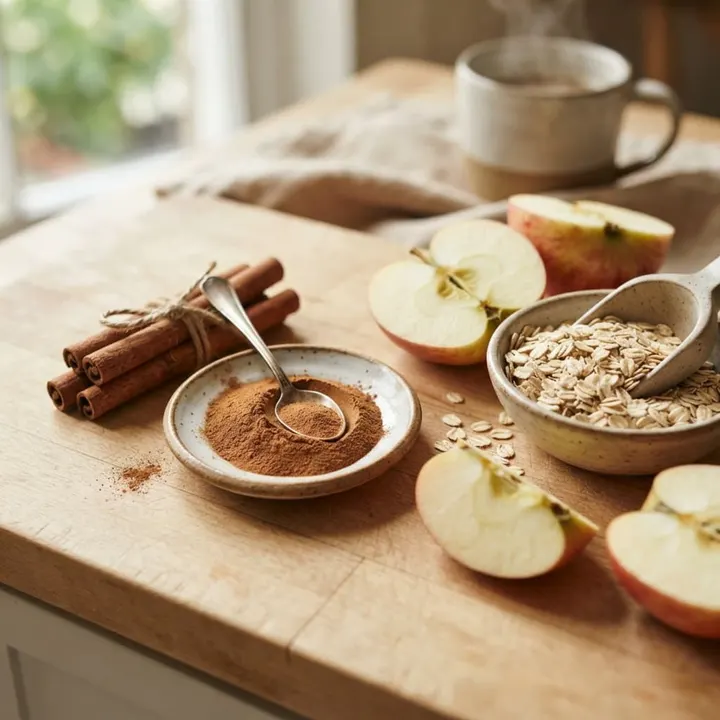
Whole grains, legumes and vegetables produce a slower glucose rise than refined maize meal, white rice and sugary drinks. In many African diets this is the single largest lever.
Muscle takes up glucose independently of insulin during activity. Even walking after meals has a measurable effect.
Even gradual weight loss improves insulin sensitivity in people with excess weight.
Both influence glucose regulation, and both are frequently overlooked.
Chromium, magnesium and vitamin D have all been studied in relation to glucose regulation. Magnesium status is associated with insulin sensitivity, and topping up a low intake is sensible. Chromium contributes to the maintenance of normal blood glucose levels, which is why it appears in many glucose formulas.
Ingredients that appear in products aimed at this topic. Each page explains what the ingredient is, how it is traditionally used and which products contain it.
Cinnamon is a much-loved warming spice and a classic ingredient in blood-sugar support formulas.
BotanicalFenugreek is a kitchen spice, a traditional support for nursing mothers and a modern men’s-supplement ingredient all at once.
MineralMagnesium is an essential mineral involved in hundreds of enzyme reactions, and one of the nutrients most people under-consume.
BotanicalGreen tea extract concentrates the catechins of many brewed cups into a single capsule.
BotanicalIrvingia gabonensis is a West and Central African forest tree whose seed was a kitchen staple long before it became a supplement.
BotanicalMoringa is the most important home-grown supplement ingredient in Africa.
BotanicalGinger is one of the few botanicals that is both an everyday African kitchen staple and a genuinely well-studied supplement ingredient.

See a doctor about any of the following before starting a supplement:
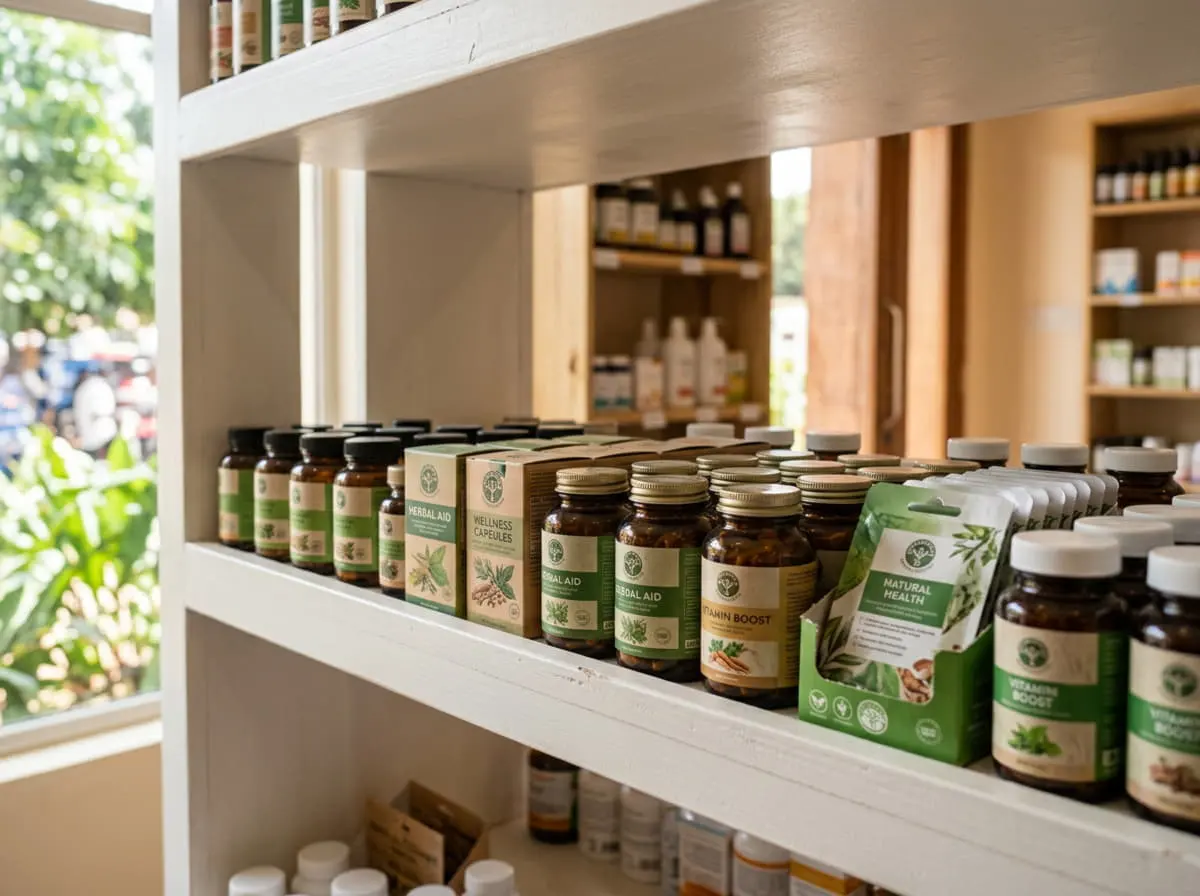
Glucose-support formulas combine familiar botanicals such as cinnamon and fenugreek with minerals and fibre, as a daily habit alongside diet and activity.
Herbal supplements bring Africa’s traditional plant heritage into a measured, convenient daily form.
Minerals are inorganic elements the body needs in defined amounts, and their supplements are judged on one number the front of the pack rarely shows: elemental content.
Products sold in African markets positioned around this topic, each with its price, format and delivery terms.
Konjac fibre, Indian barberry and chromium capsules for glucose metabolism
KES 6,750
Order page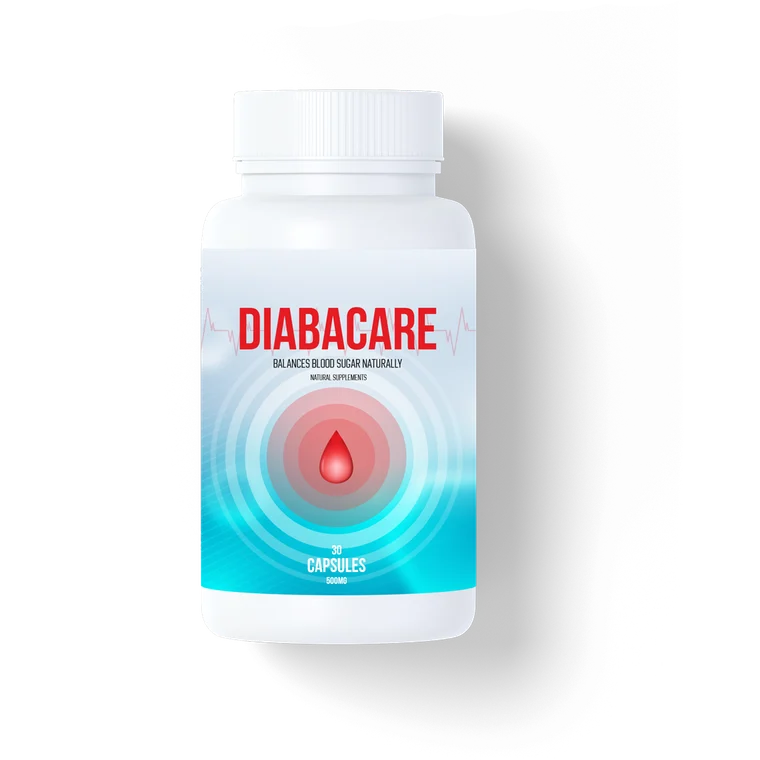
Six-herb capsules for healthy blood sugar balance, 30 × 500 mg per pack
R649
Order page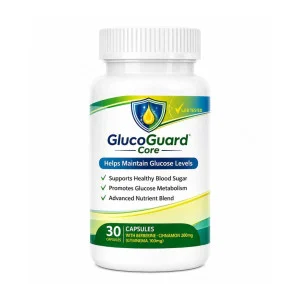
Daily blood sugar support capsules, now at half the stated regular price
KES 6,750
Order page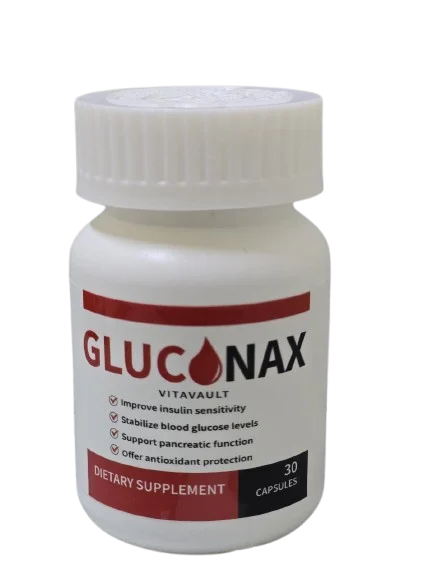
Gymnema, mulberry leaf and chromium in one daily capsule for balanced eating
KES 6,600
Order page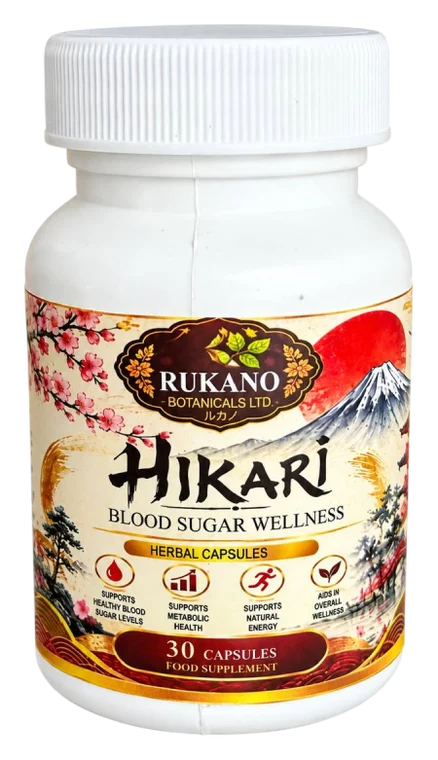
No. A blood sugar supplement is a food supplement that accompanies your treatment. Keep taking metformin as prescribed, and tell your doctor about the formula you add.
Cinnamon is a familiar spice with a long tradition of use around meals, and one of the most common botanicals in glucose-support formulas. Ceylon cinnamon is the gentler choice for daily use.
This page summarises public health information. These are the bodies it draws on — go to them directly if you want the full text rather than our summary.
Medical disclaimer. BioMedic Africa publishes consumer health information and supplement research summaries. It is not a pharmacy, a clinic or a medicines regulator, and nothing here is a diagnosis, a prescription or a treatment plan. Dietary supplements are foods, not medicines: they are not intended to diagnose, treat, cure or prevent any disease. Speak with a pharmacist or a qualified healthcare professional before starting any supplement, especially if you are pregnant or breastfeeding, under 18, living with a long-term condition, or taking prescription medication.