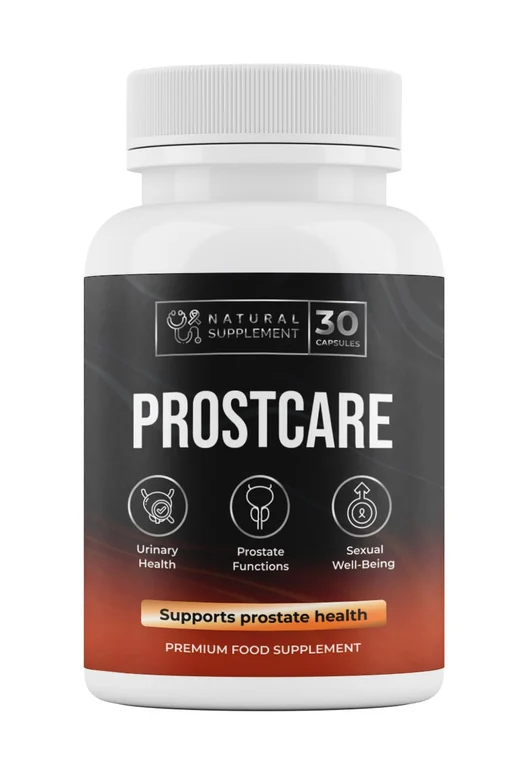
Kenya
Prostcare
Saw palmetto, lycopene, green tea and turmeric capsules for men’s urinary comfort
KES 4,999
Order page
Categories · Top-rated · Pay on delivery
111 products sorted by what they are for, with the advertised price in local currency on every card and 77 of them orderable today with payment on delivery. Looking for one country instead? The full catalogue is grouped by market.
Men’s formulas bring together the best-known vitality botanicals with the minerals men need every day. What to check before buying men’s health supplements
Saw palmetto, lycopene, green tea and turmeric capsules for men’s urinary comfort
KES 4,999
Order page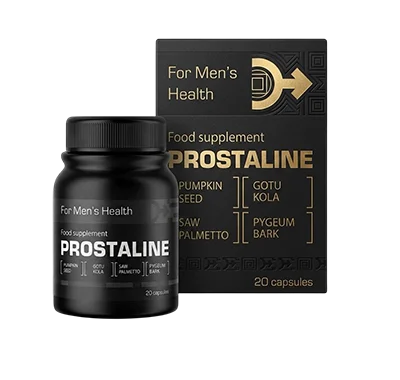
Men’s prostate and urinary comfort capsules with sharpleaf galangal
KES 6,600
Order page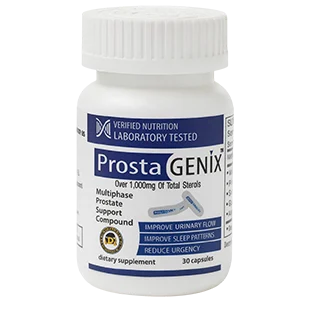
Sharpleaf galangal capsules for prostate function and men’s urinary comfort
KES 6,750
Order page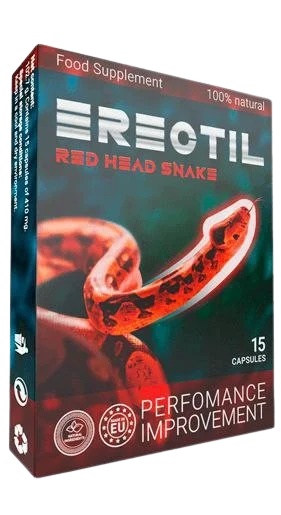
Maca, fenugreek, ginseng, tongkat ali and epimedium capsules for men’s vitality
KES 5,900
Order page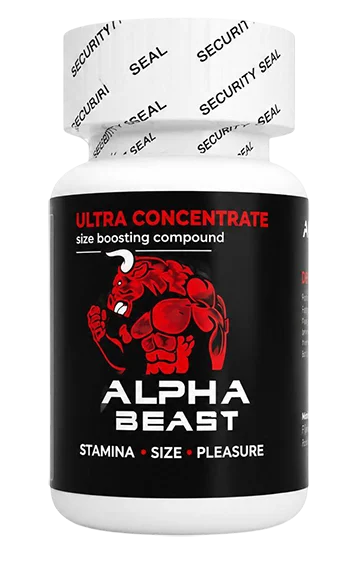
Men’s stamina and vitality tablets, taken as a course, pay on delivery in Kenya
KES 6,500
Order page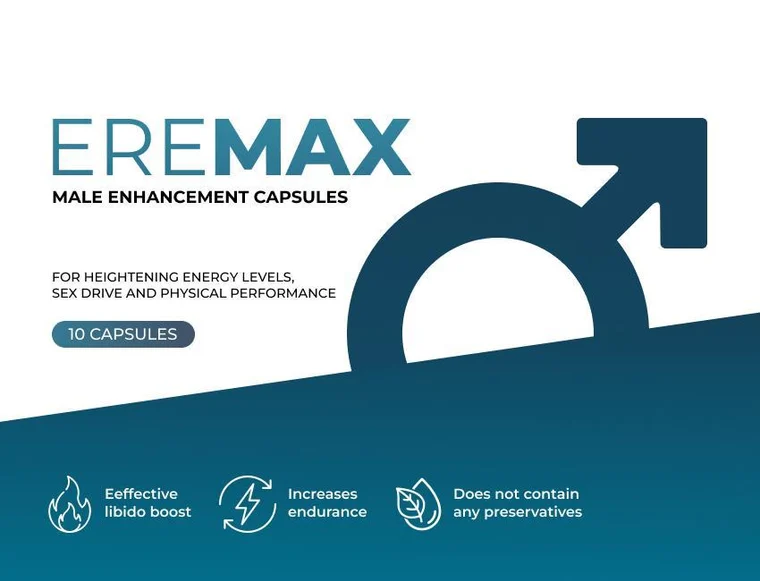
Men’s vitality capsules with a fixed cedi price and pay on delivery in Ghana
GHS 699
Order page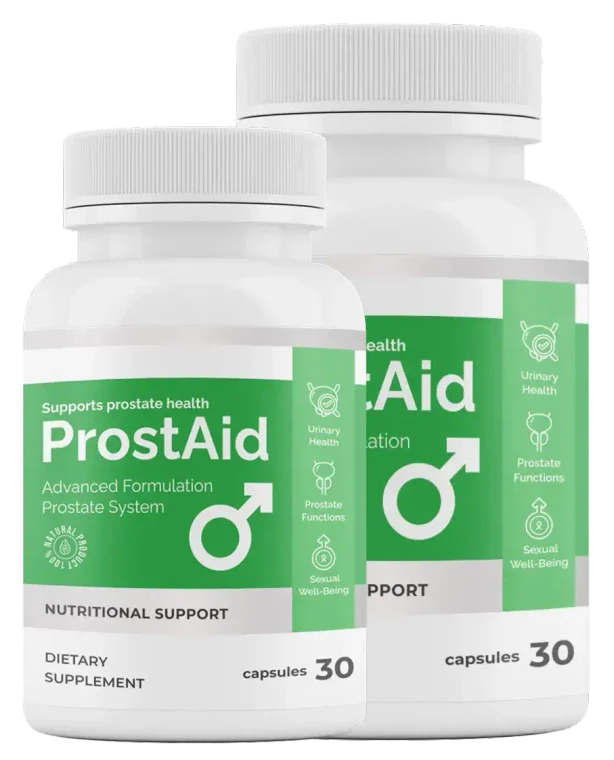
Prostate and urinary comfort capsules with zinc, selenium and vitamins
TZS 89,900
Order page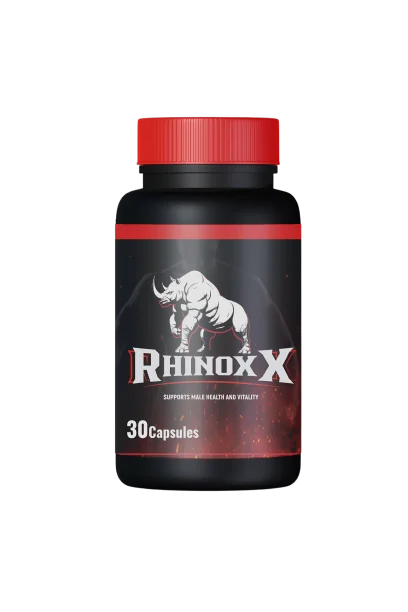
Men’s capsules for prostate comfort and everyday vitality, 30 per bottle
R649
Order page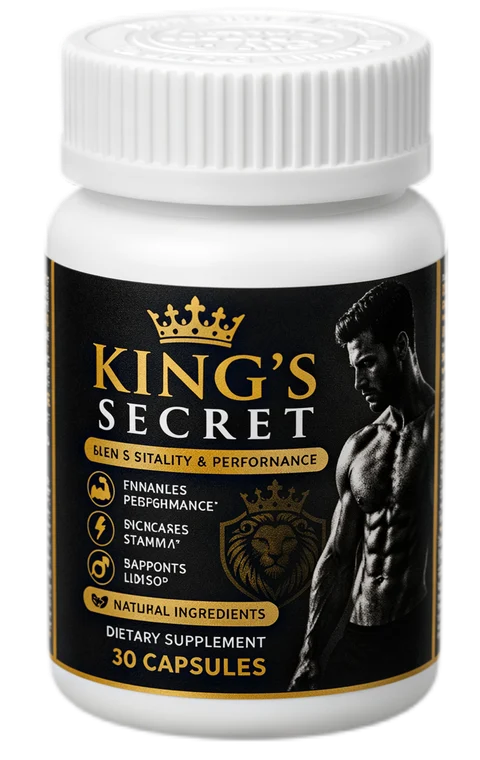
30 capsules for men’s vitality, stamina and everyday confidence
KES 6,750
Order page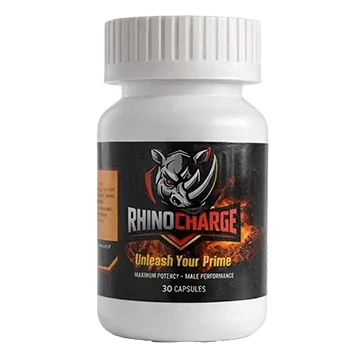
One capsule a day for prostate comfort and men’s wellbeing, two-month course
KES 6,750
Order page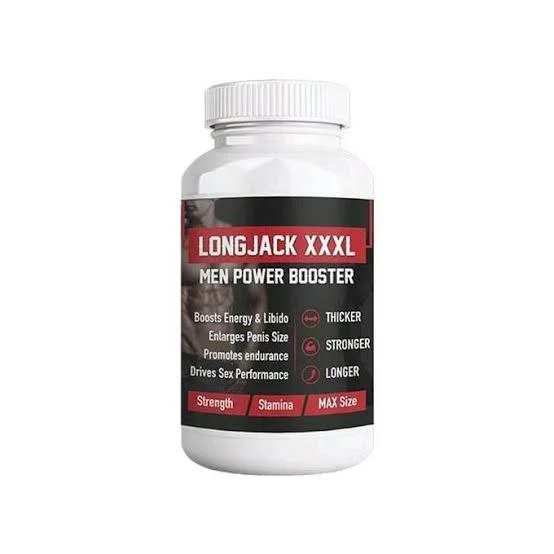
Herbal men’s capsules for stamina and confidence at an easy entry price
UGX 17,500
Order page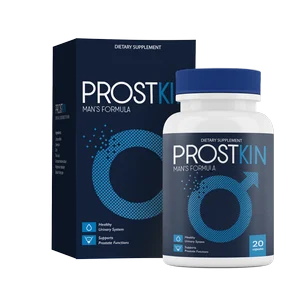
20 capsules for a healthy urinary system and prostate function
RWF 50,500
Order page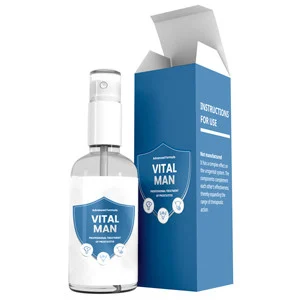
Botanical capsules with sharpleaf galangal for men’s prostate and urinary comfort
TZS 130,000
Order page Men’s vitality tablets for stamina, energy and confidence after 35
TZS 135,000
Order page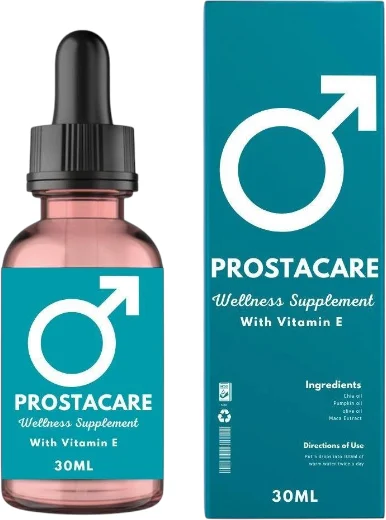
Men’s wellness drops with pumpkin seed oil, garlic oil and vitamin E in a 30 ml bottle
KES 6,900
Order page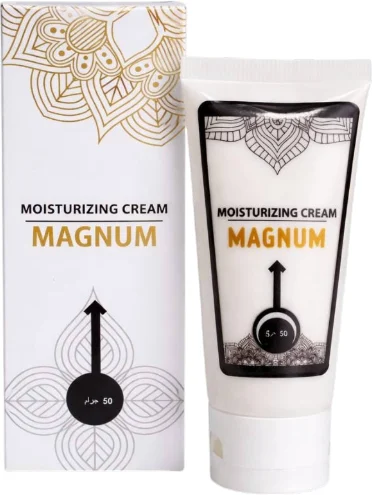
Men’s intimate moisturising cream with shea butter, jojoba, ginkgo and arnica
KES 6,900
Order page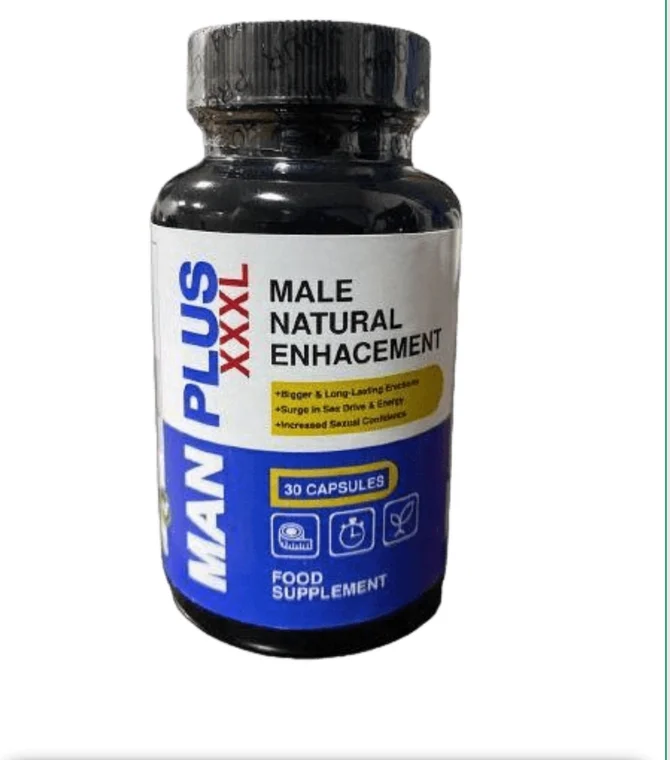
Men’s capsules for stamina, endurance and everyday energy — one bottle a month
KES 6,600
Order page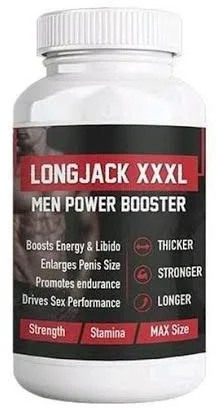
Men’s power-booster capsules for energy, endurance and confidence in Kenya
KES 6,600
Order page
Men’s performance capsules for energy and confidence — 15 per box, Uganda
UGX 172,000
Order page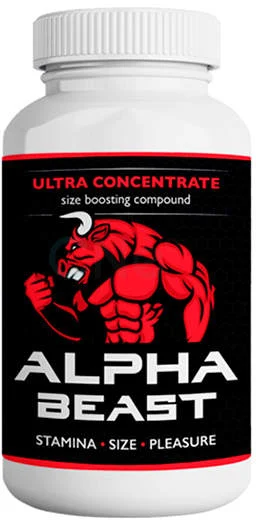
Ultra-concentrate men’s supplement for stamina, energy and confidence in Uganda
UGX 192,000
Order page
Men’s capsules for prostate comfort and vitality, delivered to every region of Nigeria
₦49,000
Order page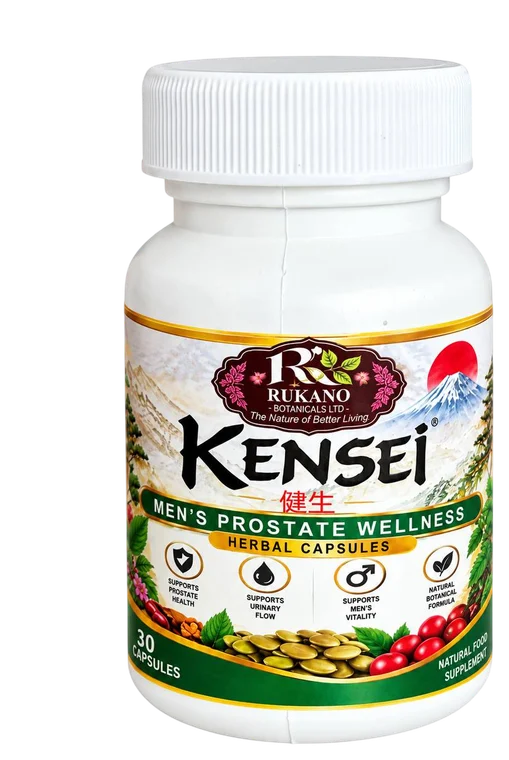
Saw palmetto, pumpkin seed and pygeum capsules for men’s prostate wellness
KES 6,480
Order page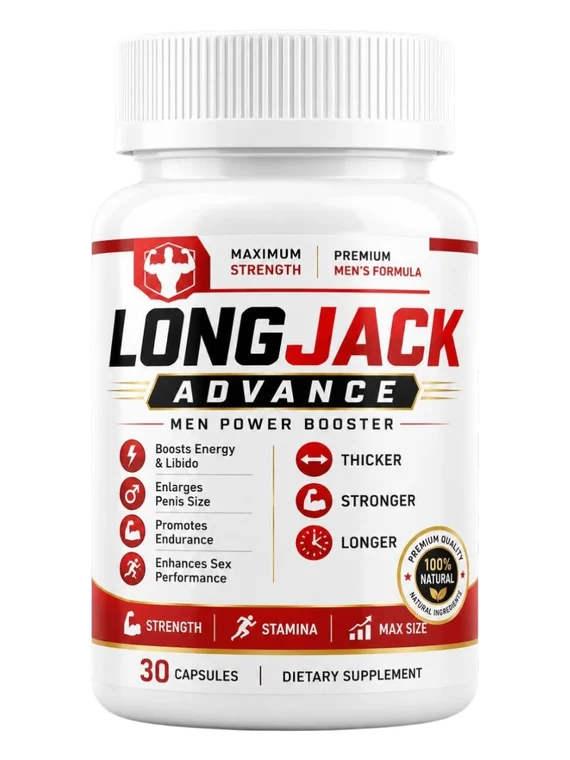
Men’s vitality capsules named after tongkat ali, 30 per pack
KES 6,600
Order page Men’s vitality capsules named after tongkat ali, 30 per pack
UGX 185,000
Order page Men’s vitality capsules named after tongkat ali, 30 per pack
TZS 135,000
Order page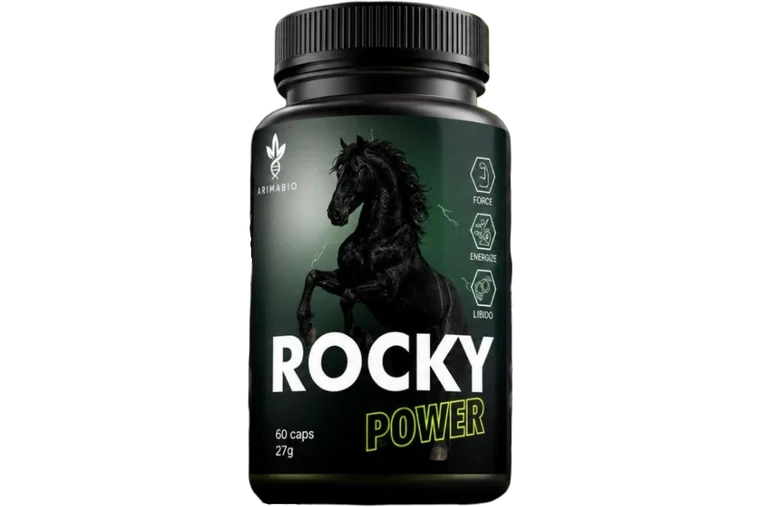
Men’s vitality capsules in a 60-capsule pack for steady day-to-day use
KES 6,600
Order page Men’s vitality capsules in a 60-capsule pack for steady day-to-day use
UGX 185,000
Order page Men’s vitality capsules in a 60-capsule pack for steady day-to-day use
TZS 135,000
Order page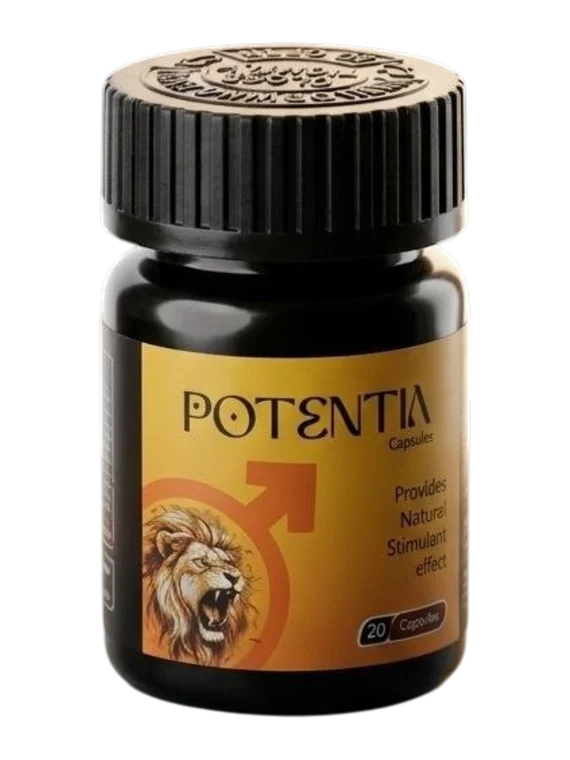
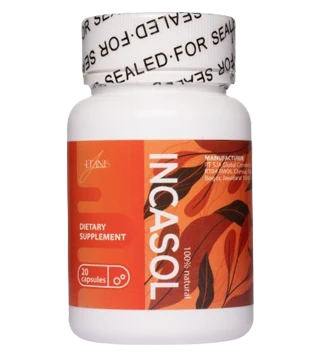
Men’s vitality capsules in a 20-capsule pack, delivered in Nigeria
₦49,000
Order pageHerbal supplements bring Africa’s traditional plant heritage into a measured, convenient daily form. What to check before buying herbal supplements
Six-botanical herbal capsules for heart and circulation wellness, 20 per pack
Out of stock — see the review for the alternative
Read the review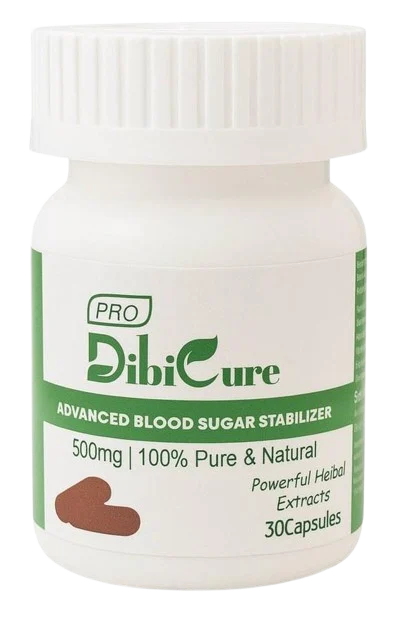
Konjac fibre, Indian barberry and chromium capsules for glucose metabolism
KES 6,750
Order page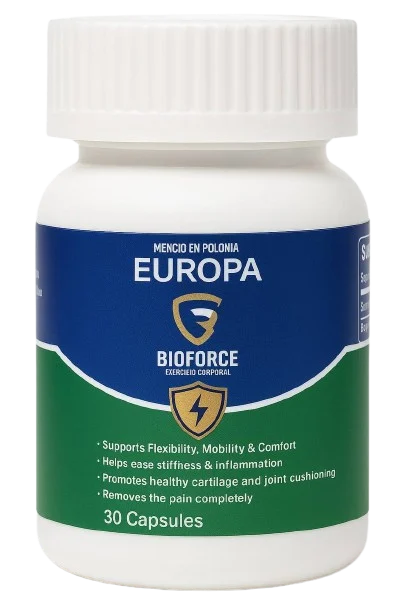
Six-ingredient joint capsules with glucosamine, chondroitin and boswellia for over-40s
KES 6,750
Order page
Plant-based capsules for back and joint comfort at an accessible price
KES 4,999
Order page Maca, fenugreek, ginseng, tongkat ali and epimedium capsules for men’s vitality
KES 5,900
Order page Men’s stamina and vitality tablets, taken as a course, pay on delivery in Kenya
KES 6,500
Order page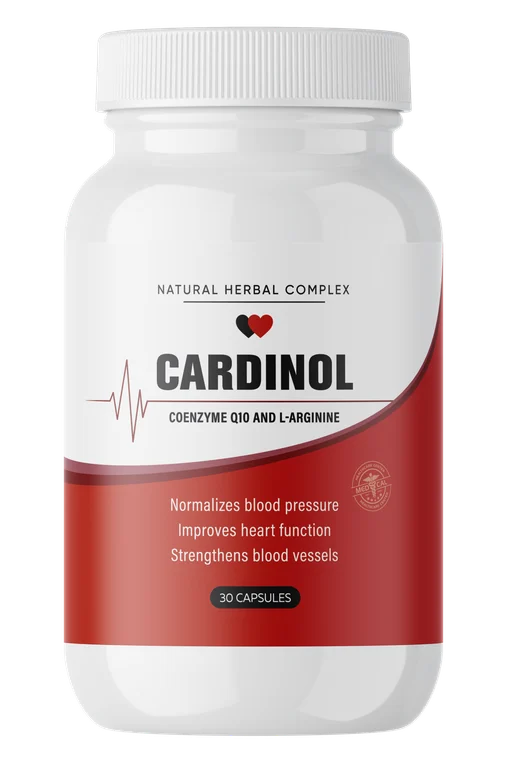
Seven-ingredient heart and circulation capsules with olive leaf and hawthorn
GHS 499
Order page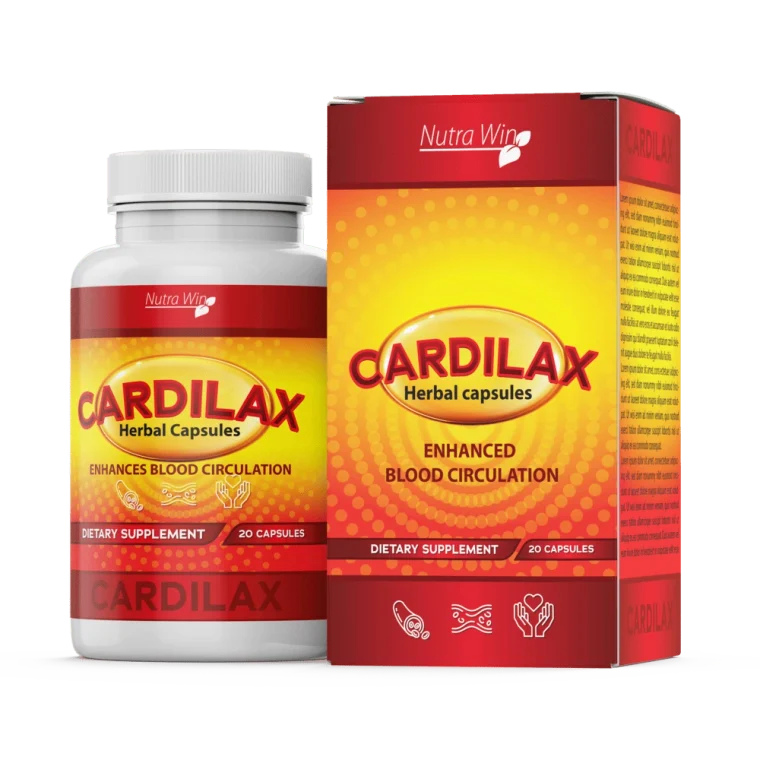
Men’s vitality capsules with a fixed cedi price and pay on delivery in Ghana
GHS 699
Order page
African mango, vitamin D, CoQ10 and red yeast rice capsules for heart wellbeing
₦59,000
Order page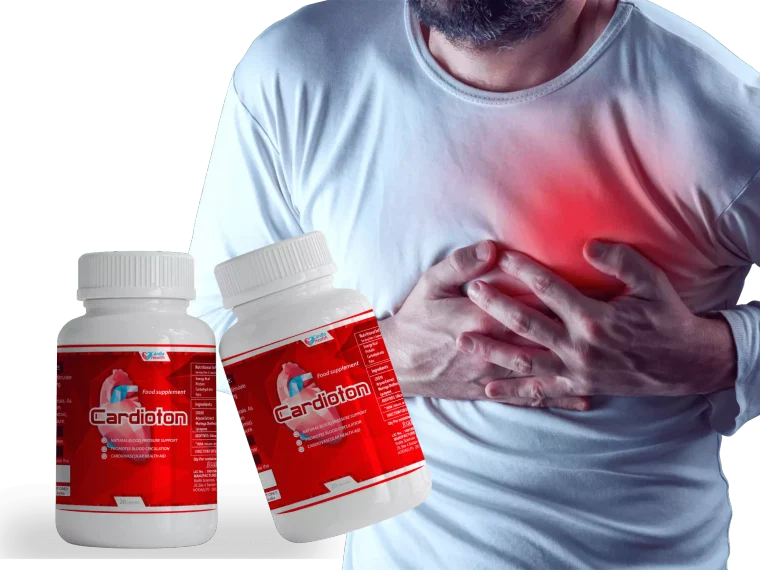
Daily capsules for blood vessel and circulation wellbeing, pay on delivery in Tanzania
TZS 89,990
Order page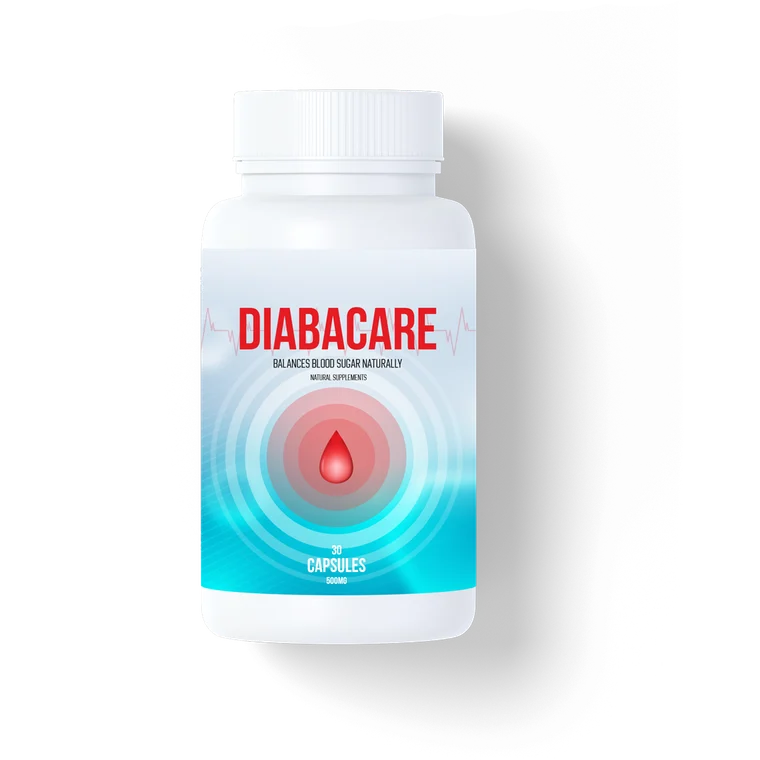
Six-herb capsules for healthy blood sugar balance, 30 × 500 mg per pack
R649
Order page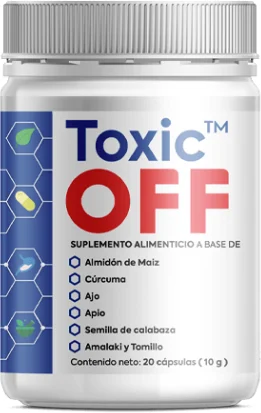
One-a-day herbal capsule with wormwood, turmeric, gotu kola, amla and celery
KES 6,100
Order page One herbal capsule a day with wormwood, turmeric, gotu kola, amla and celery
TZS 91,900
Order page Saw palmetto, pumpkin seed and pygeum capsules for men’s prostate wellness
KES 6,480
Order page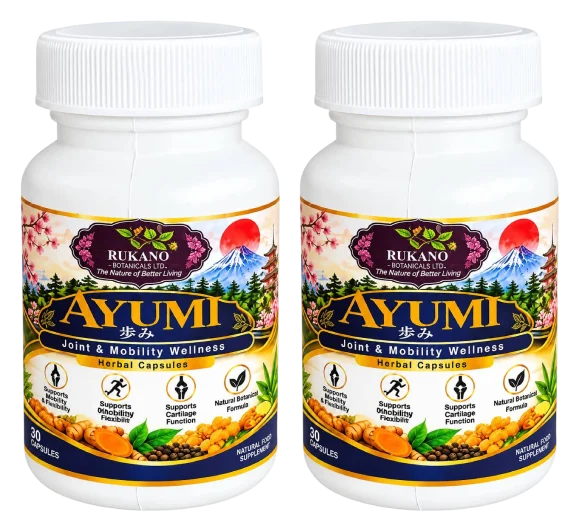
Turmeric, boswellia, black pepper and devil’s claw capsules for joints and mobility
KES 6,480
Order page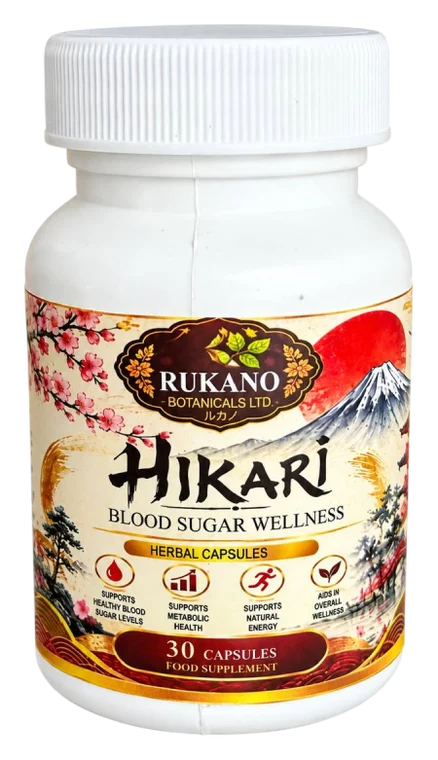
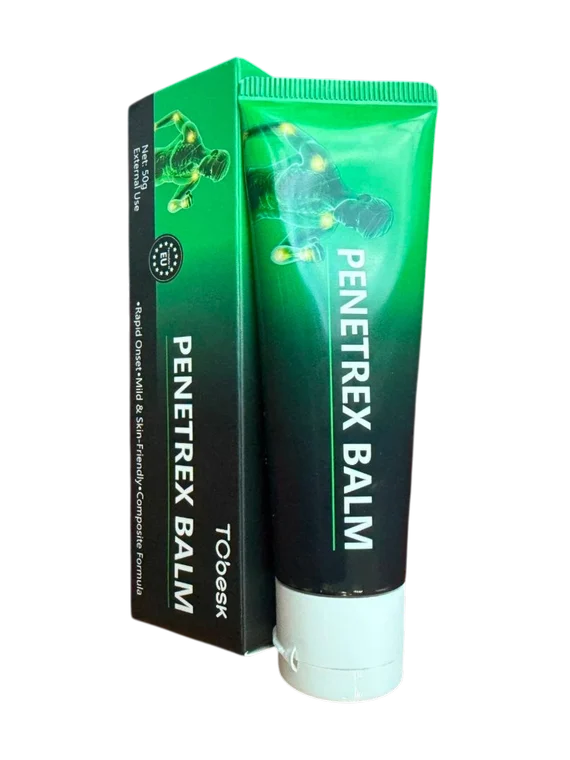
Cooling menthol and eucalyptus balm for tired, heavy legs, in a handy tube
KES 5,990
Order page
Joint supplements are the largest single category on the African supplement shelf. What to check before buying joint supplements
Six-ingredient joint capsules with glucosamine, chondroitin and boswellia for over-40s
KES 6,750
Order page Plant-based capsules for back and joint comfort at an accessible price
KES 4,999
Order page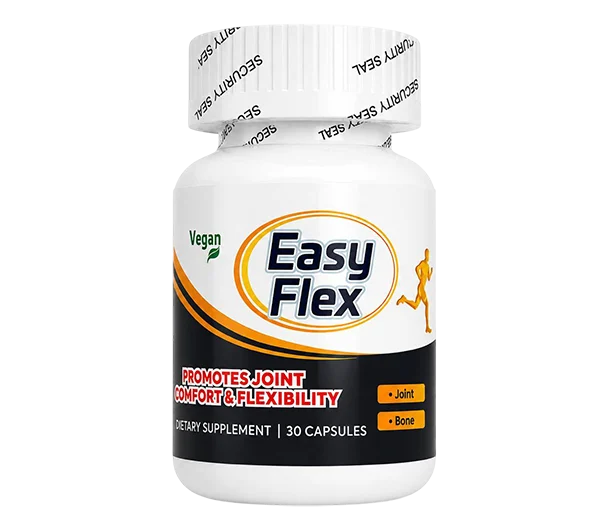
Collagen, glucosamine and chondroitin tablets — the classic joint trio
KES 6,500
Order page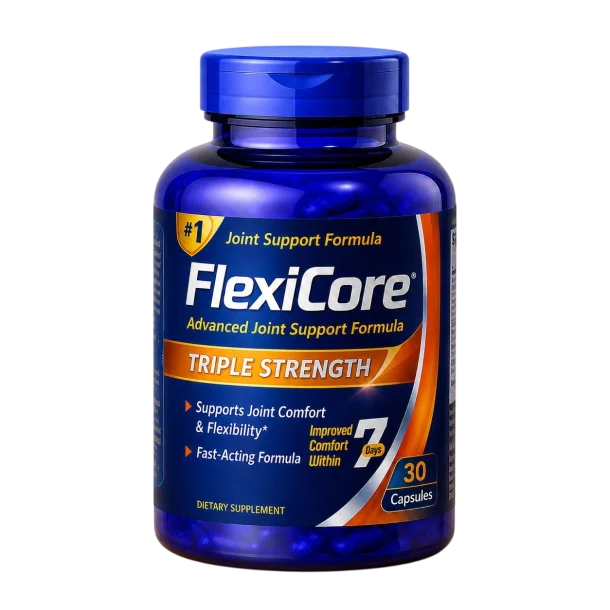
Collagen II, glucosamine, chondroitin and hyaluronic acid in one daily joint capsule
₦49,000
Order page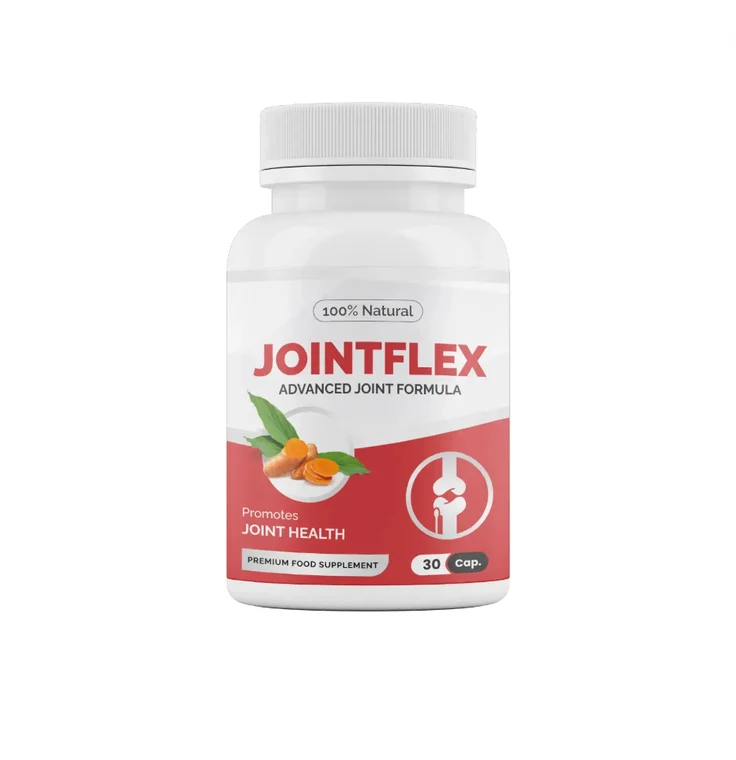
30 capsules of a natural joint formula for comfort and everyday mobility
TZS 89,900
Order page
A joint-care formula in a jar for everyday mobility, delivered across Rwanda
RWF 50,500
Order page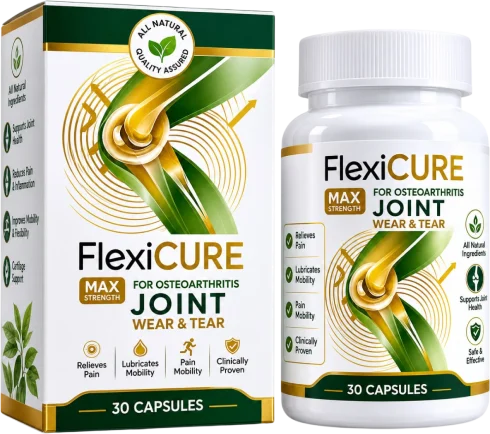
Collagen II, glucosamine, chondroitin and hyaluronic acid in one daily joint capsule
TZS 130,000
Order page Collagen II, glucosamine and chondroitin tablets for joint comfort after 40
TZS 135,000
Order page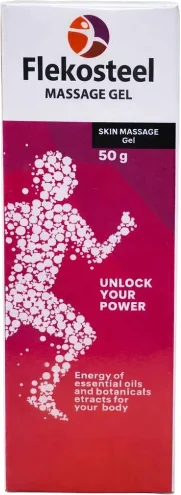
Cooling massage gel with menthol, camphor, thyme and eucalyptus for joints and muscles
KES 6,900
Order page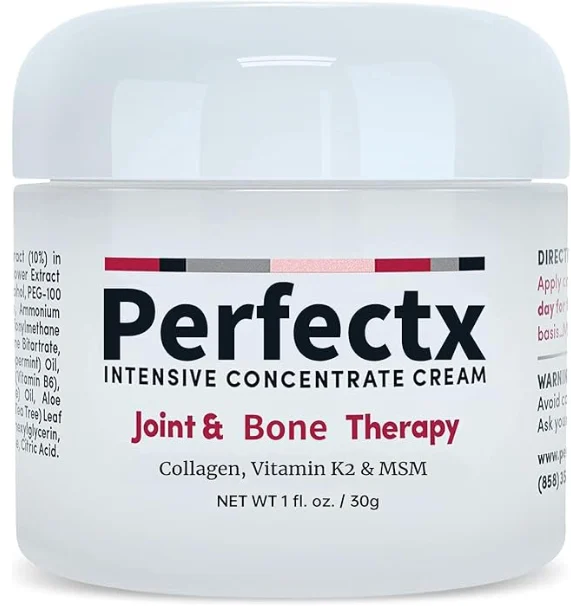
Joint and bone care cream with collagen, chondroitin, vitamin K2 and MSM
KES 5,500
Order page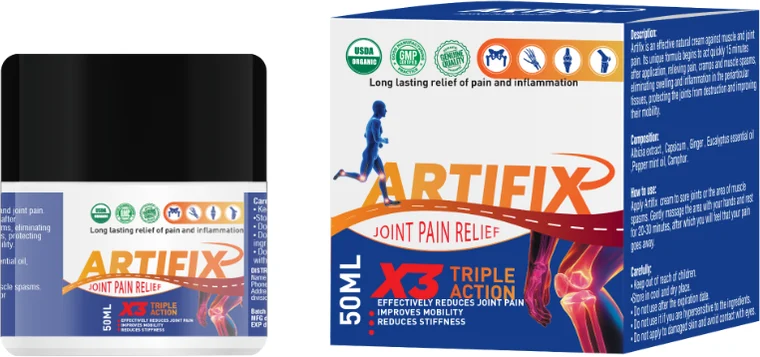
Joint-care cream for daily massage, 50 ml, delivered across Uganda
UGX 169,000
Order page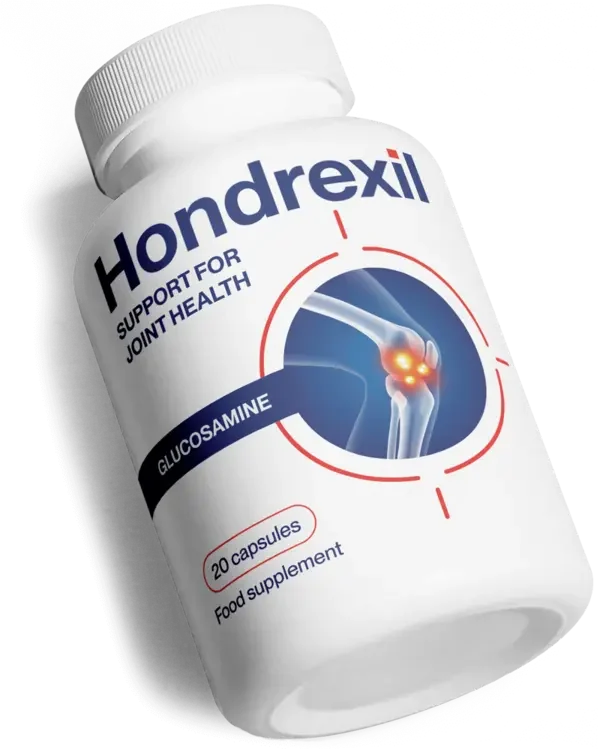
Glucosamine, chondroitin, turmeric and ginger in one joint capsule for Nigeria
₦48,900
Order page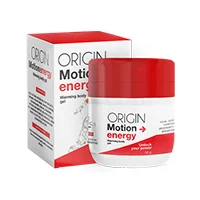
A warming body gel for muscles and joints after work, sport or a long day on your feet
TZS 91,900
Order page Turmeric, boswellia, black pepper and devil’s claw capsules for joints and mobility
KES 6,480
Order pageProstate formulas are built around a trusted set of ingredients led by saw palmetto, the best-known plant in men’s prostate-comfort formulas, used for generations. What to check before buying prostate supplements
Saw palmetto, lycopene, green tea and turmeric capsules for men’s urinary comfort
KES 4,999
Order page Men’s prostate and urinary comfort capsules with sharpleaf galangal
KES 6,600
Order page Sharpleaf galangal capsules for prostate function and men’s urinary comfort
KES 6,750
Order page Prostate and urinary comfort capsules with zinc, selenium and vitamins
TZS 89,900
Order page Men’s capsules for prostate comfort and everyday vitality, 30 per bottle
R649
Order page One capsule a day for prostate comfort and men’s wellbeing, two-month course
KES 6,750
Order page 20 capsules for a healthy urinary system and prostate function
RWF 50,500
Order page Botanical capsules with sharpleaf galangal for men’s prostate and urinary comfort
TZS 130,000
Order page Men’s wellness drops with pumpkin seed oil, garlic oil and vitamin E in a 30 ml bottle
KES 6,900
Order page Men’s capsules for prostate comfort and vitality, delivered to every region of Nigeria
₦49,000
Order page Saw palmetto, pumpkin seed and pygeum capsules for men’s prostate wellness
KES 6,480
Order page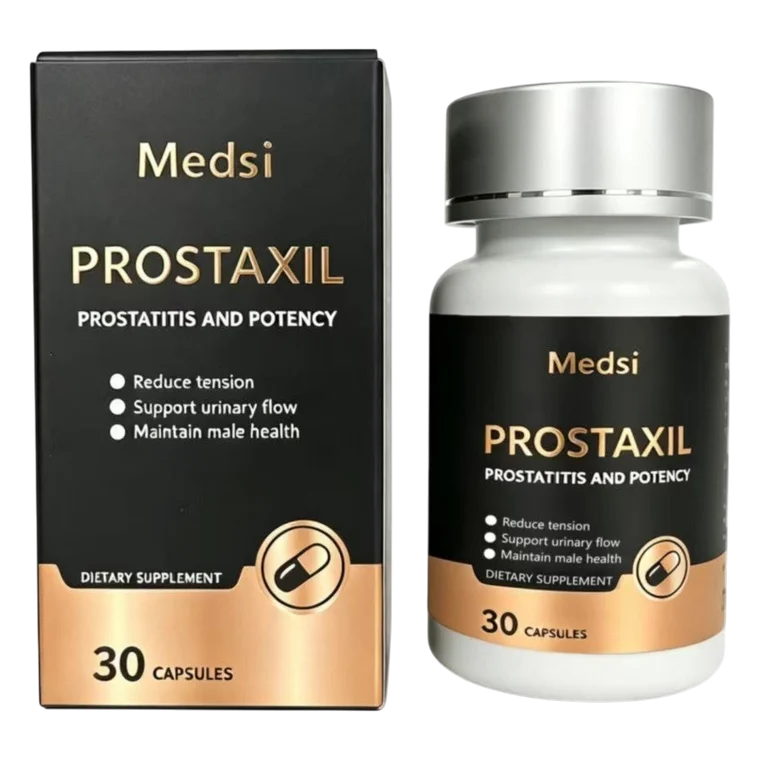
Prostate comfort formula with beta-sitosterol, nettle root and pumpkin seed
GHS 650
Order pageCardiovascular supplements are among the most sensibly formulated on the shelf and among the most likely to interact with prescribed medication. What to check before buying heart health supplements
Six-botanical herbal capsules for heart and circulation wellness, 20 per pack
Out of stock — see the review for the alternative
Read the review
Magnesium, calcium, potassium and L-carnitine capsules for heart wellness
KES 6,750
Order page Seven-ingredient heart and circulation capsules with olive leaf and hawthorn
GHS 499
Order page African mango, vitamin D, CoQ10 and red yeast rice capsules for heart wellbeing
₦59,000
Order page Daily capsules for blood vessel and circulation wellbeing, pay on delivery in Tanzania
TZS 89,990
Order page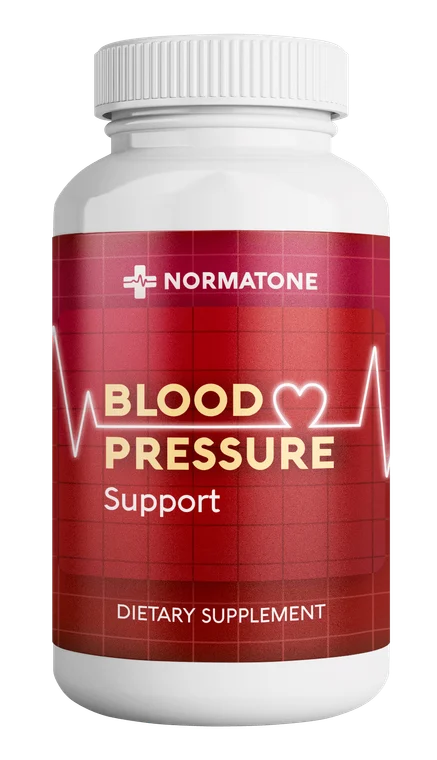
Daily capsules for blood pressure support and heart wellbeing in South Africa
R899
Order page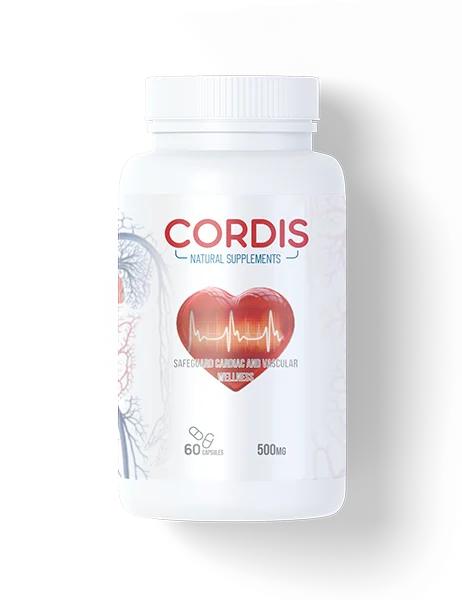
60 capsules of 500 mg for heart and circulation support, R649 delivered
R649
Order page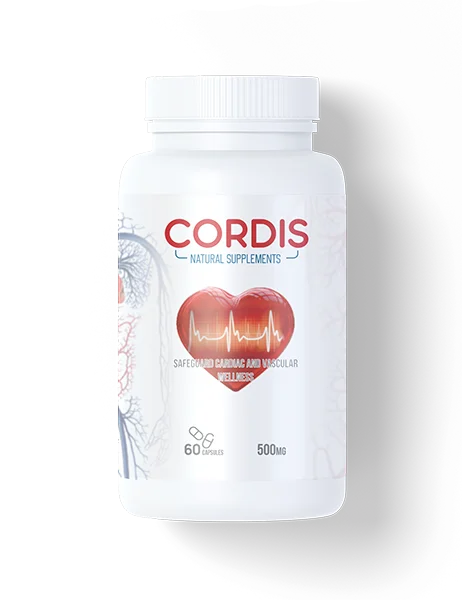
Heart and circulation support capsules on a dedicated Nigerian order line
₦56,000
Order page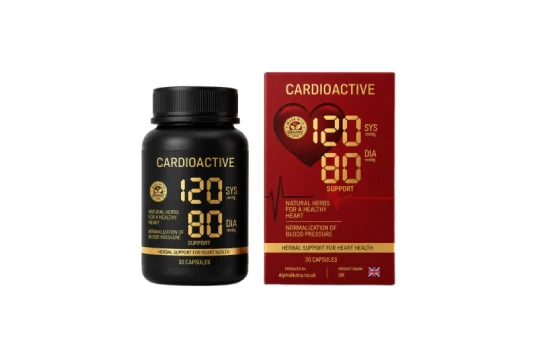
Herbal capsules for everyday heart and circulation support, 30 per pack
TZS 130,000
Order page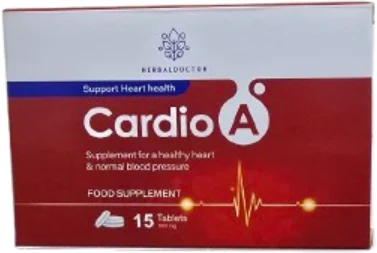
Hawthorn, ginkgo, garlic and nettle with vitamins in a daily heart tablet
UGX 172,000
Order page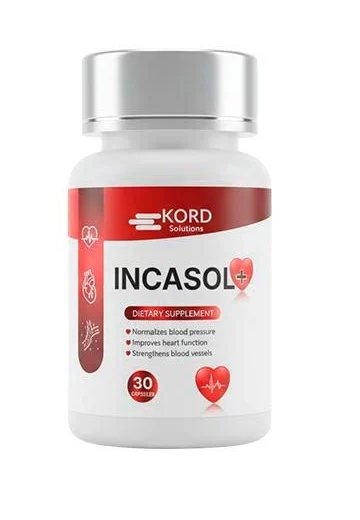
Daily capsules for heart and blood pressure wellness, 30 per bottle
GHS 650
Order page
Glucose-support formulas combine familiar botanicals such as cinnamon and fenugreek with minerals and fibre, as a daily habit alongside diet and activity. What to check before buying blood sugar support supplements
Konjac fibre, Indian barberry and chromium capsules for glucose metabolism
KES 6,750
Order page Six-herb capsules for healthy blood sugar balance, 30 × 500 mg per pack
R649
Order page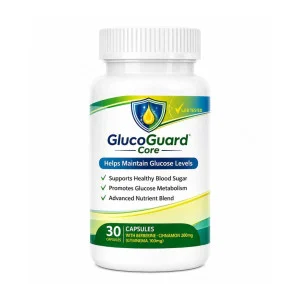
Daily blood sugar support capsules, now at half the stated regular price
KES 6,750
Order page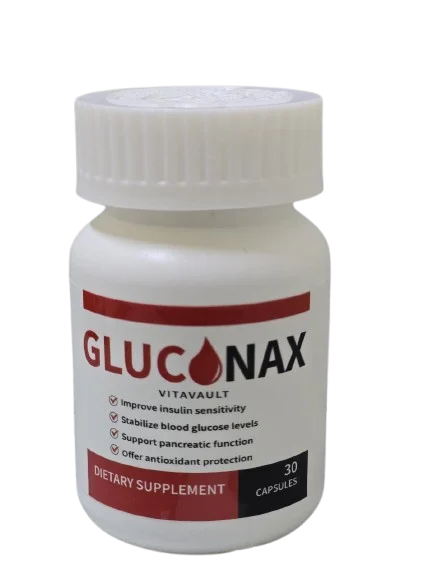
Gymnema, mulberry leaf and chromium in one daily capsule for balanced eating
KES 6,600
Order page 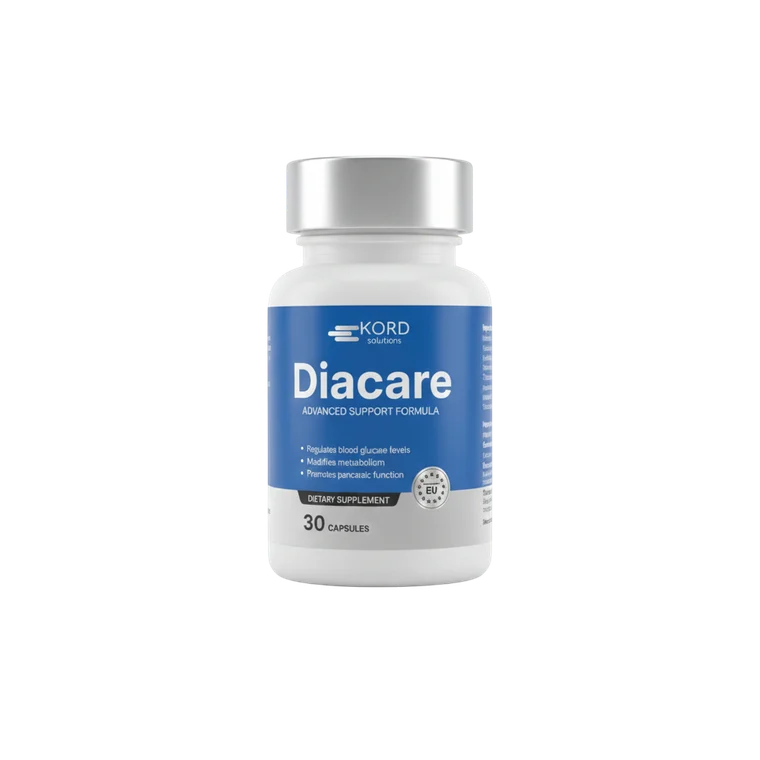
Six-ingredient capsules with barberry, cinnamon and green tea for daily glucose support
GHS 650
Order page Six-ingredient capsules with barberry, cinnamon and green tea for daily glucose support
KES 5,990
Order page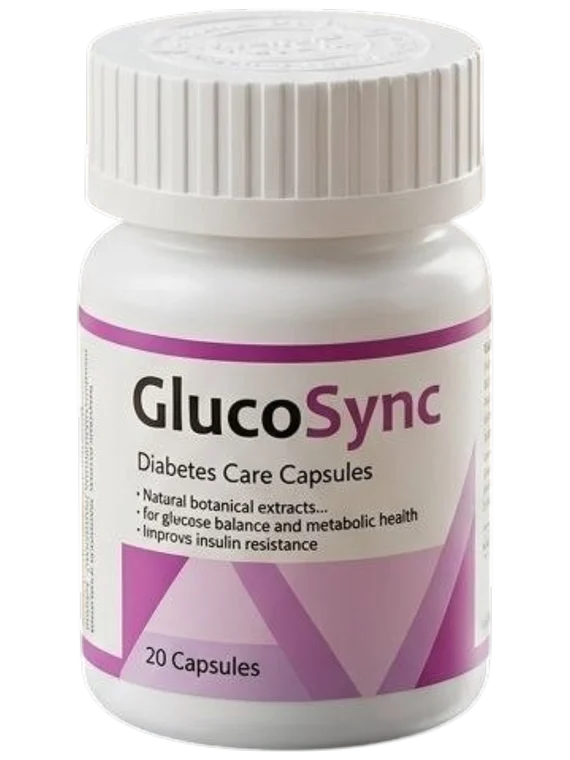
Plant-based capsules for daily glucose balance, 20 per pack, delivered in Nigeria
₦49,000
Order page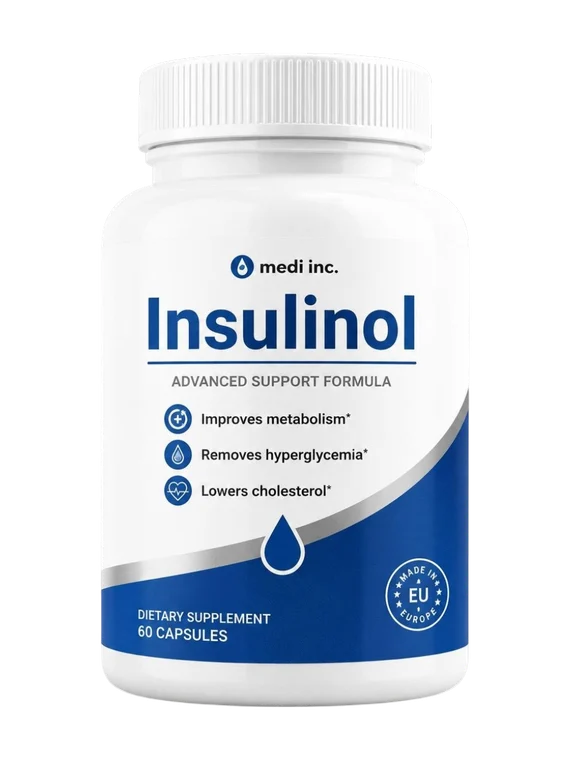
60-capsule pack for daily glucose balance, in Kenya, Tanzania and Uganda
KES 6,600
Order page 60-capsule pack for daily glucose balance, in Kenya, Tanzania and Uganda
TZS 135,000
Order page 60-capsule pack for daily glucose balance, in Kenya, Tanzania and Uganda
UGX 185,000
Order pageWeight management works best as a package: a calorie deficit, regular activity and day-to-day habits you can keep to. What to check before buying weight management supplements
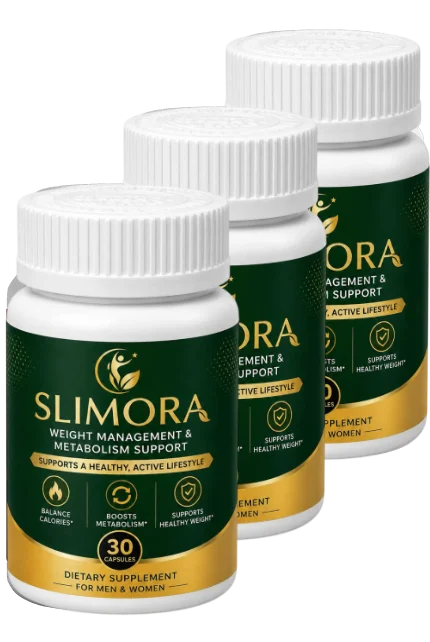
Cleanse and weight management capsules taken before meals, pay on delivery
KES 6,750
Order page
Garcinia cambogia (60% HCA) and green coffee in one daily capsule
TZS 135,000
Order page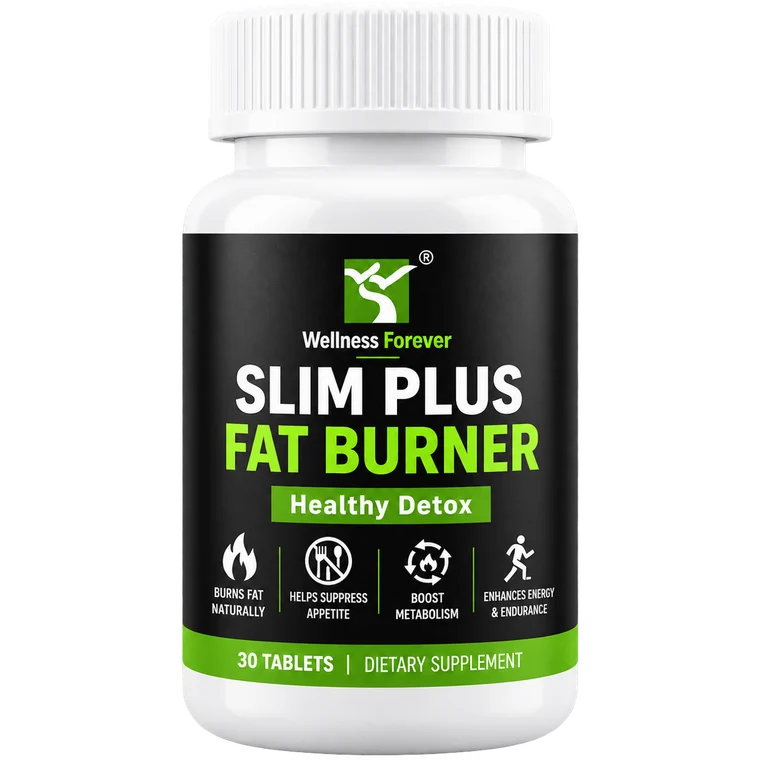
30-tablet weight-management supplement for a fresh start every day in Kenya
KES 6,600
Order page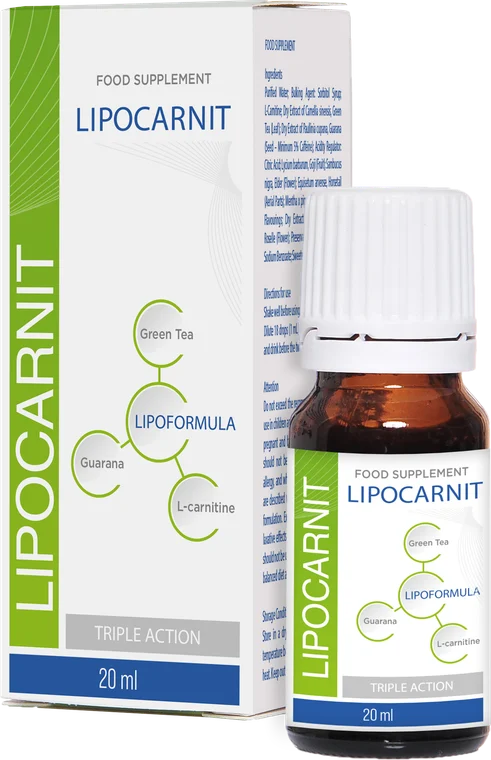
Weight-management drops for adults over 35, taken twice a day, delivered in Nigeria
₦48,900
Order page
A green matcha drink with spirulina — one warm cup a day alongside your weight goals
TZS 91,900
Order pageThe digestive shelf holds several different product types — fibre, probiotics, enzymes and herbal formulas. What to check before buying digestive health supplements
Cleanse and weight management capsules taken before meals, pay on delivery
KES 6,750
Order page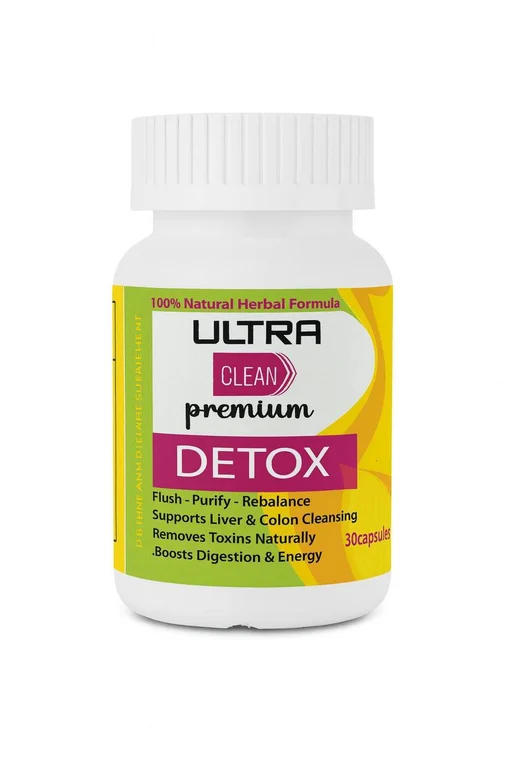
Herbal cleanse capsules for digestive comfort and a lighter feeling
KES 6,750
Order page One-a-day herbal capsule with wormwood, turmeric, gotu kola, amla and celery
KES 6,100
Order page One herbal capsule a day with wormwood, turmeric, gotu kola, amla and celery
TZS 91,900
Order pageMinerals are inorganic elements the body needs in defined amounts, and their supplements are judged on one number the front of the pack rarely shows: elemental content. What to check before buying minerals
Magnesium, calcium, potassium and L-carnitine capsules for heart wellness
KES 6,750
Order pageEye supplements are built around lutein and zeaxanthin, the carotenoids the retina concentrates at its centre. What to check before buying vision supplements
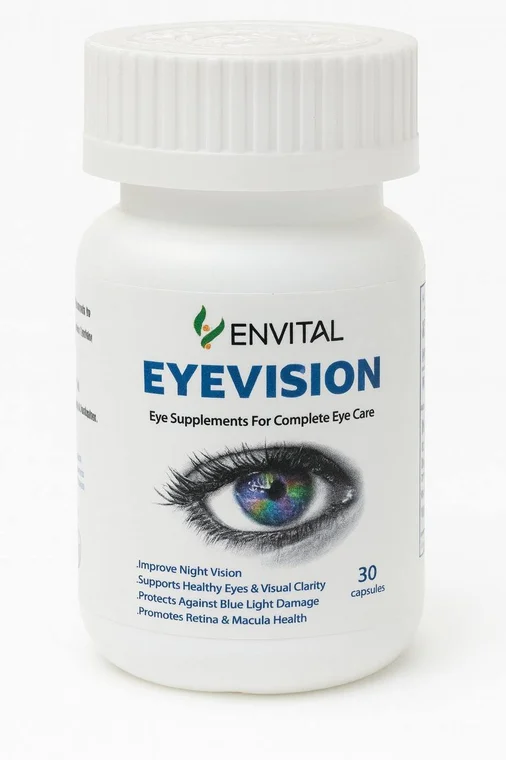
Lutein, zeaxanthin, vitamins A, C, E and zinc for screen-tired eyes
KES 6,750
Order pageBone formulas look similar and differ mainly in elemental calcium and vitamin D dose. What to check before buying bone health supplements
Joint and bone care cream with collagen, chondroitin, vitamin K2 and MSM
KES 5,500
Order pageA handful of nutrients matter more with age — protein, vitamin D, B12, calcium and omega-3. What to check before buying healthy ageing supplements
Lutein, zeaxanthin, vitamins A, C, E and zinc for screen-tired eyes
KES 6,750
Order pageEach category page sets out what these products contain, who uses them, the ingredients that matter and what to look for on a label. 7 of them have no product in our catalogue yet — the guidance is there for when you buy elsewhere.
Vitamins are essential compounds the body needs every day from food.
Minerals are inorganic elements the body needs in defined amounts, and their supplements are judged on one number the front of the pack rarely shows: elemental content.
Herbal supplements bring Africa’s traditional plant heritage into a measured, convenient daily form.
Joint supplements are the largest single category on the African supplement shelf.
Prostate formulas are built around a trusted set of ingredients led by saw palmetto, the best-known plant in men’s prostate-comfort formulas, used for generations.
Men’s formulas bring together the best-known vitality botanicals with the minerals men need every day.
The women’s category spans four quite different products: prenatal formulas, iron supplements, bone support and menopause blends.
Weight management works best as a package: a calorie deficit, regular activity and day-to-day habits you can keep to.
Glucose-support formulas combine familiar botanicals such as cinnamon and fenugreek with minerals and fibre, as a daily habit alongside diet and activity.
Cardiovascular supplements are among the most sensibly formulated on the shelf and among the most likely to interact with prescribed medication.
Immune formulas are simple: a handful of nutrients that contribute to the normal function of the immune system, plus traditional botanicals.
The digestive shelf holds several different product types — fibre, probiotics, enzymes and herbal formulas.
Eye supplements are built around lutein and zeaxanthin, the carotenoids the retina concentrates at its centre.
Bone formulas look similar and differ mainly in elemental calcium and vitamin D dose.
Sleep supplements work best as part of calm evening habits.
Omega-3 is easy to compare once you know where to look: a 1000 mg capsule usually contains around 300 mg of EPA and DHA, and that is the number to compare.
Probiotics are defined by their named strains.
A multivitamin is simple nutritional insurance: one daily tablet covering a broad set of vitamins and minerals.
A handful of nutrients matter more with age — protein, vitamin D, B12, calcium and omega-3.

Supplement categories exist because retailers need shelves, not because the body is organised that way. If you are starting from a health concern rather than a product type, the health topics are the better entry point; these pages then help you evaluate what you find on the shelf.
Prices shown are the figures currently advertised for each market and are confirmed on the call before dispatch. Where a supplier publishes no ingredient panel, the product page says so rather than guessing.
Medical disclaimer. BioMedic Africa publishes consumer health information and supplement research summaries. It is not a pharmacy, a clinic or a medicines regulator, and nothing here is a diagnosis, a prescription or a treatment plan. Dietary supplements are foods, not medicines: they are not intended to diagnose, treat, cure or prevent any disease. Speak with a pharmacist or a qualified healthcare professional before starting any supplement, especially if you are pregnant or breastfeeding, under 18, living with a long-term condition, or taking prescription medication.