
Supplement category
Immune Support Supplements: Vitamin C, Zinc, Vitamin D and Botanicals

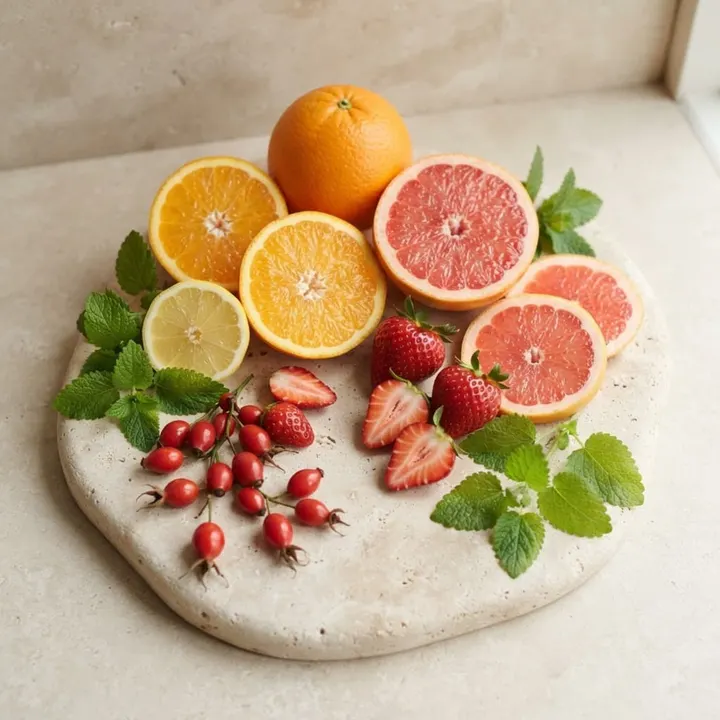
Immune formulas are simple: a handful of nutrients that contribute to the normal function of the immune system, plus traditional botanicals. Everyday amounts close to recommended intakes are the target, which makes the category easy to shop.
What are immune support supplements?
Typical products combine vitamin C, zinc, vitamin D, selenium and sometimes elderberry, echinacea, garlic or African botanicals such as moringa and baobab.
Zinc lozenges are a distinct product designed to dissolve slowly in the mouth at the first sign of a cold.
Food-based powders such as moringa and baobab contribute micronutrients as part of the diet rather than as concentrated actives.
Who uses them
- People with limited dietary variety.
- People with low sun exposure, for vitamin D.
- People wanting a short-term option at the first sign of a cold.
Key ingredients
Vitamin C
Vitamin C is the most-purchased single supplement in Africa and a daily essential the body cannot make for itself.
MineralZinc
Zinc is an essential trace mineral with a real public-health story in sub-Saharan Africa, where dietary intake is often marginal.
VitaminVitamin D
Vitamin D is made in skin exposed to sunlight, which makes its status in equatorial Africa more complicated than latitude alone suggests.
BotanicalMoringa
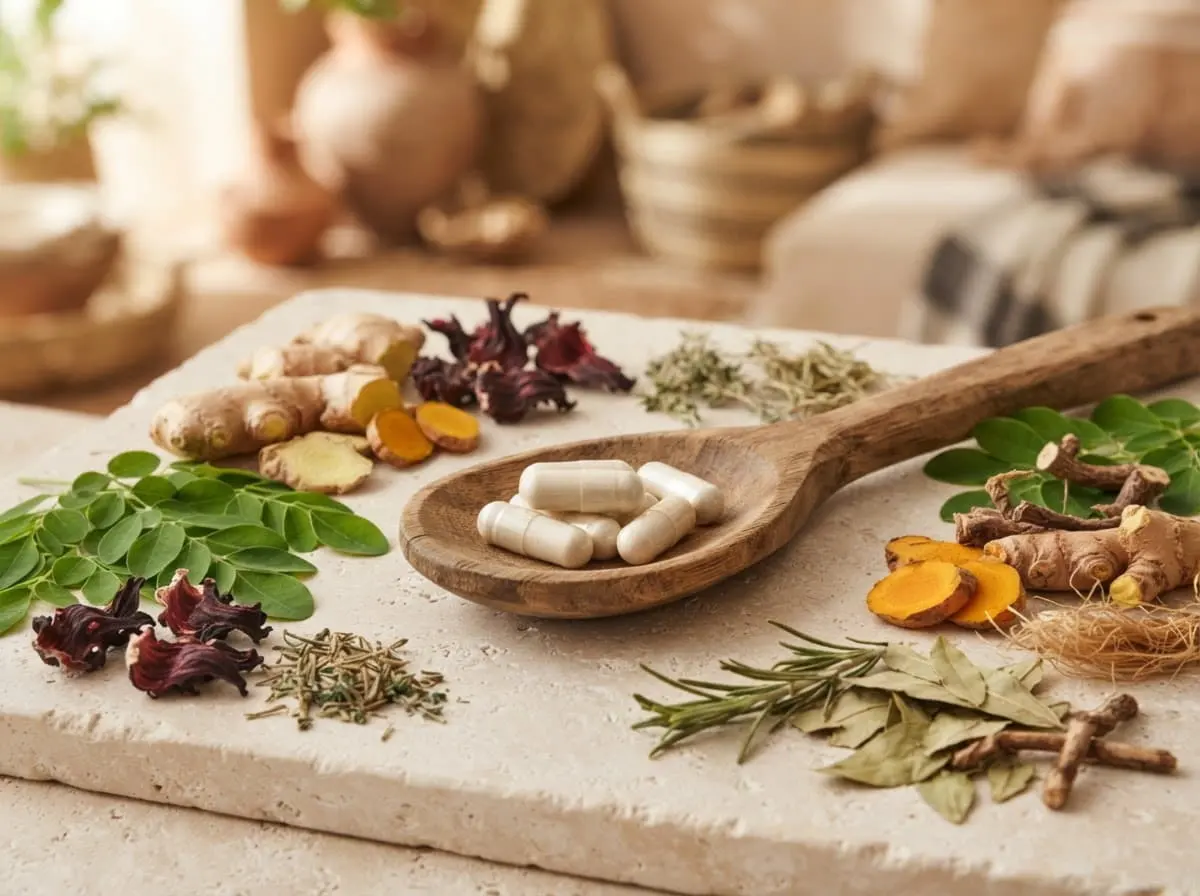
Moringa is the most important home-grown supplement ingredient in Africa.
BotanicalBaobab
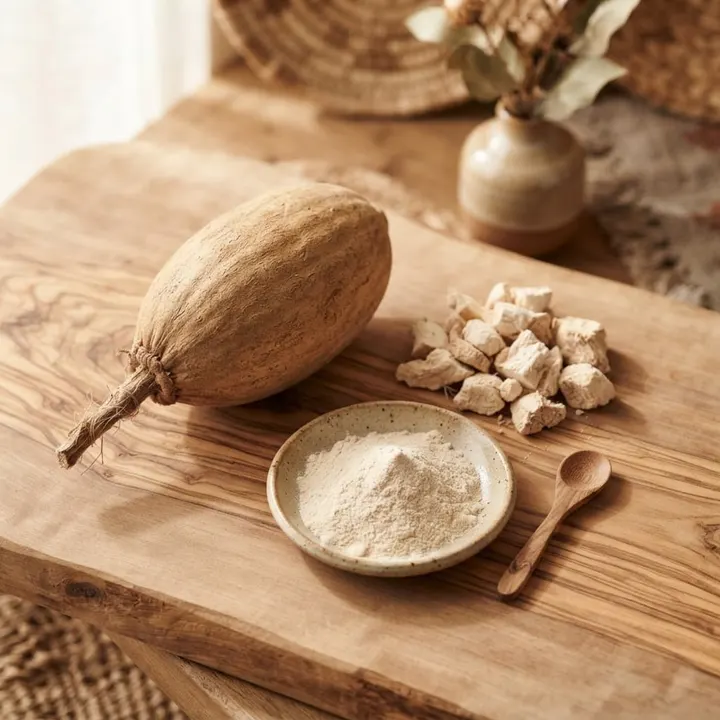
Baobab fruit powder is a naturally dry, vitamin C-rich African ingredient that needs no processing to become a supplement.
BotanicalGarlic
Garlic is the most widely studied culinary bulb in cardiovascular nutrition.
Live cultureProbiotics
Probiotics are friendly live cultures that carry on Africa’s long tradition of fermented foods in a convenient capsule.
How to compare products
Doses near recommended intake
For daily use, amounts close to the recommended intake are the sensible target.
Zinc format
Lozenges for short-term cold use; capsules for daily adequacy. They are not interchangeable.
Botanical additions
Elderberry, echinacea, moringa and baobab add a traditional plant element to the nutrient core.
Sugar content
Gummies and effervescent formats carry sugar or sodium worth checking.
What to look for on the label
- Amounts stated with percentage of reference intake
- Zinc form and whether it is a lozenge or capsule
- Vitamin D as D3
Safety
- Long-term high-dose zinc causes copper deficiency.
- High-dose vitamin A is toxic and unsafe in pregnancy.
- Immune-stimulating botanicals may interact with immunosuppressant medication.
- Vaccination and hygiene remain the foundation; supplements support everyday nutrition alongside them.
Where to buy
These products reach African buyers through chain pharmacies, supermarket health aisles, online pharmacies, marketplaces and direct-order delivery. Each channel differs in price, choice, advice and accountability — our where to buy guide compares them, and the Kenya guide covers that market in detail.
Related health topics
Frequently asked questions
Do zinc lozenges shorten a cold?
They are designed for the first days of a cold: dissolve them slowly in the mouth, follow the pack directions and keep the course short.
Should I take immune supplements all year?
Most people use them seasonally or as a course. Follow the directions on the pack and keep diet as the main source of everyday nutrients.
Related guides
Medical disclaimer. BioMedic Africa publishes consumer health information and supplement research summaries. It is not a pharmacy, a clinic or a medicines regulator, and nothing here is a diagnosis, a prescription or a treatment plan. Dietary supplements are foods, not medicines: they are not intended to diagnose, treat, cure or prevent any disease. Speak with a pharmacist or a qualified healthcare professional before starting any supplement, especially if you are pregnant or breastfeeding, under 18, living with a long-term condition, or taking prescription medication.