
Uganda
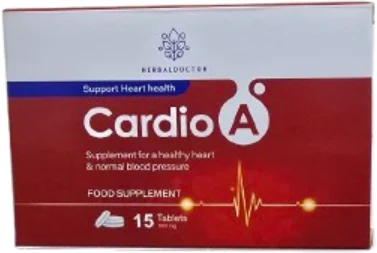
Cardio A
Hawthorn, ginkgo, garlic and nettle with vitamins in a daily heart tablet
UGX 172,000
Order page
Botanical ingredient
Allium sativum · Also known as Kitunguu saumu (Swahili)
Garlic is the most widely studied culinary bulb in cardiovascular nutrition. Supplement makers protect its delicate sulphur compounds in aged, powdered and oil-based forms, so a capsule delivers garlic’s character every day without the kitchen smell.
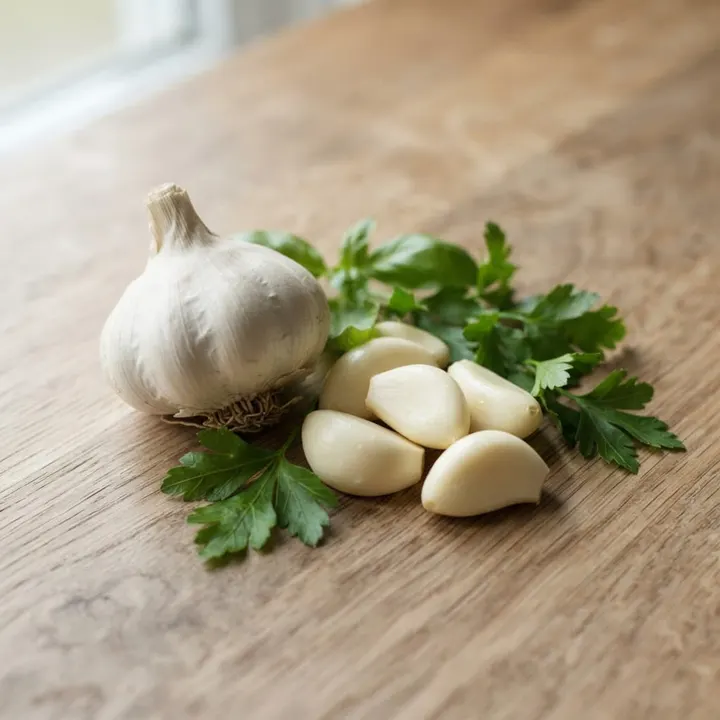
Garlic is the bulb of Allium sativum, grown throughout Africa and used daily in cooking. Crushing or chopping a clove converts alliin into allicin, the unstable compound behind its smell.
Because allicin degrades quickly, supplement makers use different strategies: enteric-coated powders that aim to deliver allicin potential, aged garlic extracts with a different compound profile, and steam-distilled garlic oils.
Garlic is a fixture of African home cooking and of household practice for coughs and colds across many communities. Its dietary use is long-standing; the concentrated supplement forms are modern.
Good to know. Supplements containing garlic are food supplements, so their labels describe support for everyday wellbeing.
Garlic has been studied in many trials in connection with healthy blood pressure and heart wellbeing, and meta-analyses have reported favourable results with several preparations.
Researchers have also looked extensively at garlic and blood lipids, which is why it is a staple of cholesterol- and heart-support formulas.
Its traditional role in the cold season has also attracted research interest and fits its place in immune-support blends.
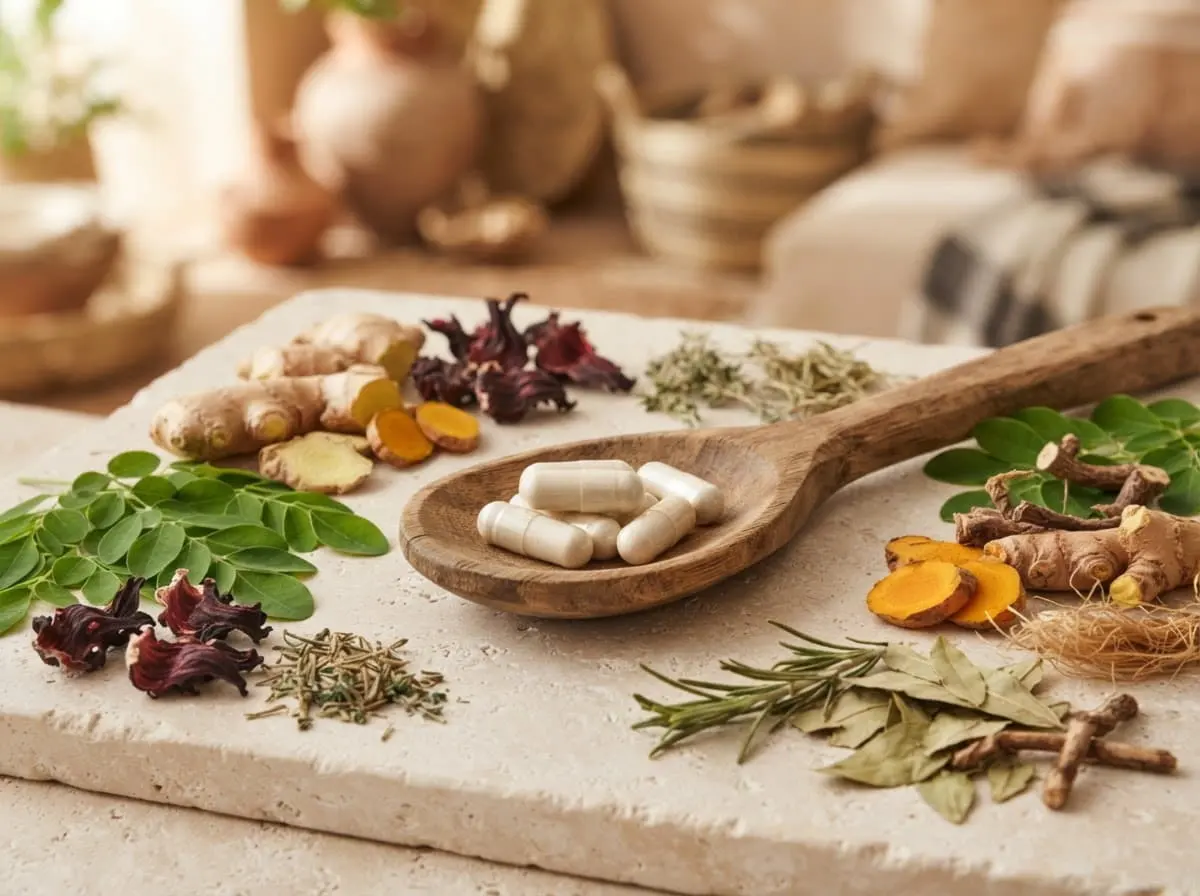
Garlic is a common component of cardiovascular and immune-positioned formulas, sometimes combined with hawthorn, olive leaf or coenzyme Q10. Odour-controlled and aged preparations dominate the retail market.
Breath and body odour, heartburn, digestive upset, and occasionally allergic skin reactions.
Relevant with warfarin and other anticoagulants, with antiplatelet agents, and with some antiretroviral medicines. Confirm with a pharmacist if you take chronic medication.
People taking anticoagulants, people scheduled for surgery within two weeks, and people on antiretroviral therapy.
Products documented in African markets whose supplier material names this ingredient.
Hawthorn, ginkgo, garlic and nettle with vitamins in a daily heart tablet
UGX 172,000
Order page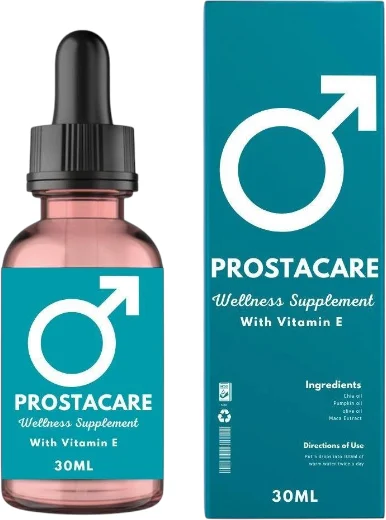
Men’s wellness drops with pumpkin seed oil, garlic oil and vitamin E in a 30 ml bottle
KES 6,900
Order pageYes — odour-controlled products are designed to deliver garlic’s active compounds without the smell, which makes daily use much easier.
A typical clove weighs around 3 g fresh. Supplement labels often express content as an equivalent to fresh garlic, which lets you make a rough comparison.
Medical disclaimer. BioMedic Africa publishes consumer health information and supplement research summaries. It is not a pharmacy, a clinic or a medicines regulator, and nothing here is a diagnosis, a prescription or a treatment plan. Dietary supplements are foods, not medicines: they are not intended to diagnose, treat, cure or prevent any disease. Speak with a pharmacist or a qualified healthcare professional before starting any supplement, especially if you are pregnant or breastfeeding, under 18, living with a long-term condition, or taking prescription medication.