
Nigeria
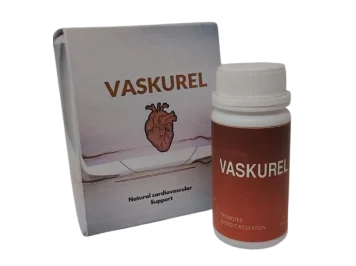
Vaskurel
African mango, vitamin D, CoQ10 and red yeast rice capsules for heart wellbeing
₦59,000
Order page
Nutrient ingredient
Also known as CoQ10, ubiquinone, ubiquinol
Coenzyme Q10 is made by the body and concentrated in tissues with high energy demand, including the heart. It is one of the few supplement ingredients with a specific, well-defined reason to discuss with a prescriber: statin therapy.
CoQ10 is a fat-soluble compound involved in mitochondrial energy production and functioning as an antioxidant. The body synthesises it, and levels decline with age.
Supplements supply either ubiquinone (the oxidised form) or ubiquinol (the reduced form). Both are converted in the body, so either form tops up the body’s own supply.
CoQ10 is a modern nutritional discovery with no traditional use. It reaches African markets as an imported cardiovascular and energy supplement ingredient.
Good to know. Supplements containing coenzyme q10 are food supplements, so their labels describe support for everyday wellbeing.
CoQ10 is one of the most widely researched heart-wellbeing nutrients, studied in connection with heart function, muscle comfort in people taking statins, and healthy blood pressure.
Its natural role in cellular energy production is the reason it features in energy and healthy-ageing formulas as well as cardiovascular ones.
In supplement form it sits alongside prescribed care and is worth mentioning to the doctor managing it.
CoQ10 appears in cardiovascular formulas, energy complexes and anti-ageing products. Typical supplement doses range from 30 mg to 200 mg per day.
Mild digestive upset, and occasionally insomnia if taken late in the day.
May reduce the effect of warfarin, so anticoagulated patients need medical supervision. It may also have additive effects with blood pressure medication.
Anyone on warfarin, anyone with a diagnosed heart condition, and anyone taking statins who is considering CoQ10 for muscle symptoms.
Products documented in African markets whose supplier material names this ingredient.
African mango, vitamin D, CoQ10 and red yeast rice capsules for heart wellbeing
₦59,000
Order pageMany people on statins ask about CoQ10, and it has been studied for exactly that situation. Raise it with your doctor, who manages your treatment and can confirm it suits you.
Both forms are converted in the body. A well-formulated ubiquinone softgel taken with a meal is an excellent, affordable starting point.
Medical disclaimer. BioMedic Africa publishes consumer health information and supplement research summaries. It is not a pharmacy, a clinic or a medicines regulator, and nothing here is a diagnosis, a prescription or a treatment plan. Dietary supplements are foods, not medicines: they are not intended to diagnose, treat, cure or prevent any disease. Speak with a pharmacist or a qualified healthcare professional before starting any supplement, especially if you are pregnant or breastfeeding, under 18, living with a long-term condition, or taking prescription medication.