
Kenya Out of stock
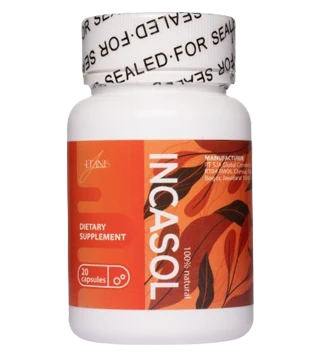
Incasol
Six-botanical herbal capsules for heart and circulation wellness, 20 per pack
Out of stock — see the review for the alternative
Read the review
Health topic
High blood pressure causes no symptoms until it causes damage, which is why it is called the silent condition. This page covers correct measurement, the lifestyle changes that make a difference, and where hibiscus, garlic and magnesium formulas fit in.

Blood pressure is the force of blood against artery walls, recorded as systolic over diastolic. Sustained elevation damages arteries, the heart, kidneys, eyes and brain over years.
Prevalence is high across sub-Saharan Africa and awareness is low: large surveys have repeatedly found that a majority of affected adults are undiagnosed, and a minority of those diagnosed reach control.
The interventions that work are unglamorous — salt reduction, weight change, activity, alcohol moderation and, where indicated, medication taken consistently. Supplements such as hibiscus and garlic accompany this approach as a daily habit.
The most common presentation. This is why measurement, not sensation, is the basis for diagnosis.
Most headaches are not caused by blood pressure. Very high readings can cause symptoms, but ordinary hypertension usually does not.
One reading does not make a diagnosis. Repeated measurement over days or weeks, correctly performed, is what counts.
Worth mentioning to a clinician; technique and cuff size explain many discrepancies.
Reducing sodium lowers blood pressure in most people, and the effect is larger in people of African descent according to published research.
Beans, bananas, leafy greens and sweet potato support the sodium-potassium balance that regulates pressure.
Weight loss produces reliable reductions in blood pressure.
Regular heavy drinking raises blood pressure directly; reducing intake lowers it.
Potassium and magnesium both have documented roles in blood pressure regulation, best obtained from food. Fruit, vegetables and legumes are the everyday foundation, and a botanical formula builds on them.
Ingredients that appear in products aimed at this topic. Each page explains what the ingredient is, how it is traditionally used and which products contain it.
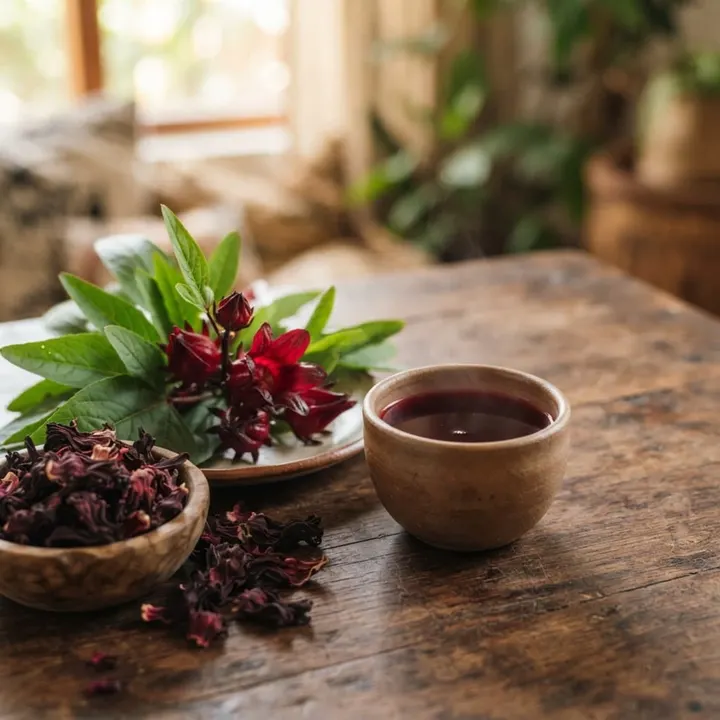
Hibiscus is the deep red drink known as zobo in Nigeria and karkade across the Sahel, and one of the best-researched botanicals in the heart-wellbeing category.
BotanicalGarlic is the most widely studied culinary bulb in cardiovascular nutrition.
MineralMagnesium is an essential mineral involved in hundreds of enzyme reactions, and one of the nutrients most people under-consume.
NutrientCoenzyme Q10 is made by the body and concentrated in tissues with high energy demand, including the heart.
BotanicalBergamot is the citrus behind Earl Grey tea, and its fruit polyphenols are studied for their effect on blood lipids.
BotanicalGinger is one of the few botanicals that is both an everyday African kitchen staple and a genuinely well-studied supplement ingredient.
BotanicalDandelion root is a bitter herb used for centuries as a digestive and diuretic tonic.
BotanicalEucalyptus is one of the few botanicals that is genuinely naturalised in East Africa, planted across the highlands.

See a doctor about any of the following before starting a supplement:

Cardiovascular supplements are among the most sensibly formulated on the shelf and among the most likely to interact with prescribed medication.
Herbal supplements bring Africa’s traditional plant heritage into a measured, convenient daily form.
Minerals are inorganic elements the body needs in defined amounts, and their supplements are judged on one number the front of the pack rarely shows: elemental content.
Products sold in African markets positioned around this topic, each with its price, format and delivery terms.
Six-botanical herbal capsules for heart and circulation wellness, 20 per pack
Out of stock — see the review for the alternative
Read the review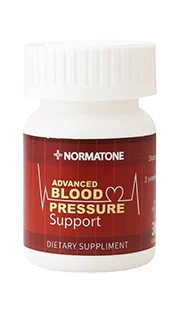
Magnesium, calcium, potassium and L-carnitine capsules for heart wellness
KES 6,750
Order page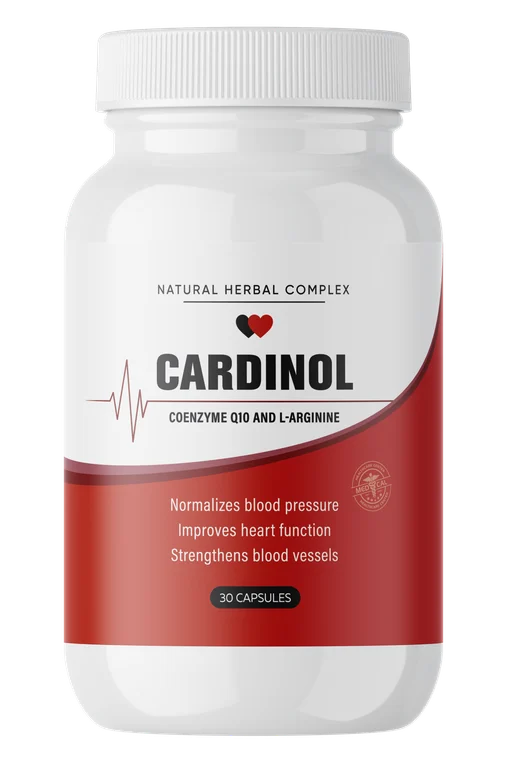
Seven-ingredient heart and circulation capsules with olive leaf and hawthorn
GHS 499
Order page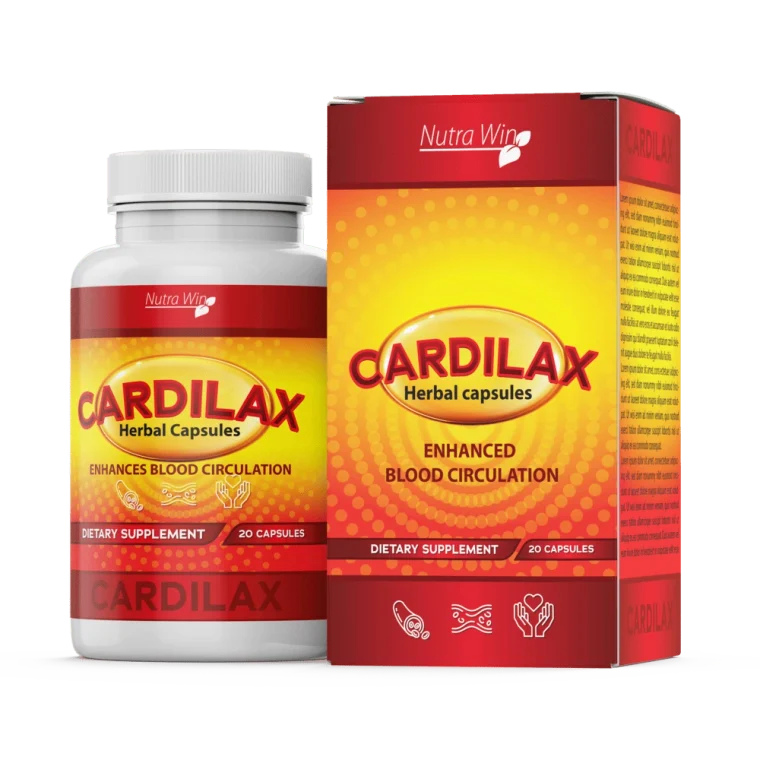
African mango, vitamin D, CoQ10 and red yeast rice capsules for heart wellbeing
₦59,000
Order page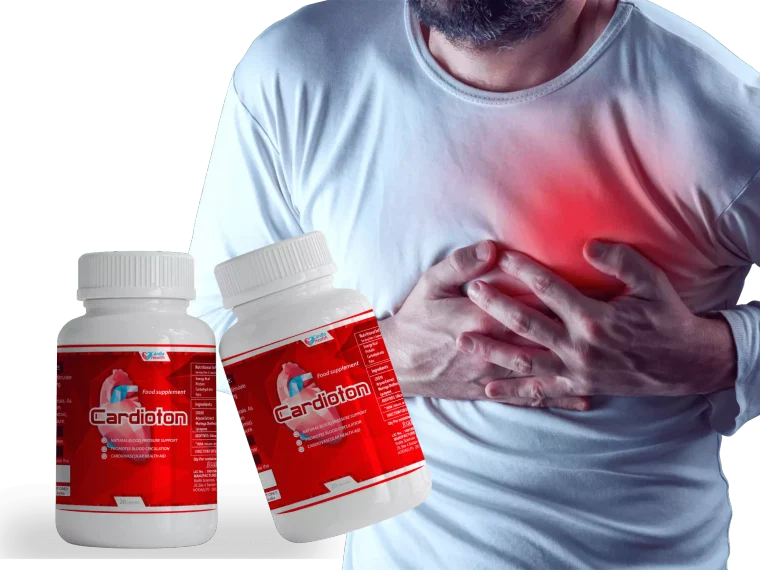
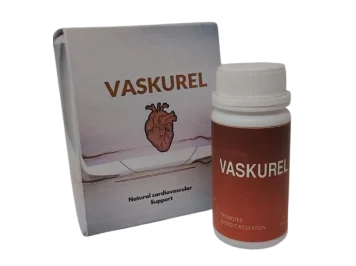
Daily capsules for blood vessel and circulation wellbeing, pay on delivery in Tanzania
TZS 89,990
Order pageYes — hibiscus (zobo, bissap) is a traditional caffeine-free drink across the region and a pleasant part of lower-salt daily living. It accompanies, and never replaces, prescribed blood-pressure treatment.
Follow your clinician’s advice. A common approach is a week of twice-daily readings before a review appointment rather than random single measurements.
This page summarises public health information. These are the bodies it draws on — go to them directly if you want the full text rather than our summary.
Medical disclaimer. BioMedic Africa publishes consumer health information and supplement research summaries. It is not a pharmacy, a clinic or a medicines regulator, and nothing here is a diagnosis, a prescription or a treatment plan. Dietary supplements are foods, not medicines: they are not intended to diagnose, treat, cure or prevent any disease. Speak with a pharmacist or a qualified healthcare professional before starting any supplement, especially if you are pregnant or breastfeeding, under 18, living with a long-term condition, or taking prescription medication.