
Kenya Out of stock
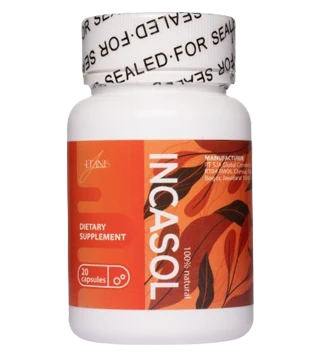
Incasol
Six-botanical herbal capsules for heart and circulation wellness, 20 per pack
Out of stock — see the review for the alternative
Read the review
Botanical ingredient
Eucalyptus globulus · Also known as Blue gum, mkaratusi (Swahili)
Eucalyptus is one of the few botanicals that is genuinely naturalised in East Africa, planted across the highlands. Its fresh, cooling leaf is a household favourite for respiratory comfort, while its essential oil is for inhaling and diluted skin use only, never for swallowing.

Eucalyptus globulus is an Australian tree planted extensively in Kenyan, Ugandan and Ethiopian highlands for timber and fuel. Its leaves are strongly aromatic.
The leaf yields an essential oil dominated by 1,8-cineole (eucalyptol), which is what gives it the characteristic cooling, clearing sensation.
Because eucalyptus grows widely in East African highlands, steam inhalation with mkaratusi leaves is a familiar household practice for blocked noses and coughs. This is one of the region’s genuinely local uses of an introduced plant.
Good to know. Supplements containing eucalyptus are food supplements, so their labels describe support for everyday wellbeing.
Cineole has been studied in clinical trials for sinusitis and bronchitis symptoms, with some reporting symptomatic improvement.
Inhaled and topical eucalyptus is especially well documented, which is why it is so popular in balms and steam for a clear-feeling nose and chest.

Eucalyptus leaf extract appears in respiratory and circulation-positioned herbal formulas, and as an aromatic component in balms and inhalants.
Oral leaf preparations may cause nausea. Essential oil can cause severe reactions if ingested.
Cineole can induce liver enzymes and may reduce the effect of some medicines. Discuss with a pharmacist if you take chronic medication.
Parents of young children, people with asthma (aromatic oils can trigger symptoms in some), and anyone pregnant.

Products documented in African markets whose supplier material names this ingredient.
Six-botanical herbal capsules for heart and circulation wellness, 20 per pack
Out of stock — see the review for the alternative
Read the review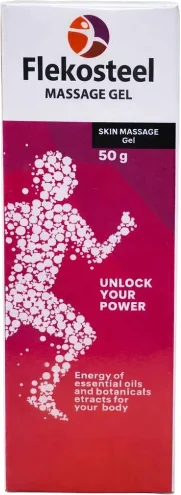
Cooling massage gel with menthol, camphor, thyme and eucalyptus for joints and muscles
KES 6,900
Order pageNo. Eucalyptus essential oil is toxic when swallowed and has caused serious poisoning, especially in children. Only properly formulated oral preparations are appropriate.
For adults it is a long-standing household practice. Keep children away from hot water and never leave a steam bowl unattended.
Medical disclaimer. BioMedic Africa publishes consumer health information and supplement research summaries. It is not a pharmacy, a clinic or a medicines regulator, and nothing here is a diagnosis, a prescription or a treatment plan. Dietary supplements are foods, not medicines: they are not intended to diagnose, treat, cure or prevent any disease. Speak with a pharmacist or a qualified healthcare professional before starting any supplement, especially if you are pregnant or breastfeeding, under 18, living with a long-term condition, or taking prescription medication.