
Kenya
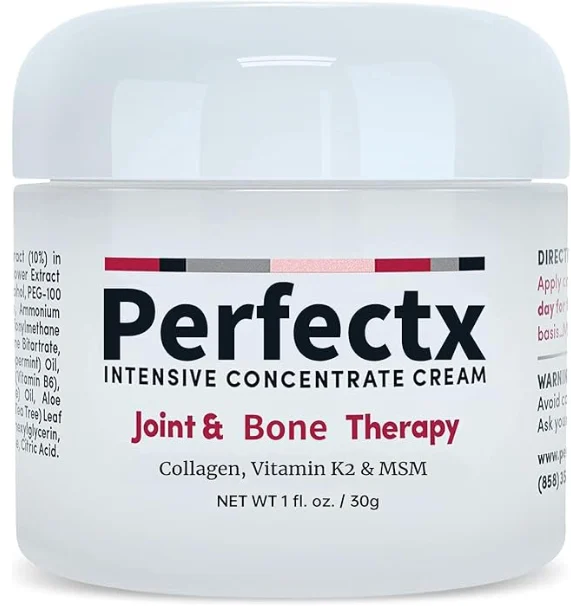
Perfect X Cream
Joint and bone care cream with collagen, chondroitin, vitamin K2 and MSM
KES 5,500
Order page
Supplement category
Bone formulas look similar and differ mainly in elemental calcium and vitamin D dose. The right product depends on what your diet already supplies, which is why estimating intake comes before choosing a pack.

Bone products combine calcium with vitamin D, and frequently magnesium, vitamin K2, zinc and boron.
Calcium carbonate needs stomach acid and food; calcium citrate absorbs without either, which matters for people on acid-reducing medication.
Vitamin K2 is included because vitamin K contributes to the maintenance of normal bones, working alongside calcium and vitamin D.

Calcium is the best-known mineral for strong bones and teeth.
VitaminVitamin D is made in skin exposed to sunlight, which makes its status in equatorial Africa more complicated than latitude alone suggests.
MineralMagnesium is an essential mineral involved in hundreds of enzyme reactions, and one of the nutrients most people under-consume.
StructuralCollagen is the most-purchased structural supplement in the world, and the one where reading the type matters most.
The only calcium figure worth comparing. Then subtract what your diet already provides.
Citrate for people on acid reducers or with low stomach acid; carbonate otherwise, taken with food.
Maintenance and deficiency-correction doses are very different. Know which you need.
Calcium tablets are large. Chewable and powder forms exist and matter for older users.

Products documented from supplier material for African markets, each with its price, format and delivery terms.
Joint and bone care cream with collagen, chondroitin, vitamin K2 and MSM
KES 5,500
Order page
These products reach African buyers through chain pharmacies, supermarket health aisles, online pharmacies, marketplaces and direct-order delivery. Each channel differs in price, choice, advice and accountability — our where to buy guide compares them, and the Kenya guide covers that market in detail.
The gap between your dietary intake and the recommendation for your age. Estimate what your meals supply, then follow the dose on the pack.
Vitamin K contributes to the maintenance of normal bones, which is why it is often paired with calcium and vitamin D in one daily formula.
Medical disclaimer. BioMedic Africa publishes consumer health information and supplement research summaries. It is not a pharmacy, a clinic or a medicines regulator, and nothing here is a diagnosis, a prescription or a treatment plan. Dietary supplements are foods, not medicines: they are not intended to diagnose, treat, cure or prevent any disease. Speak with a pharmacist or a qualified healthcare professional before starting any supplement, especially if you are pregnant or breastfeeding, under 18, living with a long-term condition, or taking prescription medication.