
Kenya
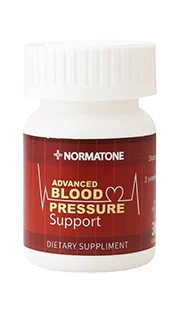
Normatone
Magnesium, calcium, potassium and L-carnitine capsules for heart wellness
KES 6,750
Order page
Mineral ingredient
Calcium is the best-known mineral for strong bones and teeth. In much of Africa dietary intake sits below recommendations, and pairing calcium with vitamin D at a sensible daily amount is the way to make the most of it.

Calcium is the most abundant mineral in the body, almost all of it in bone and teeth. It is also required for muscle contraction, nerve signalling and blood clotting.
Dairy is the classic source, but small fish eaten with bones, dark leafy greens, sesame and fortified foods all contribute, which matters where dairy intake is low.
Traditional African diets supply calcium through dark leafy greens, small dried fish such as omena and dagaa eaten whole, and sesame or groundnut pastes.
Good to know. Supplements containing calcium are food supplements, so their labels describe support for everyday wellbeing.
Adequate calcium with vitamin D supports bone mineral density, and the requirement rises after menopause and in later life.
The benefit of topping up calcium is clearest where dietary intake is low, which is the case for many people in the region.
A combination of calcium-rich foods and a moderate supplement dose, split across the day, is a balanced, practical approach.

Calcium appears in bone formulas with vitamin D, magnesium and vitamin K2, and in most multivitamins at partial doses. Common forms are carbonate and citrate.
Constipation, bloating and wind, more commonly with carbonate.
Reduces absorption of tetracycline and quinolone antibiotics, levothyroxine, iron and bisphosphonates. Separate by at least two hours.
People with a history of kidney stones, people on thyroid medication, and anyone taking more than the recommended intake from supplements.

Products documented in African markets whose supplier material names this ingredient.
Magnesium, calcium, potassium and L-carnitine capsules for heart wellness
KES 6,750
Order pageSmall whole fish, dark leafy greens, sesame and fortified products all contribute. Estimate your dietary intake, and a supplement can top up the rest.
No — calcium reduces iron absorption. Take them at different times of day.
Medical disclaimer. BioMedic Africa publishes consumer health information and supplement research summaries. It is not a pharmacy, a clinic or a medicines regulator, and nothing here is a diagnosis, a prescription or a treatment plan. Dietary supplements are foods, not medicines: they are not intended to diagnose, treat, cure or prevent any disease. Speak with a pharmacist or a qualified healthcare professional before starting any supplement, especially if you are pregnant or breastfeeding, under 18, living with a long-term condition, or taking prescription medication.