
Kenya
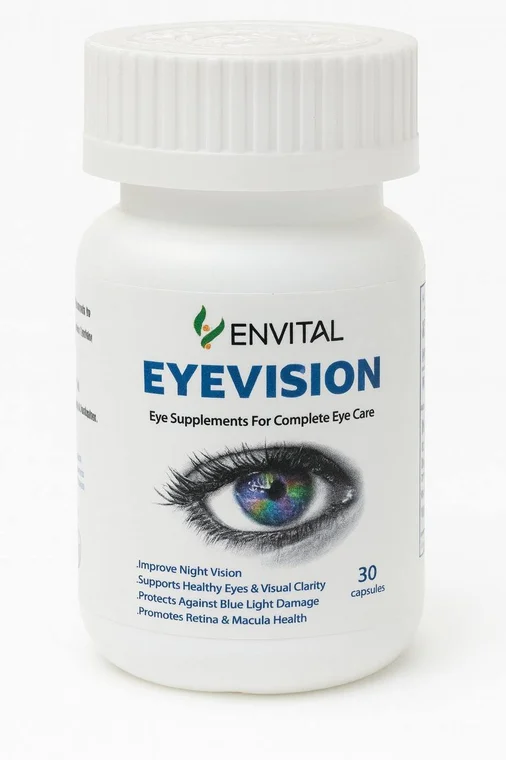
Envital Eyevision
Lutein, zeaxanthin, vitamins A, C, E and zinc for screen-tired eyes
KES 6,750
Order page
Supplement category
A handful of nutrients matter more with age — protein, vitamin D, B12, calcium and omega-3. Healthy-ageing formulas supply them alongside strength work, good meals and care for existing conditions.

Products in this category include protein powders, vitamin D, vitamin B12, calcium, omega-3, coenzyme Q10 and a range of traditional botanicals.
Nutrient absorption and requirements change with age: B12 absorption falls, vitamin D synthesis becomes less efficient, and protein needs per kilogram rise.
Healthy-ageing formulas support everyday wellbeing alongside strength work, nutrition and sleep.

Vitamin D is made in skin exposed to sunlight, which makes its status in equatorial Africa more complicated than latitude alone suggests.
VitaminVitamin B12 comes almost exclusively from animal foods, which makes it the one nutrient where diet pattern predicts deficiency more reliably than anything else.
MineralCalcium is the best-known mineral for strong bones and teeth.
NutrientOmega-3 supplements bring the goodness of oily fish into a simple daily softgel.
MineralMagnesium is an essential mineral involved in hundreds of enzyme reactions, and one of the nutrients most people under-consume.
NutrientCoenzyme Q10 is made by the body and concentrated in tissues with high energy demand, including the heart.
StructuralCollagen is the most-purchased structural supplement in the world, and the one where reading the type matters most.
Adherence matters more than formulation detail. A product you dislike will not be taken.
Higher oral doses compensate for reduced absorption; injections are for confirmed malabsorption.
Easy-to-swallow capsules, powders and liquids make daily use simple to keep.
Fewer, better-chosen products reduce interaction risk.

Products documented from supplier material for African markets, each with its price, format and delivery terms.
Lutein, zeaxanthin, vitamins A, C, E and zinc for screen-tired eyes
KES 6,750
Order page
These products reach African buyers through chain pharmacies, supermarket health aisles, online pharmacies, marketplaces and direct-order delivery. Each channel differs in price, choice, advice and accountability — our where to buy guide compares them, and the Kenya guide covers that market in detail.
Strength and balance training, protein at every meal, care for existing conditions, and a formula that tops up vitamin D, B12 and other nutrients that matter more with age.
If you take four or more prescribed medicines, review everything with a pharmacist before adding anything.
Medical disclaimer. BioMedic Africa publishes consumer health information and supplement research summaries. It is not a pharmacy, a clinic or a medicines regulator, and nothing here is a diagnosis, a prescription or a treatment plan. Dietary supplements are foods, not medicines: they are not intended to diagnose, treat, cure or prevent any disease. Speak with a pharmacist or a qualified healthcare professional before starting any supplement, especially if you are pregnant or breastfeeding, under 18, living with a long-term condition, or taking prescription medication.