
Kenya
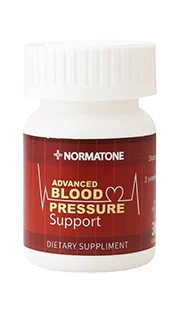
Normatone
Magnesium, calcium, potassium and L-carnitine capsules for heart wellness
KES 6,750
Order page
Mineral ingredient
Magnesium is an essential mineral involved in hundreds of enzyme reactions, and one of the nutrients most people under-consume. Its supplement forms differ sharply in absorption and in how kindly they treat the digestive system.

Magnesium is a dietary mineral required for muscle and nerve function, blood glucose regulation, blood pressure regulation and bone structure. Adults need several hundred milligrams a day.
Food sources include leafy greens, legumes, nuts, seeds and whole grains — foods that feature strongly in African diets when they are not displaced by refined staples.
Magnesium is a nutrient rather than a traditional remedy. Beans, groundnuts, green leafy vegetables and whole maize are the region’s natural sources.
Good to know. Supplements containing magnesium are food supplements, so their labels describe support for everyday wellbeing.
Magnesium is essential for muscle, nerve and energy metabolism, and keeping intake adequate is straightforward, everyday nutrition.
Supplementation has been studied in connection with healthy blood pressure, sleep quality and muscle comfort, which is why magnesium appears in heart, sleep and recovery formulas.
Many people eat less than the recommended amount, and a daily supplement is an easy way to close that gap.

Magnesium appears in multivitamins, cardiovascular formulas, sleep products and muscle-recovery blends. Common forms are citrate, glycinate, oxide, malate and chloride.
Loose stools and abdominal cramping, particularly with oxide and citrate forms.
Can reduce absorption of some antibiotics and of bisphosphonates; separate doses by at least two hours. May add to the effects of blood pressure medication.
Anyone with reduced kidney function, anyone on regular antibiotics or bisphosphonates, and anyone taking diuretics long term.

Products documented in African markets whose supplier material names this ingredient.
Magnesium, calcium, potassium and L-carnitine capsules for heart wellness
KES 6,750
Order page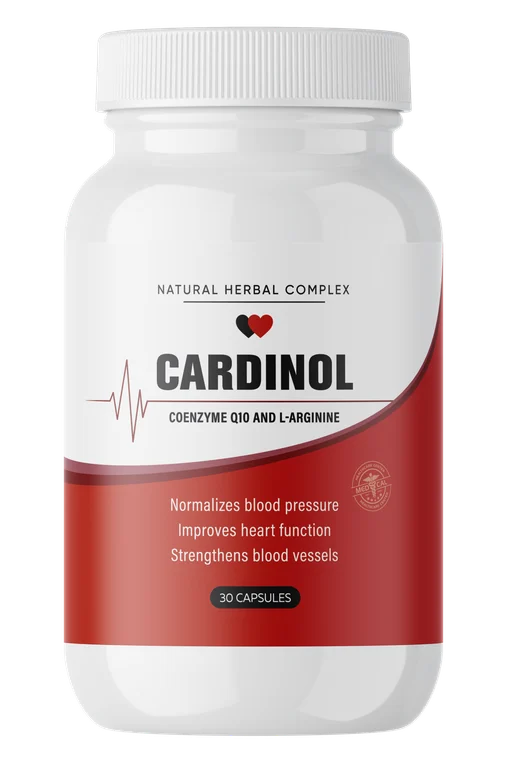
Seven-ingredient heart and circulation capsules with olive leaf and hawthorn
GHS 499
Order pageGlycinate is commonly chosen because it is gentle on digestion. Take it in the evening as part of calm bedtime habits.
Roughly 300 mg, but absorption is poor. This is why reading the elemental figure matters more than the compound weight.
Medical disclaimer. BioMedic Africa publishes consumer health information and supplement research summaries. It is not a pharmacy, a clinic or a medicines regulator, and nothing here is a diagnosis, a prescription or a treatment plan. Dietary supplements are foods, not medicines: they are not intended to diagnose, treat, cure or prevent any disease. Speak with a pharmacist or a qualified healthcare professional before starting any supplement, especially if you are pregnant or breastfeeding, under 18, living with a long-term condition, or taking prescription medication.