
Regulation hub
Supplement, Medicine, Herbal or Cosmetic: How Products Are Classified and Who Regulates Them
Educational information about the categories regulators use and what each means for a buyer. This is not legal advice, and we make no claim that any specific product is officially approved.

Almost everywhere in the region, a dietary supplement is legally a food rather than a medicine. That single fact explains most of what follows — including how labels are worded, and what a registration number on a pack actually confirms.

Five categories, five sets of rules
- Medicines. Authorised on evidence of efficacy and safety for a stated indication. May make treatment claims. Some require a prescription.
- Dietary and food supplements. Regulated as foods. Supply nutrients or other substances in concentrated form. May not claim to treat, prevent or cure disease.
- Nutritional and dietetic products. Foods for particular nutritional uses, such as infant formula or medical nutrition, with their own compositional rules.
- Herbal and traditional products. Handled differently by country. Ghana registers herbal medicinal products; elsewhere most packaged herbals are treated as food-type products.
- Cosmetics. Applied to the body surface. May not make therapeutic claims, and are regulated separately from anything swallowed.
Regulators in the countries we cover
| Country | Regulator | Standards body | Consumer-visible check |
|---|---|---|---|
| Kenya | Pharmacy and Poisons Board (PPB) | Kenya Bureau of Standards (KEBS) | Licensed outlet on the regulator’s register |
| Uganda | National Drug Authority (NDA) | Uganda National Bureau of Standards (UNBS) | Licensed outlet on the regulator’s register |
| Tanzania | Tanzania Medicines and Medical Devices Authority (TMDA) | Tanzania Bureau of Standards (TBS) | Licensed outlet on the regulator’s register |
| Ghana | Food and Drugs Authority (FDA Ghana) | Ghana Standards Authority | FDA Ghana registration number on the pack |
| Nigeria | National Agency for Food and Drug Administration and Control (NAFDAC) | Standards Organisation of Nigeria (SON) | NAFDAC registration number on the pack |
| South Africa | South African Health Products Regulatory Authority (SAHPRA) | — | Prescribed complementary medicine disclaimer |
| Rwanda | Rwanda Food and Drugs Authority (Rwanda FDA) | Rwanda Standards Board (RSB) | Licensed outlet on the regulator’s register |
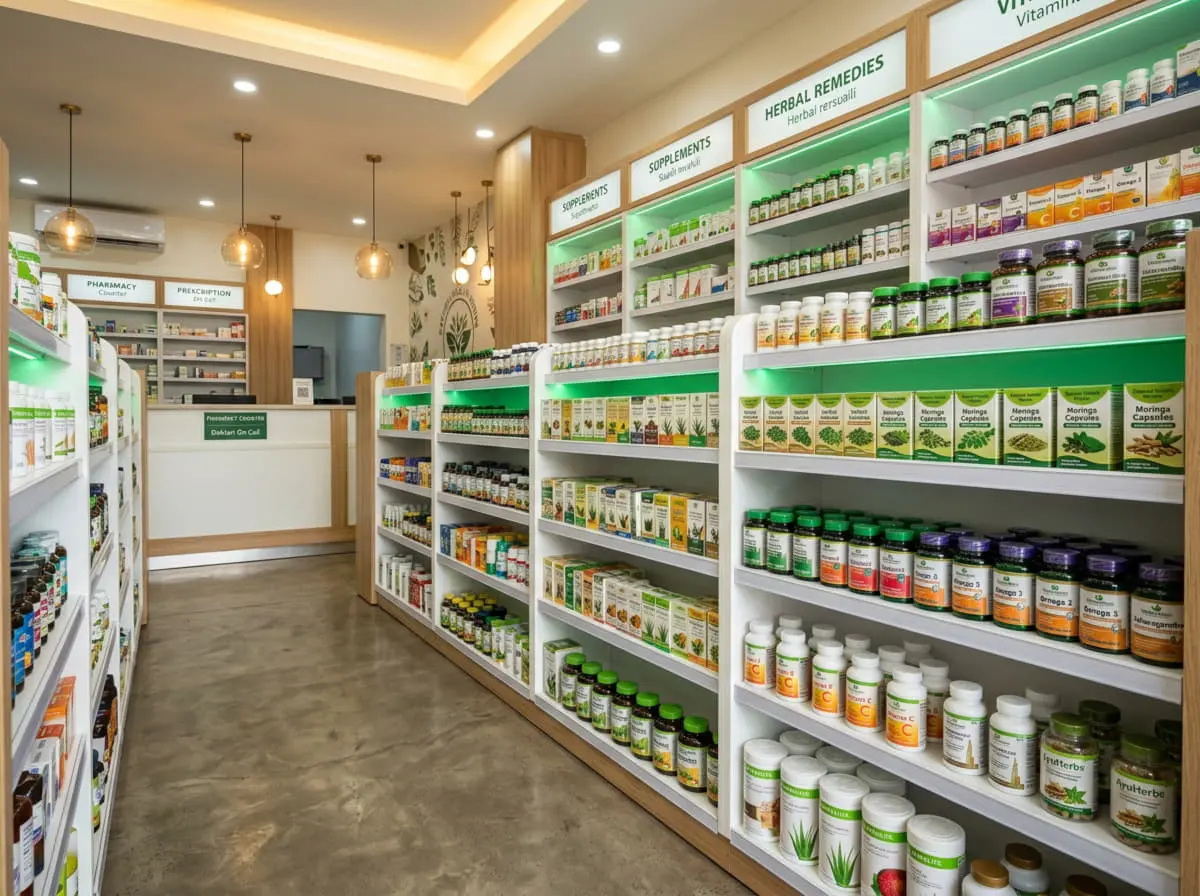
What does supplement registration mean?
Registration confirms that a dossier was submitted and the applicable requirements were met. Ordering through the seller’s order page and a quick look at the pack on delivery complete the picture.
About registration. BioMedic Africa does not state that any product on this site is officially approved, registered or endorsed by a regulator. Where a country requires a registration number, it is printed on the pack.
What a supplement may and may not say
Permitted language describes composition and nutrient function: contains, provides, supports normal function, commonly used for. Prohibited language claims a therapeutic effect: treats, cures, prevents, reverses, or names a disease as the thing the product acts on.
This is the most practical rule on the page. When you see a supplement advertised as treating hypertension, diabetes, arthritis or prostatitis, the seller is operating outside the framework — and in practice, the products making the boldest claims are disproportionately the ones with quality problems.
How to report a problem
Keep the pack, the receipt and any photographs, and report to the national regulator. Consumer reports are how enforcement priorities are set and how public alerts get issued.
Frequently asked questions
Are dietary supplements tested before sale in Africa?
Not in the way medicines are. They are generally regulated as foods, which means labelling and quality requirements rather than efficacy trials. Registration confirms a dossier was submitted, not that a product works.
What is the difference between a medicine and a supplement?
A medicine is authorised on evidence of efficacy and safety for a stated indication and may make treatment claims. A dietary supplement is a food, may not make treatment claims, and has not been assessed for efficacy.
Which country has the clearest rules?
South Africa has the most explicit framework for complementary medicines, with a prescribed disclaimer on packs. Nigeria and Ghana operate active registration systems with consumer-visible numbers.
Is a herbal product a medicine?
It depends on how it is presented and registered. Ghana registers herbal medicinal products separately from food supplements. Elsewhere, most packaged herbal products are handled as food-type products.
Medical disclaimer. BioMedic Africa publishes consumer health information and supplement research summaries. It is not a pharmacy, a clinic or a medicines regulator, and nothing here is a diagnosis, a prescription or a treatment plan. Dietary supplements are foods, not medicines: they are not intended to diagnose, treat, cure or prevent any disease. Speak with a pharmacist or a qualified healthcare professional before starting any supplement, especially if you are pregnant or breastfeeding, under 18, living with a long-term condition, or taking prescription medication.