
Kenya
Supplement Regulation in Kenya: Who Regulates What and What It Means for You

Understanding who regulates what in Kenya turns an abstract worry into two concrete checks: is the outlet licensed, and does the label carry what it should.

The two bodies that matter
The Pharmacy and Poisons Board regulates medicines, pharmacy premises and pharmaceutical practice in Kenya. It licenses outlets and publishes registers, and it is the body to contact about an unlicensed pharmacy.
The Kenya Bureau of Standards sets and enforces standards for food-type products, which is how most dietary supplements are classified. Labelling requirements come from this side.
Food, not medicine
Because supplements are regulated as foods, they are assessed on quality and labelling standards rather than registered as medicines.
That is why supplement labels speak of supporting everyday wellbeing, and why a supplement accompanies, and never replaces, treatment prescribed by a doctor.
What this means when you shop
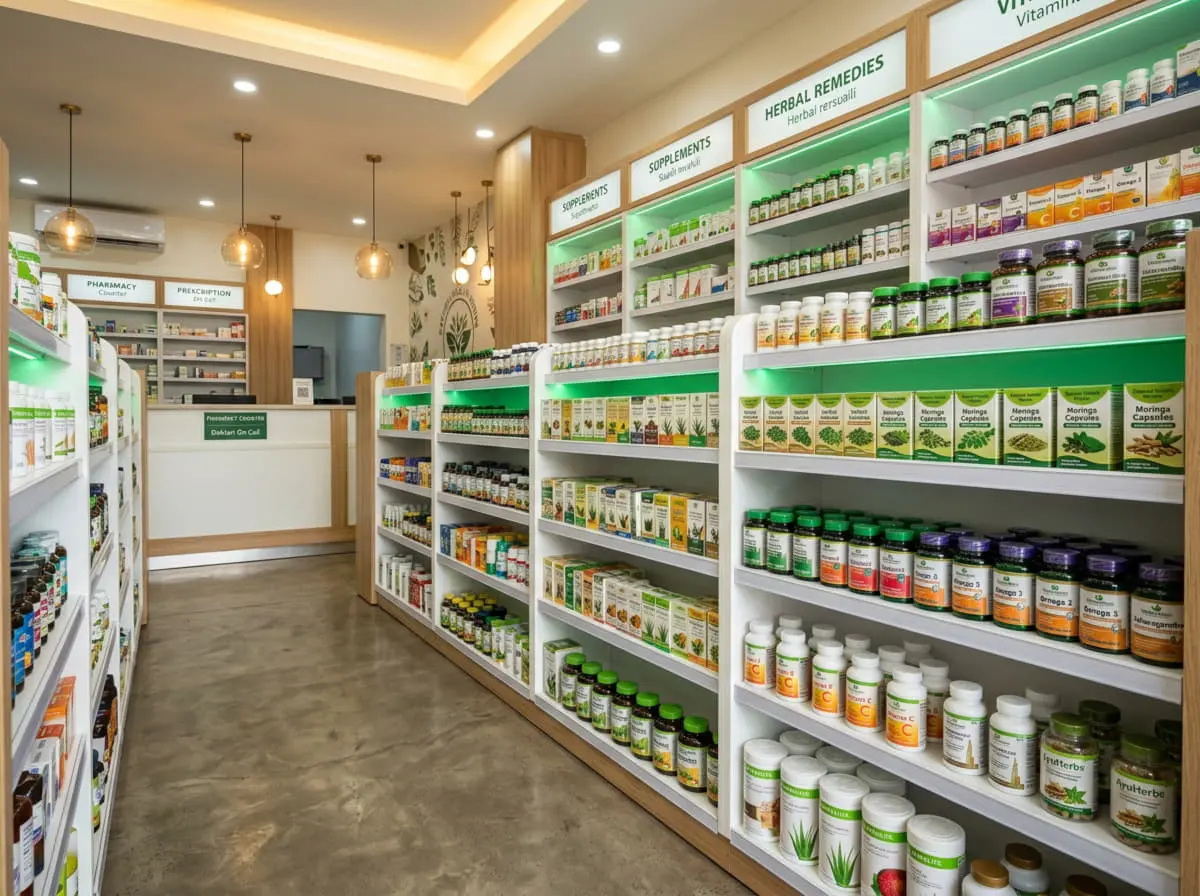
Two checks cover most of the ground. First, the outlet: a licensed pharmacy displays its licence and employs a registered professional. Second, the label: complete ingredient list with amounts, recommended intake, batch number, expiry date and responsible-party details.
Together they take a minute and give you confidence in what you are buying.
Herbal and traditional products
Kenya has a substantial traditional medicine sector alongside the packaged supplement market. Traditional practice and industrially manufactured herbal extracts are different things with different oversight.
A packaged herbal supplement should carry the same labelling as any other supplement: botanical name, plant part, amounts, batch and expiry.

How to report a problem
Keep the pack, the receipt and any photographs. Unlicensed sellers and adverse reactions can be reported to the Pharmacy and Poisons Board.
Reports matter more than most consumers assume — regulators rely on them.

Frequently asked questions
Does the PPB approve supplements?
The Board regulates medicines and pharmacy premises. Most supplements are handled as food-type products under Kenya Bureau of Standards requirements for quality and labelling.
Is a supplement on a pharmacy shelf approved?
Being stocked is not an approval. It means a licensed outlet chose to carry it.
More on the Kenyan market
Related guides
Medical disclaimer. BioMedic Africa publishes consumer health information and supplement research summaries. It is not a pharmacy, a clinic or a medicines regulator, and nothing here is a diagnosis, a prescription or a treatment plan. Dietary supplements are foods, not medicines: they are not intended to diagnose, treat, cure or prevent any disease. Speak with a pharmacist or a qualified healthcare professional before starting any supplement, especially if you are pregnant or breastfeeding, under 18, living with a long-term condition, or taking prescription medication.
Commercial disclosure. Some links on this page lead to an order form operated through a partner network. If you order through them, BioMedic Africa may receive a commission. This never changes the price you pay and does not influence which ingredients or products we describe. Full affiliate disclosure.