
Kenya
Supplements in Kenya: Categories, Prices, Retailers and How to Buy Well

Kenya has the deepest supplement market in East Africa, spread across chain pharmacies, supermarket health aisles, independent chemists, online pharmacies and marketplaces. This page maps the whole thing so you can find your way around it.
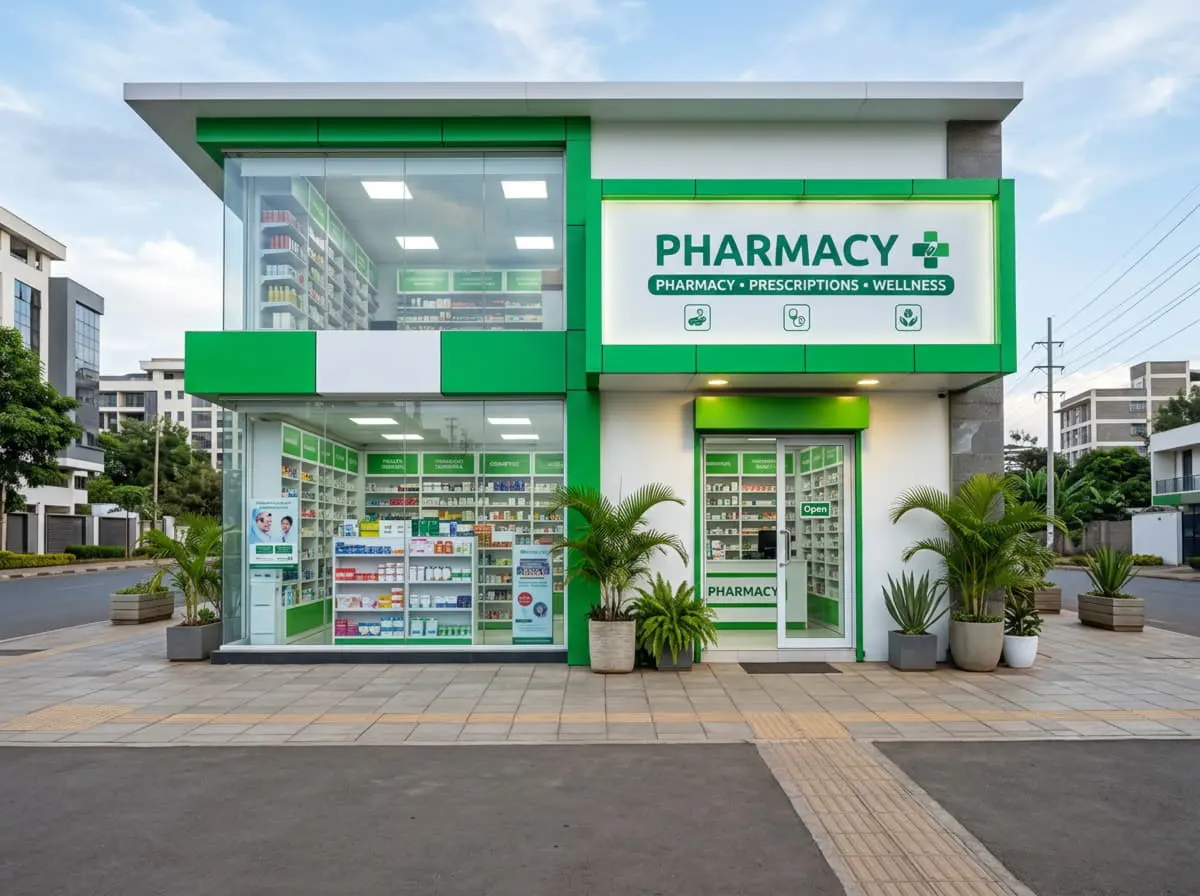
How the Kenyan supplement market is structured
Four channels dominate. Chain pharmacies such as Goodlife, Haltons and Pharmaplus carry mainstream vitamin and mineral brands with pharmacist advice available. Supermarket pharmacies and health aisles at Naivas, Carrefour and Quickmart cover the everyday end. Independent chemists serve neighbourhoods and smaller towns. Online marketplaces such as Jumia and Kilimall host third-party sellers at every price point.
A fifth channel sits alongside these: direct-response selling, where a product is advertised online, ordered through a form or a call centre, and delivered with payment on receipt. Most of the products documented in our catalogue reach Kenyan buyers this way.
Which categories sell most
Joint products, cardiovascular and blood pressure formulas, glucose support, men’s health and general multivitamins account for the bulk of supplement demand in Kenya. That mix reflects the country’s epidemiology — hypertension and type 2 diabetes are both rising sharply in urban populations.
Immune products saw a large expansion in recent years, and vitamin C and zinc remain among the highest-volume individual products in pharmacy retail.

What things cost
Prices vary by an order of magnitude between channels for broadly similar products. A basic vitamin C or multivitamin from a supermarket aisle sits at the low end. Pharmacy-stocked international brands sit considerably higher. Direct-order products in our catalogue sell for roughly 4,900 to 6,900 shillings per pack.
The most useful comparison is cost per day at a comparable dose, not the price on the shelf. A cheaper pack with half the dose and a two-capsule serving is often the more expensive option.
Regulation and what it means for you
The Pharmacy and Poisons Board regulates medicines, pharmacies and pharmaceutical premises in Kenya and publishes a register of licensed outlets. The Kenya Bureau of Standards covers labelling and quality standards for food-type products, which is how most supplements are classified.
For a shopper the practical check is the outlet: a licensed pharmacy displays its licence and employs a registered pharmacist or pharmaceutical technologist, and a direct order line lets you check the pack before paying.
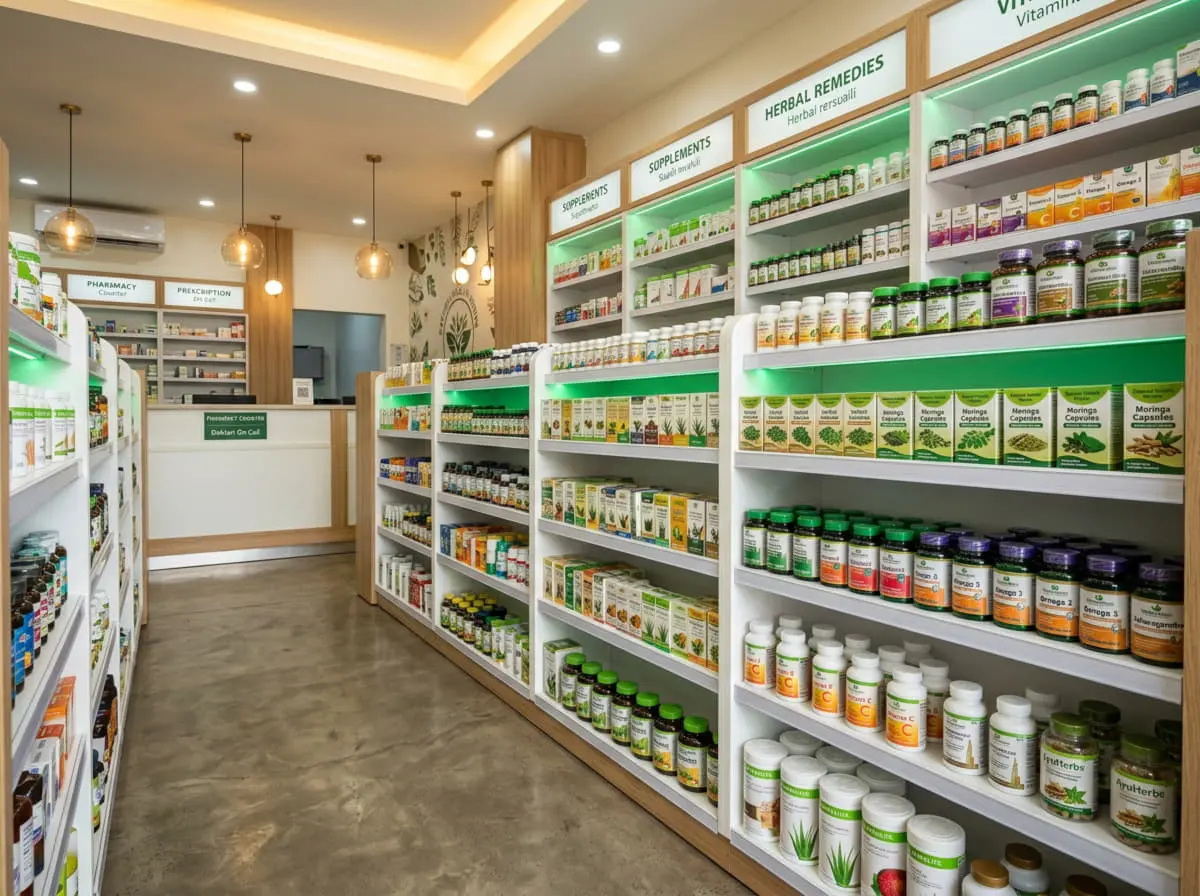
Buying well in Kenya
The habits that protect you are simple and they work across every channel.
- Check the label for ingredient amounts, batch number and expiry before paying
- Use cash on delivery as an inspection opportunity, not just a payment method
- Ask a pharmacist about interactions if you take any prescribed medicine
- Compare cost per day rather than price per pack
- Remember a supplement accompanies, and never replaces, prescribed treatment

Frequently asked questions
Are supplements regulated in Kenya?
They are generally treated as food-type products under Kenya Bureau of Standards requirements, while pharmacies and medicines fall under the Pharmacy and Poisons Board. That is why labels describe support for everyday wellbeing rather than treatment.
Which is cheaper — pharmacy or marketplace?
Marketplaces are often cheaper, but seller accountability varies. Chain pharmacies cost more and offer advice, traceability and easier recourse.
More on the Kenyan market
Vitamins in Kenya
Dietary supplements in Kenya
Where to buy supplements in Kenya
Supplement prices in Kenya
Related guides
How to choose a dietary supplement
How to order supplements online
How to check your pack on delivery
Medical disclaimer. BioMedic Africa publishes consumer health information and supplement research summaries. It is not a pharmacy, a clinic or a medicines regulator, and nothing here is a diagnosis, a prescription or a treatment plan. Dietary supplements are foods, not medicines: they are not intended to diagnose, treat, cure or prevent any disease. Speak with a pharmacist or a qualified healthcare professional before starting any supplement, especially if you are pregnant or breastfeeding, under 18, living with a long-term condition, or taking prescription medication.
Commercial disclosure. Some links on this page lead to an order form operated through a partner network. If you order through them, BioMedic Africa may receive a commission. This never changes the price you pay and does not influence which ingredients or products we describe. Full affiliate disclosure.