
Kenya
Supplement Prices in Kenya: What Things Cost and How to Judge Value

Prices for similar supplements in Kenya vary by several thousand shillings depending on channel, brand and dose. This page explains why, and gives you a calculation that cuts through it.
What drives the spread
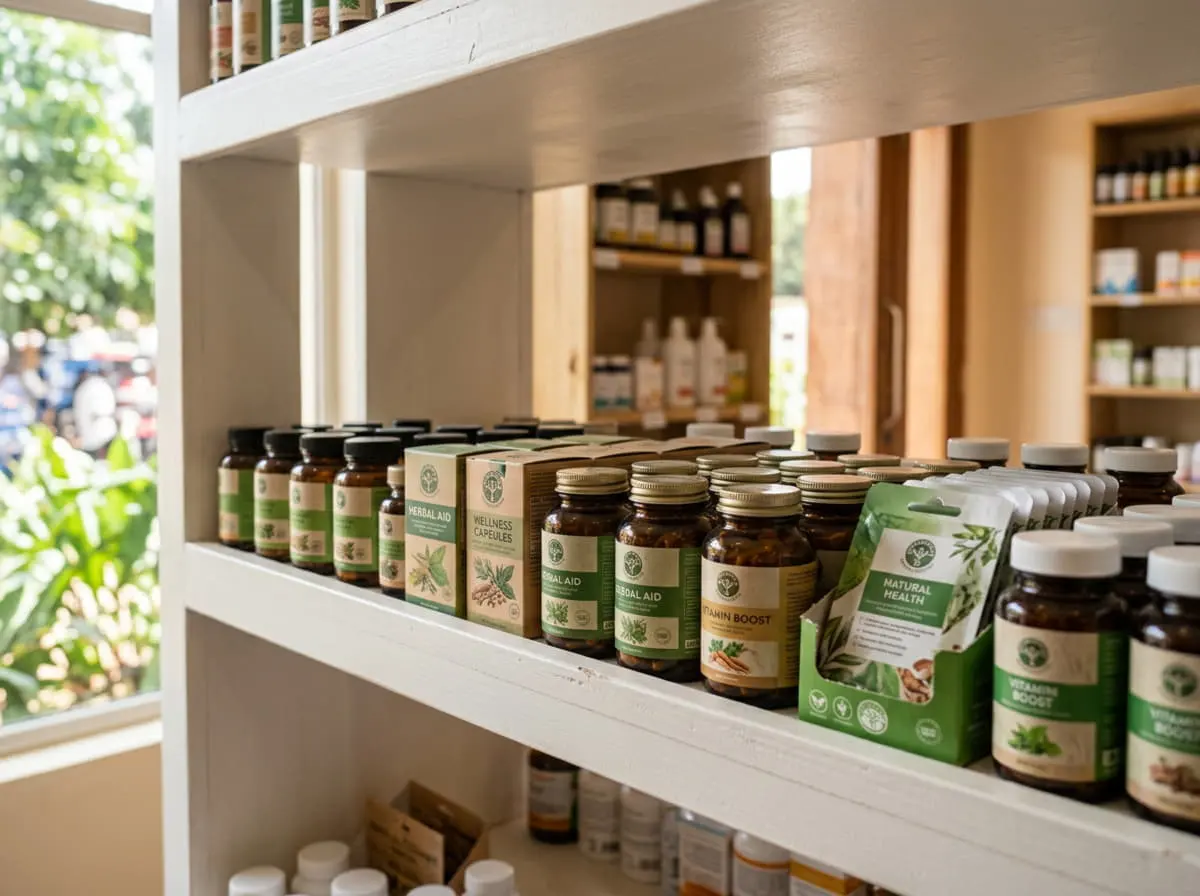
Four things: channel (supermarket, pharmacy, marketplace, direct order), whether the brand is imported or local, the dose per serving, and how many capsules make a serving.
The last two are invisible on a shelf price and often account for most of the apparent difference.
Typical ranges by category
Direct-order products in our catalogue sell for roughly 4,900 to 6,900 shillings per pack across joint, cardiovascular, glucose, prostate and men’s categories.
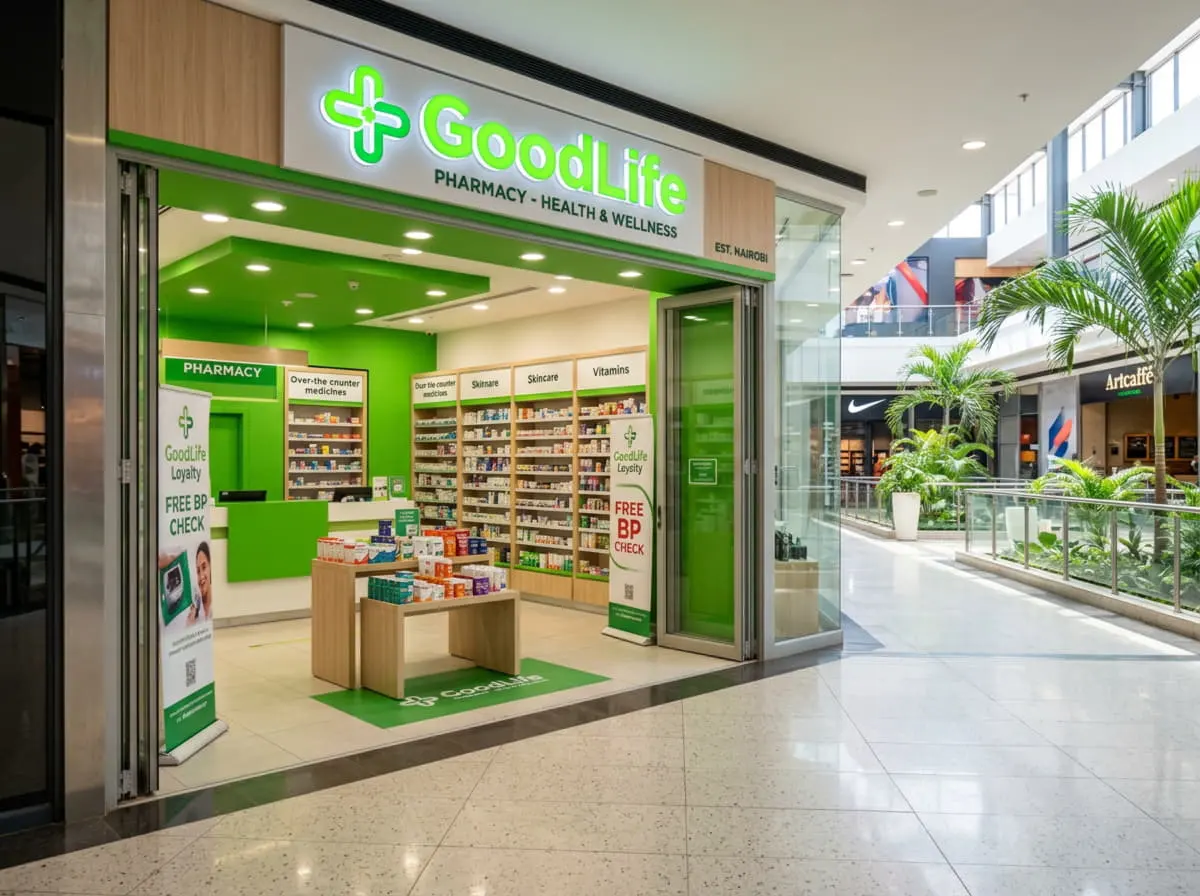
Pharmacy-stocked vitamins and minerals span a much wider range, from a few hundred shillings for a basic vitamin C to several thousand for imported multi-ingredient formulas. Supermarket health aisles sit at the lower end of that range.
The calculation that matters
Take the pack price, divide by the number of servings, and note the amount of active ingredient per serving. That gives cost per unit of what you are actually buying.
Applied across a shelf, this frequently reverses the apparent ranking. A cheaper pack at half the dose with a two-capsule serving costs more per gram than the premium product beside it.
- Pack price ÷ servings per pack = cost per serving
- Cost per serving ÷ mg of active ingredient = cost per unit of active
- Multiply by the daily serving on the pack to get your cost per day
Promotional pricing in direct-order selling
Direct-order products often come with promotional prices, and some offers apply to multi-pack courses, which lowers the cost per day.
The adviser confirms the total including delivery on the confirmation call, so you know exactly what to pay when the courier arrives.


Frequently asked questions
Why is the same supplement cheaper on Jumia?
Marketplace sellers have lower overheads, and prices vary from seller to seller. Check the seller’s rating and the pack on delivery.
Are expensive imported brands better?
Price follows brand, dose and channel. Compare the label, the daily serving and the cost per day rather than the country of origin.
More on the Kenyan market
Related guides
Medical disclaimer. BioMedic Africa publishes consumer health information and supplement research summaries. It is not a pharmacy, a clinic or a medicines regulator, and nothing here is a diagnosis, a prescription or a treatment plan. Dietary supplements are foods, not medicines: they are not intended to diagnose, treat, cure or prevent any disease. Speak with a pharmacist or a qualified healthcare professional before starting any supplement, especially if you are pregnant or breastfeeding, under 18, living with a long-term condition, or taking prescription medication.
Commercial disclosure. Some links on this page lead to an order form operated through a partner network. If you order through them, BioMedic Africa may receive a commission. This never changes the price you pay and does not influence which ingredients or products we describe. Full affiliate disclosure.