
Health guide
How to Compare Supplement Brands: A Practical Four-Step Method

Brand comparison is easier than it looks. This framework gives you four checks that lead to a confident choice in a couple of minutes.
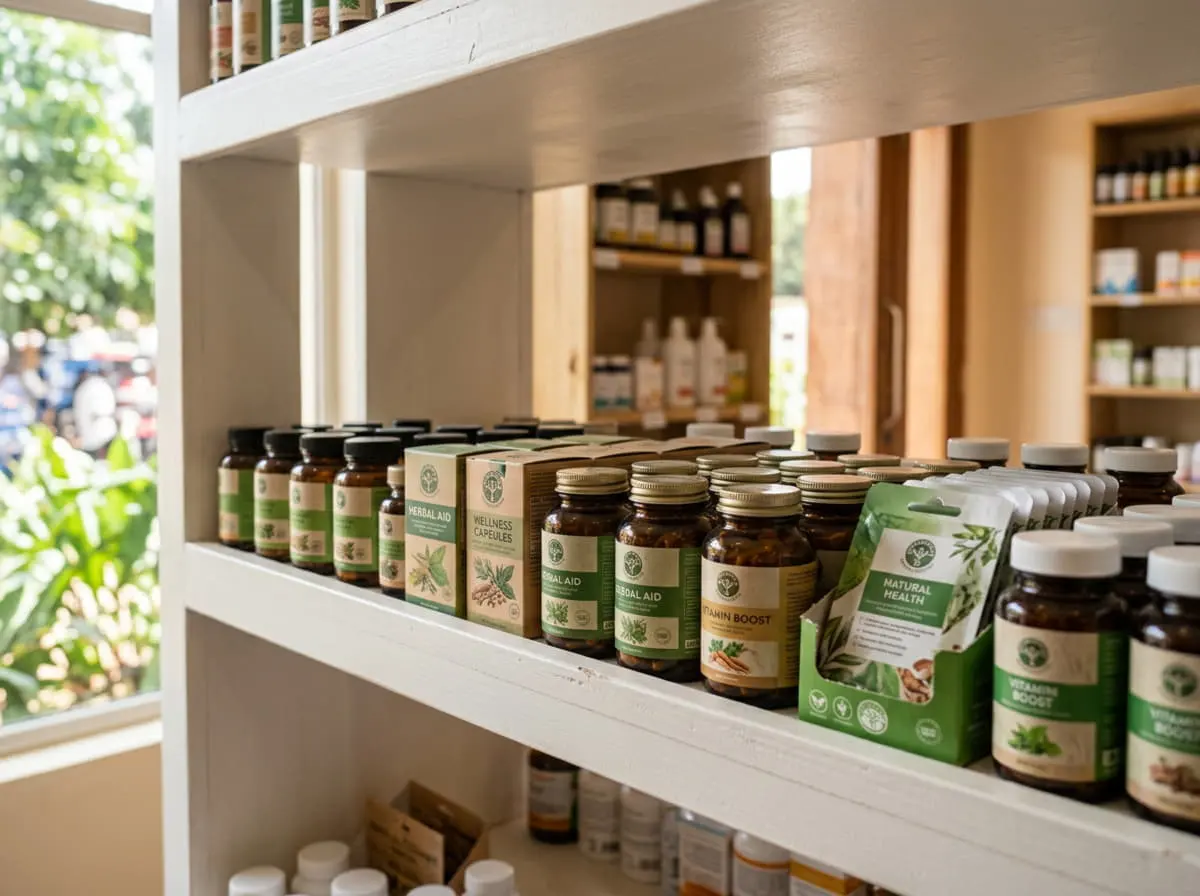
Calculate cost per daily dose
Take the price, divide by the number of servings in the pack, and note how much of the active ingredient each serving contains. That gives the cost per day of the thing you are actually buying.
This one calculation often reorders a shelf: the pack with the lowest price is not always the lowest cost per day.
Read the full label
A label that states the ingredients, the chemical form, the botanical species and the daily dose gives you everything you need to compare. Where a formula is given as a blend, the full composition is printed on the pack and the adviser reads it out on the confirmation call.
Put the details side by side and the comparison becomes simple.

Look for manufacturing details
Useful details include a named manufacturing standard, a statement of quality testing, a manufacturer name, and a national registration number where required.
Together with a batch number and an expiry date on every unit, they show a product made to a consistent standard.
- Named manufacturing standard and site
- Quality testing statement
- Batch number and expiry on every unit
- National registration number where required
- A working contact route for questions
Focus on what matters
Dose, ingredient form and how the product fits your day matter more than the size of the pack or the design of the box.
Read the number on the front together with the form: a well-absorbed form at a sensible dose can serve you better than a larger number in a less absorbable form.
Then judge on your own experience
After the comparison, give your chosen product a steady trial at the daily dose on the pack, for the period recommended, and note how it suits daily life.
Make one change at a time so you can see clearly what each product brings, and set a review date so your plan stays focused.

Frequently asked questions
Are international brands better than local ones?
Not automatically. Compare on the label, the dose and the manufacturing details. Locally produced moringa or baobab is often fresher and cheaper than an imported equivalent.
What about pharmacy own-brand products?
Often good value. They are typically made by the same contract manufacturers as branded equivalents, with the same labelling obligations.
Related guides
How to read a supplement label
How to choose a dietary supplement
Checking ingredients for allergies and medicines
Continue reading
Medical disclaimer. BioMedic Africa publishes consumer health information and supplement research summaries. It is not a pharmacy, a clinic or a medicines regulator, and nothing here is a diagnosis, a prescription or a treatment plan. Dietary supplements are foods, not medicines: they are not intended to diagnose, treat, cure or prevent any disease. Speak with a pharmacist or a qualified healthcare professional before starting any supplement, especially if you are pregnant or breastfeeding, under 18, living with a long-term condition, or taking prescription medication.