
Health guide
How to Order Supplements Online in Africa: Routes, Payment on Delivery and Your Data

Ordering a supplement online in Africa is simple when the route is clear. Sellers’ order pages, licensed pharmacy websites and large marketplaces each work in their own way, and a few habits make every order smooth.
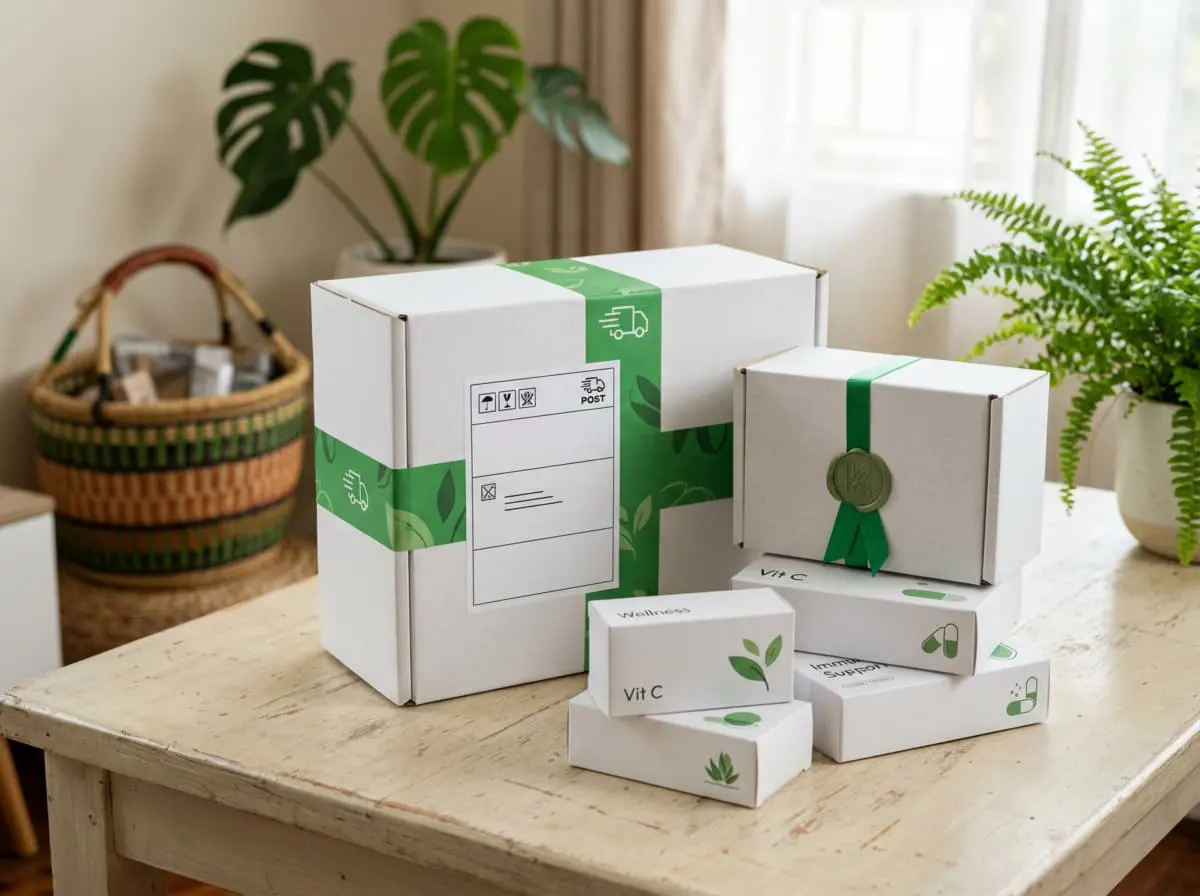
Which online ordering route should you use?
Sellers’ order pages take your name and phone number, confirm the order with a call and deliver with payment on arrival. Licensed online pharmacies are regulated premises with a pharmacist. Marketplaces such as Jumia, Takealot, Kilimall and Konga host third-party sellers under platform rules.
Each can work well. The seller’s order page is the most direct: one product, one confirmation call, one courier, and nothing to pay until the parcel is in your hands.
How do you know who you are ordering from?
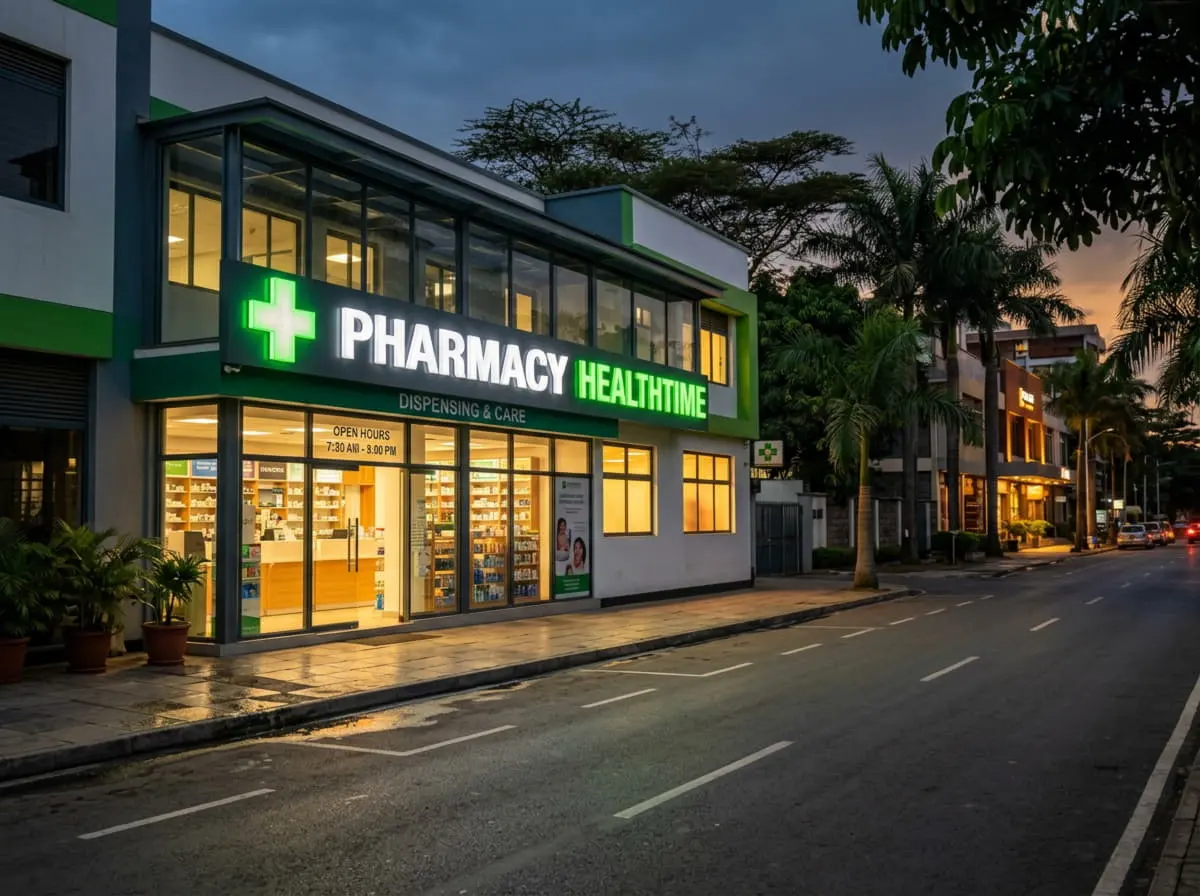
For the seller’s order page, the confirmation call tells you the product, the pack size and the total. For an online pharmacy, look for a physical address, a named pharmacist and a licence reference — regulators in Kenya, Uganda, Tanzania and elsewhere publish registers of licensed premises.
For a marketplace seller, look at the rating, the number of completed sales and recent reviews.

How does payment on delivery work?
An adviser confirms by phone that the courier delivers to your area, the courier brings the parcel, and you pay in cash when it is in your hands. No card, no bank transfer and no prepayment.
A quick look at the product name and expiry date before you pay takes two minutes — the steps are in our guide to checking your pack on delivery.
What personal data does an order need?
A supplement order needs a name, a phone number and a delivery address. It does not need your identity document, your bank details or your medical history.
Where payment on delivery is standard, there is no need to pay in advance or to transfer money to a personal account.
Which order records should you keep?
Keep the order confirmation, the delivery note and a photograph of the pack label. They make any later question about the order quick to answer, and the label photo is handy when you talk to a pharmacist.
- Note the product, pack size and total price agreed on the call
- Photograph the pack label with the batch and expiry
- Keep any SMS or call confirmation of the order
- Note the courier company and tracking reference

Frequently asked questions
Is it better to order supplements from abroad?
Imported parcels may be held by customs and take longer to arrive. For daily-use products, ordering locally with payment on delivery is simpler and faster.
What if the courier will not let me open the parcel?
Ask before paying. Many couriers allow you to look at the pack. If not, photograph the sealed parcel before opening so you have a record.
Related guides
Continue reading
Medical disclaimer. BioMedic Africa publishes consumer health information and supplement research summaries. It is not a pharmacy, a clinic or a medicines regulator, and nothing here is a diagnosis, a prescription or a treatment plan. Dietary supplements are foods, not medicines: they are not intended to diagnose, treat, cure or prevent any disease. Speak with a pharmacist or a qualified healthcare professional before starting any supplement, especially if you are pregnant or breastfeeding, under 18, living with a long-term condition, or taking prescription medication.