
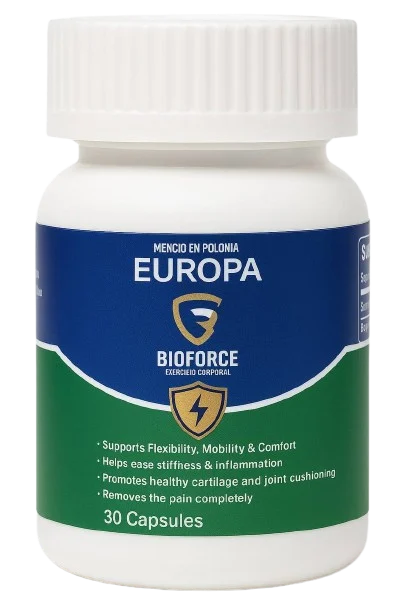
Kenya
Bioforce
Six-ingredient joint capsules with glucosamine, chondroitin and boswellia for over-40s
KES 6,750
Order page
Vitamin ingredient
Also known as Cholecalciferol (D3), ergocalciferol (D2)
Vitamin D is made in skin exposed to sunlight, which makes its status in equatorial Africa more complicated than latitude alone suggests. Indoor work, clothing and skin pigmentation all shift the picture.

Vitamin D regulates calcium and phosphate absorption and is essential for bone mineralisation and immune function. The body makes it when UVB light reaches the skin.
Deeper skin pigmentation requires longer sun exposure to make the same amount, and urban indoor lifestyles reduce exposure further — which is why low vitamin D status is documented even in sunny regions.
There is no traditional vitamin D supplement; historically sunlight and small amounts from fish and eggs supplied it. Supplementation is a modern response to changed lifestyles.
Good to know. Supplements containing vitamin d are food supplements, so their labels describe support for everyday wellbeing.
The role of vitamin D in maintaining healthy bones and teeth is firmly established, and it also contributes to normal immune and muscle function.
Low vitamin D status has been documented in African urban populations, which makes a daily maintenance dose a practical choice for people who spend most of the day indoors.
For high-dose regimens, a blood test lets the dose be matched to your actual level.

Vitamin D appears alone, in bone formulas with calcium and vitamin K2, and in nearly all multivitamins. D3 is the more effective form for raising blood levels.
None at ordinary doses. Excess causes nausea, thirst, frequent urination and kidney problems through raised calcium.
Relevant with thiazide diuretics, digoxin and some anticonvulsants and steroids. Check with a pharmacist if you take these.
Anyone considering doses above the standard daily amount, anyone with sarcoidosis or kidney stones, and anyone with a raised calcium level.
Products documented in African markets whose supplier material names this ingredient.
Six-ingredient joint capsules with glucosamine, chondroitin and boswellia for over-40s
KES 6,750
Order page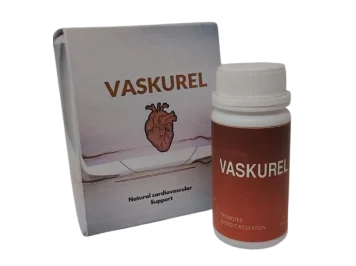
African mango, vitamin D, CoQ10 and red yeast rice capsules for heart wellbeing
₦59,000
Order pageYes. Indoor work, covering clothing and darker skin pigmentation all reduce production, and low status has been documented in African urban populations.
For maintenance doses, no. Before starting a high-dose regimen, a test is a sensible step and allows the dose to be matched to your actual level.
Medical disclaimer. BioMedic Africa publishes consumer health information and supplement research summaries. It is not a pharmacy, a clinic or a medicines regulator, and nothing here is a diagnosis, a prescription or a treatment plan. Dietary supplements are foods, not medicines: they are not intended to diagnose, treat, cure or prevent any disease. Speak with a pharmacist or a qualified healthcare professional before starting any supplement, especially if you are pregnant or breastfeeding, under 18, living with a long-term condition, or taking prescription medication.