
South Africa
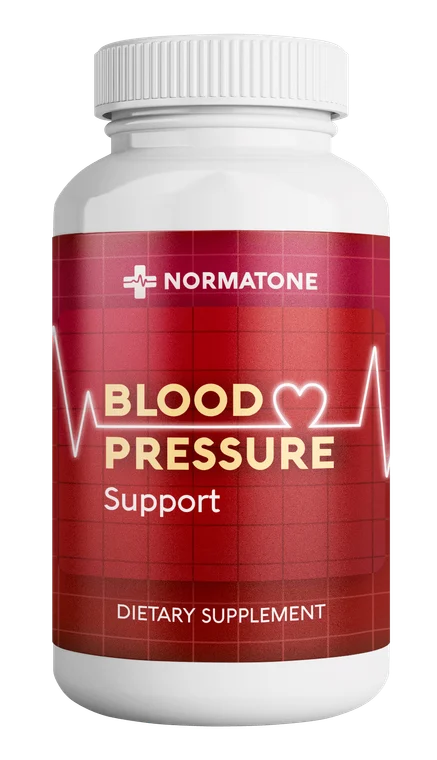
Normatone
Daily capsules for blood pressure support and heart wellbeing in South Africa
R899
Order page
Vitamin ingredient
Also known as Ascorbic acid
Vitamin C is the most-purchased single supplement in Africa and a daily essential the body cannot make for itself. A steady, adequate intake every day is what keeps its many roles running smoothly.
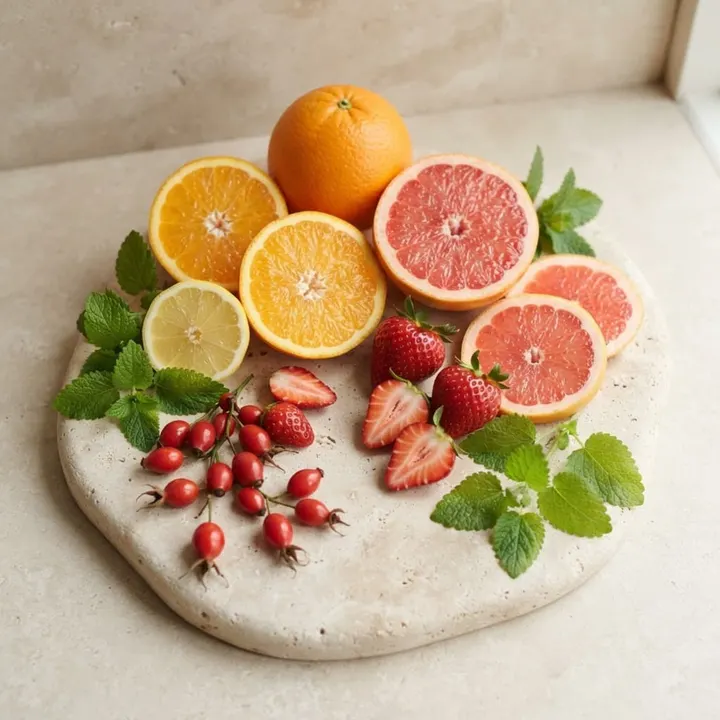
Vitamin C is a water-soluble vitamin required for collagen synthesis, immune function, wound healing and iron absorption from plant foods. Humans cannot make it.
Adult requirements are easy to meet — under 100 mg a day — and are met by a few servings of fruit and vegetables. Guava, baobab, citrus, mango and dark leafy greens are all excellent regional sources.
Regional foods such as baobab pulp, guava, mango, oranges and leafy greens have always supplied vitamin C. Supplementation is a modern habit, not a traditional one.
Good to know. Supplements containing vitamin c are food supplements, so their labels describe support for everyday wellbeing.
Vitamin C contributes to normal immune function, collagen formation and iron absorption from plant foods — roles that are firmly established in nutrition science.
Reviews of regular vitamin C intake have reported shorter-lasting colds, with the clearest results in people under heavy physical stress such as regular high-intensity exercisers.
The body absorbs vitamin C best in moderate, regular amounts, which is why a daily dose works better than an occasional large one.

Vitamin C appears as a standalone product and in immune, collagen, iron and multivitamin formulas. Doses on the market range from 100 mg to well over 1000 mg.
Diarrhoea, stomach cramps and nausea at gram-level doses.
Increases non-haem iron absorption, which is useful in iron deficiency but a caution in iron overload. May affect some laboratory tests, including glucose meters at very high doses.
People with a history of kidney stones, people with iron overload conditions, and people on chemotherapy.

Products documented in African markets whose supplier material names this ingredient.
Daily capsules for blood pressure support and heart wellbeing in South Africa
R899
Order page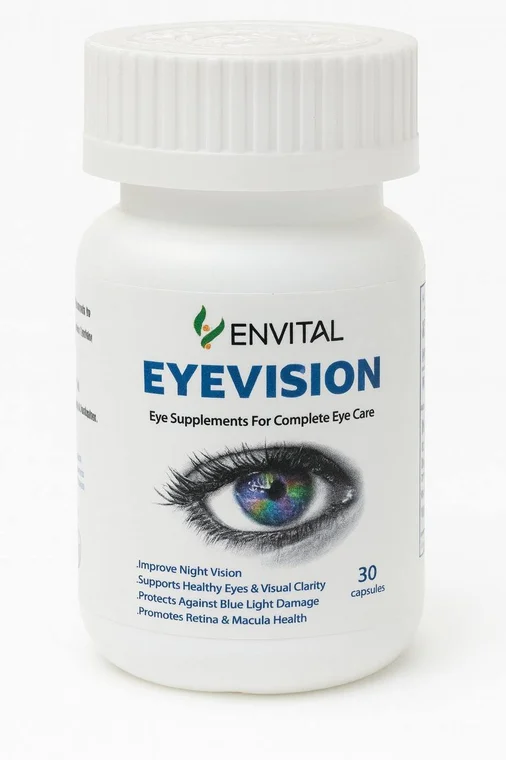
Lutein, zeaxanthin, vitamins A, C, E and zinc for screen-tired eyes
KES 6,750
Order page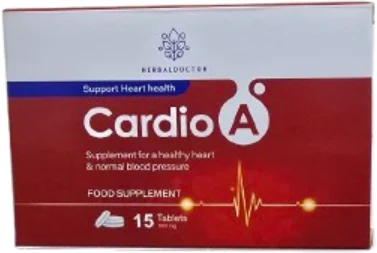
Hawthorn, ginkgo, garlic and nettle with vitamins in a daily heart tablet
UGX 172,000
Order pageVitamin C contributes to normal immune function, and reviews of regular intake have reported shorter-lasting colds, especially in people under heavy physical stress. Take it daily rather than only when a cold starts.
It is well below the upper level for adults. The body absorbs vitamin C best in moderate amounts, so a few hundred milligrams daily, or a larger dose split across the day, works well.
Medical disclaimer. BioMedic Africa publishes consumer health information and supplement research summaries. It is not a pharmacy, a clinic or a medicines regulator, and nothing here is a diagnosis, a prescription or a treatment plan. Dietary supplements are foods, not medicines: they are not intended to diagnose, treat, cure or prevent any disease. Speak with a pharmacist or a qualified healthcare professional before starting any supplement, especially if you are pregnant or breastfeeding, under 18, living with a long-term condition, or taking prescription medication.