
Health topic
Immune Support: Vitamin C, Zinc, Vitamin D and Everyday Nutrition

The immune system works at its best when its nutritional needs are met every day. This guide explains which nutrients it relies on, how immune formulas cover them, and the everyday habits that complete the picture.
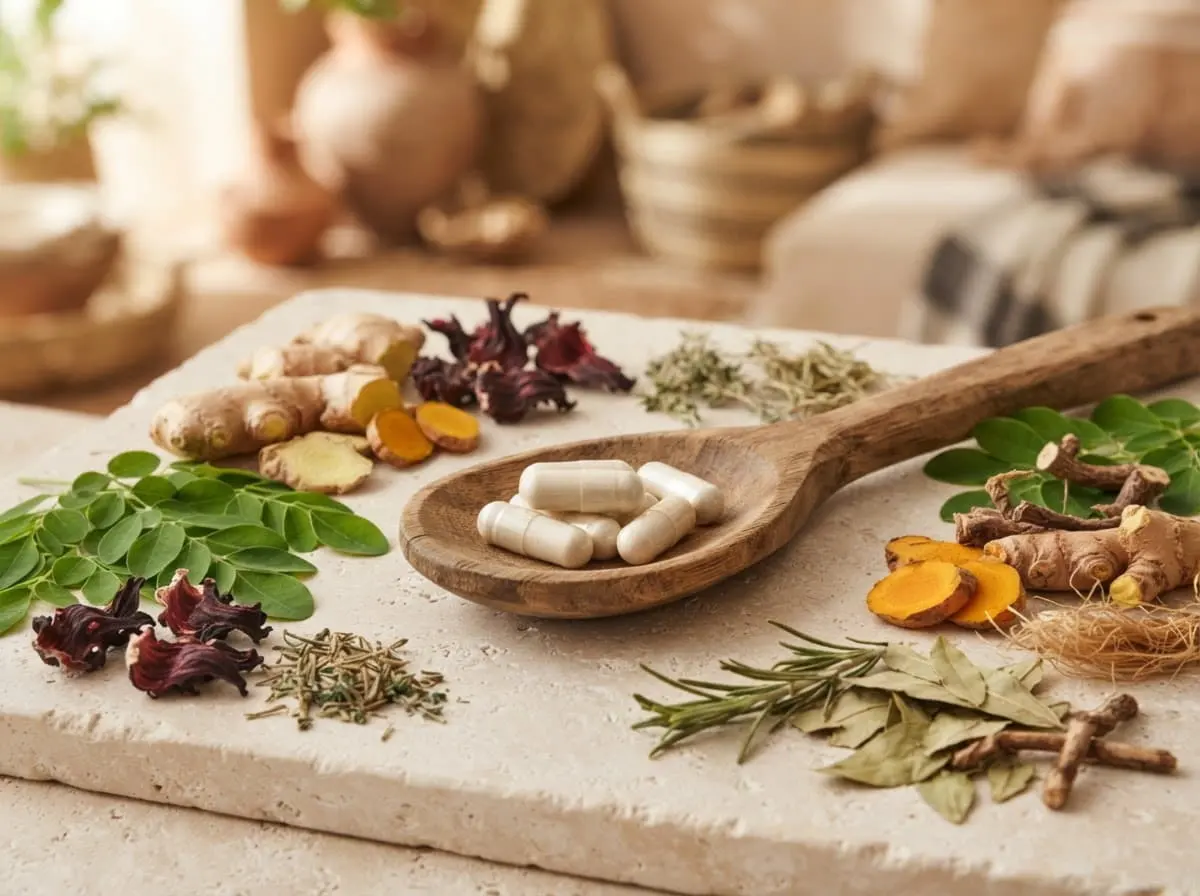
Overview
The immune system depends on several nutrients for normal function — notably vitamin C, vitamin D, zinc, selenium, iron, vitamin A and protein. Deficiency in any of these impairs immune responses.
Vitamin C, zinc and vitamin D contribute to the normal function of the immune system, which is why they form the core of immune formulas.
Balance is the goal: everyday amounts close to recommended intakes, taken consistently, alongside a varied diet, sleep and hygiene.
Common concerns
Frequent infections
Repeated significant infections deserve a doctor’s check, since causes range from diabetes to immune conditions.
Slow recovery from colds
Common and usually unremarkable. Adequate rest, fluid and nutrition are the sensible response.
Poor wound healing
Can indicate zinc deficiency, protein shortfall or undiagnosed diabetes.
Fatigue with frequent illness
Worth a blood test rather than a guess.
Lifestyle factors
Sleep
Sleep deprivation measurably reduces immune responses, including to vaccination.
Diet variety
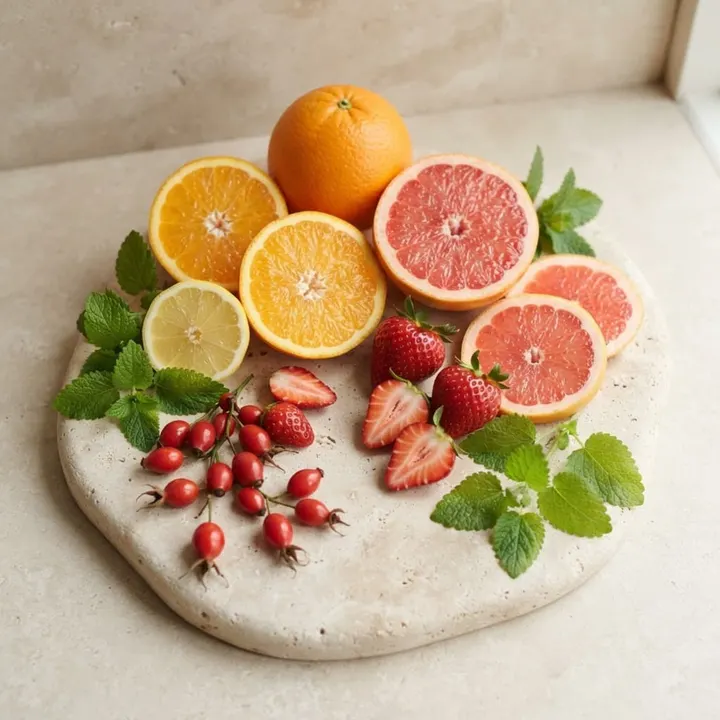
A varied diet with vegetables, fruit, legumes and protein is the foundation, and an immune formula tops up the days when variety is short.
Hand hygiene and food safety
Prevention beats correction, particularly for gastrointestinal infections.
Vaccination
The most effective immune measure available, and the foundation everything else is built on.
Relevant nutrients
Vitamin C, vitamin D, zinc, selenium, iron, vitamin A and protein all have defined roles in immune function. Vitamin D shortfall is common even in sunny regions because of indoor lifestyles, and topping it up is sensible.
Relevant ingredients
Ingredients that appear in products aimed at this topic. Each page explains what the ingredient is, how it is traditionally used and which products contain it.
Vitamin C
Vitamin C is the most-purchased single supplement in Africa and a daily essential the body cannot make for itself.
MineralZinc
Zinc is an essential trace mineral with a real public-health story in sub-Saharan Africa, where dietary intake is often marginal.
VitaminVitamin D
Vitamin D is made in skin exposed to sunlight, which makes its status in equatorial Africa more complicated than latitude alone suggests.
BotanicalMoringa
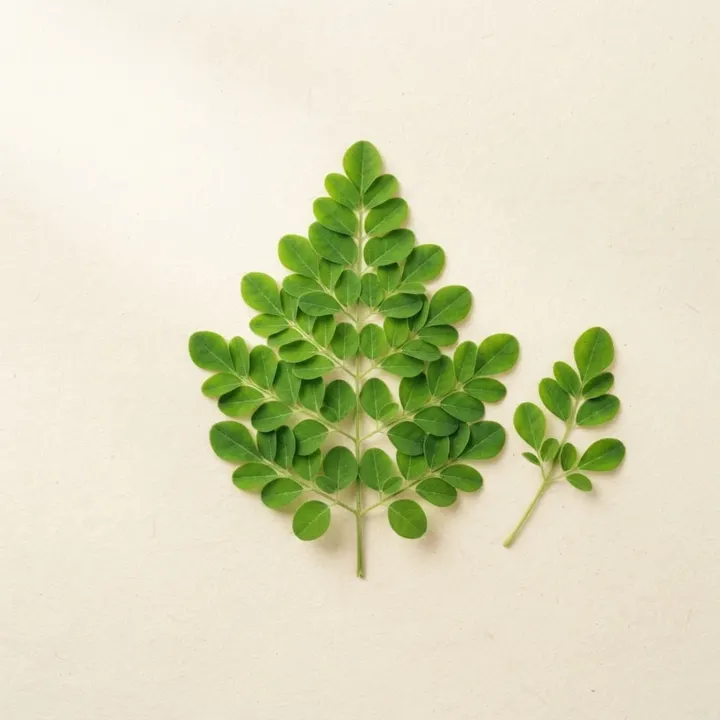
Moringa is the most important home-grown supplement ingredient in Africa.
BotanicalBaobab
Baobab fruit powder is a naturally dry, vitamin C-rich African ingredient that needs no processing to become a supplement.
BotanicalGarlic
Garlic is the most widely studied culinary bulb in cardiovascular nutrition.
Live cultureProbiotics
Probiotics are friendly live cultures that carry on Africa’s long tradition of fermented foods in a convenient capsule.
BotanicalEucalyptus
Eucalyptus is one of the few botanicals that is genuinely naturalised in East Africa, planted across the highlands.
Supplement options
- Vitamin C at ordinary daily doses, or higher short-term doses at the onset of a cold.
- Zinc lozenges for short-term use at the start of cold symptoms.
- Vitamin D where status is low or exposure is limited.
- Food-based products such as moringa or baobab powder, which contribute micronutrients as part of the diet.
How to choose a supplement for immune support
- Prefer products that state doses near recommended intakes rather than many multiples of them.
- Zinc lozenges are for short courses, not daily long-term use.
- Look for the named nutrient and the amount per serving — that is what tells you what a formula supplies.
Safety considerations
- Long-term high-dose zinc causes copper deficiency.
- High-dose vitamin A is toxic and is teratogenic in pregnancy.
- Herbal immune products can interact with immunosuppressant medication.
When to speak with a healthcare professional
See a doctor about any of the following before starting a supplement:
- Repeated serious infections
- Fever lasting more than a few days
- Unexplained weight loss with infections
- Any infection that is not improving as expected
- If you take immunosuppressant medication and want to add a supplement

Related supplement categories
Immune support supplements
Immune formulas are simple: a handful of nutrients that contribute to the normal function of the immune system, plus traditional botanicals.
Vitamins
Vitamins are essential compounds the body needs every day from food.
Minerals
Minerals are inorganic elements the body needs in defined amounts, and their supplements are judged on one number the front of the pack rarely shows: elemental content.
Frequently asked questions
When is vitamin C most useful?
Every day, as part of a varied diet — vitamin C contributes to the normal function of the immune system. Many people also reach for it at the first sign of a cold, together with rest and fluids.
How should I take an immune supplement?
Daily or as a seasonal course, at amounts close to recommended intakes, with water and a meal. Keep diet, sleep and vaccination as the foundation.
Related guides
Sources
This page summarises public health information. These are the bodies it draws on — go to them directly if you want the full text rather than our summary.
- NCCIH — Herbs at a Glance — US National Center for Complementary and Integrative Health: plain-language summaries of what is known about individual botanicals.
- NIH Office of Dietary Supplements — fact sheets — Nutrient-by-nutrient fact sheets with intake levels and interaction notes.
- World Health Organization — Guidance on the conditions these supplements are marketed around.
Medical disclaimer. BioMedic Africa publishes consumer health information and supplement research summaries. It is not a pharmacy, a clinic or a medicines regulator, and nothing here is a diagnosis, a prescription or a treatment plan. Dietary supplements are foods, not medicines: they are not intended to diagnose, treat, cure or prevent any disease. Speak with a pharmacist or a qualified healthcare professional before starting any supplement, especially if you are pregnant or breastfeeding, under 18, living with a long-term condition, or taking prescription medication.