
Health guide
Vitamins and Minerals Explained: What They Do and When a Supplement Helps

Thirteen vitamins and around fifteen essential minerals do the background work of human metabolism. Knowing which ones are genuinely scarce in regional diets turns a confusing shelf into a short, manageable list.

The two kinds of vitamin
Fat-soluble vitamins — A, D, E and K — are stored in the body. They are absorbed with dietary fat and can accumulate to harmful levels, which is why they carry upper limits.
Water-soluble vitamins — the B group and vitamin C — are largely excreted when intake exceeds need. This limits toxicity but means regular intake matters more.
What each of the main vitamins does
A short functional summary is enough for most decisions.
- Vitamin A — vision, immune function, skin. Deficiency remains a cause of childhood blindness in parts of the region
- Vitamin D — calcium absorption, bone, immune function. Made in skin from sunlight
- Vitamin E — antioxidant in cell membranes
- Vitamin K — blood clotting and bone metabolism
- B vitamins — energy metabolism, nerve function, red blood cell formation
- Vitamin C — collagen synthesis, immune function, iron absorption from plant foods

The minerals that matter most
Calcium and magnesium are needed in larger amounts; iron, zinc, iodine and selenium in trace quantities. Their availability from food is affected by what else is on the plate — phytates in unrefined cereals reduce iron and zinc absorption, while vitamin C improves iron uptake.
This interaction matters in diets built on maize, sorghum and millet, where absolute mineral content may look adequate while absorption is not.
Which deficiencies are actually common in Africa
Four stand out in the published nutrition literature for the region: iron deficiency anaemia, particularly in women of reproductive age and young children; vitamin A deficiency in children; iodine deficiency where salt is not iodised; and zinc insufficiency in cereal-based diets.
Vitamin D deficiency is increasingly documented in urban populations despite abundant sunshine, because indoor work and covering clothing reduce exposure and deeper skin pigmentation requires longer exposure for the same synthesis.

Food sources across the region
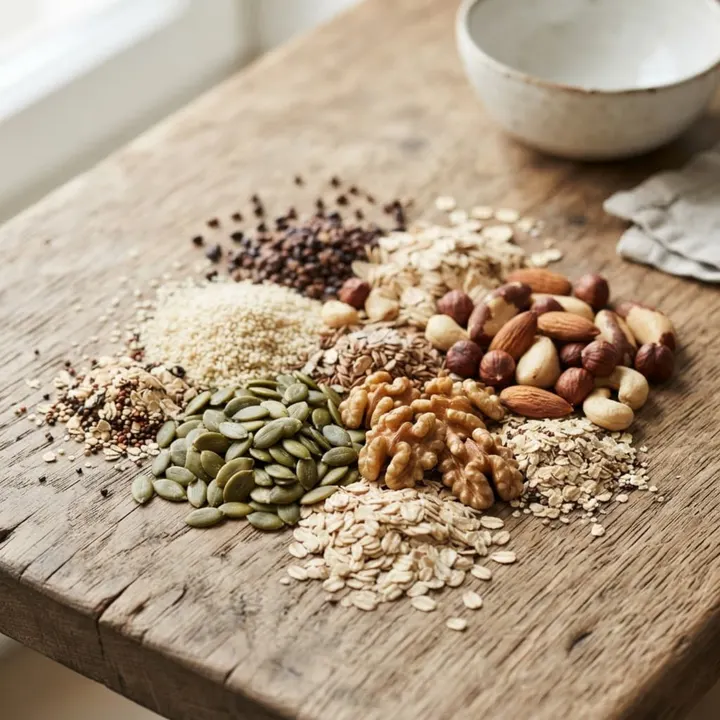
Regional diets contain excellent sources when they are included. Dark leafy greens supply folate, calcium and vitamin A precursors. Small whole fish such as omena and dagaa supply calcium and vitamin D. Groundnuts, beans and pumpkin seeds supply zinc and magnesium. Guava, baobab, mango and citrus supply vitamin C.
The pattern in nutrition transition — refined staples displacing legumes and vegetables — is what creates gaps, and it is also what reverses them.
When a supplement is the right answer
A supplement is the natural choice where food does not easily reach: folic acid before conception, vitamin B12 on a plant-based diet or with metformin use, vitamin D with limited exposure, iron in confirmed deficiency, and zinc in acute childhood diarrhoea under health guidance.
Alongside a varied diet, a well-chosen multivitamin or targeted formula tops up everyday intake. Follow the daily dose on the pack so that combined intake stays within upper limits.
Frequently asked questions
Can I get everything from food?
A varied diet supplies most nutrients. Folic acid before pregnancy and vitamin B12 on a strict plant-based diet are the two clearest cases for a supplement, and many people use a daily multivitamin to top up their diet during busy weeks.
Are natural vitamins better than synthetic?
For most nutrients the body cannot tell the difference. Vitamin E is a partial exception, where the natural form is used slightly more efficiently.
Related guides
Continue reading
Immune support
Health topicBone health
Health topicWomen’s health
CategoryVitamins
CategoryMinerals
CategoryMultivitamins
Medical disclaimer. BioMedic Africa publishes consumer health information and supplement research summaries. It is not a pharmacy, a clinic or a medicines regulator, and nothing here is a diagnosis, a prescription or a treatment plan. Dietary supplements are foods, not medicines: they are not intended to diagnose, treat, cure or prevent any disease. Speak with a pharmacist or a qualified healthcare professional before starting any supplement, especially if you are pregnant or breastfeeding, under 18, living with a long-term condition, or taking prescription medication.