
Kenya
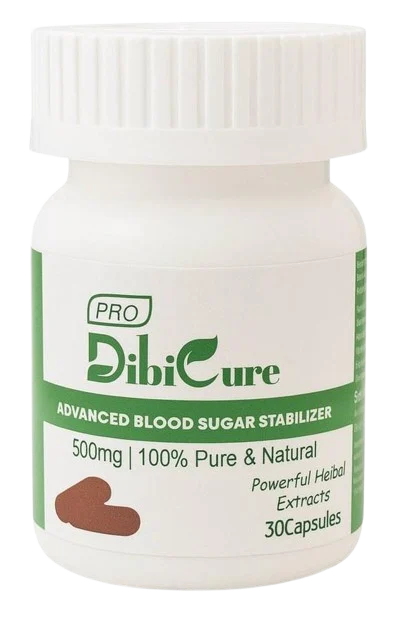
DibiCure
Konjac fibre, Indian barberry and chromium capsules for glucose metabolism
KES 6,750
Order page
Mineral ingredient
Zinc is an essential trace mineral with a real public-health story in sub-Saharan Africa, where dietary intake is often marginal. A steady daily amount near the recommended intake is what the body uses best.
Zinc is required for immune function, wound healing, protein synthesis, taste and smell, and male reproductive health. The body has no substantial store, so a steady intake matters.
Diets high in unrefined cereals and legumes contain phytates, which reduce zinc absorption. This is why marginal zinc status is common in maize- and sorghum-based diets.
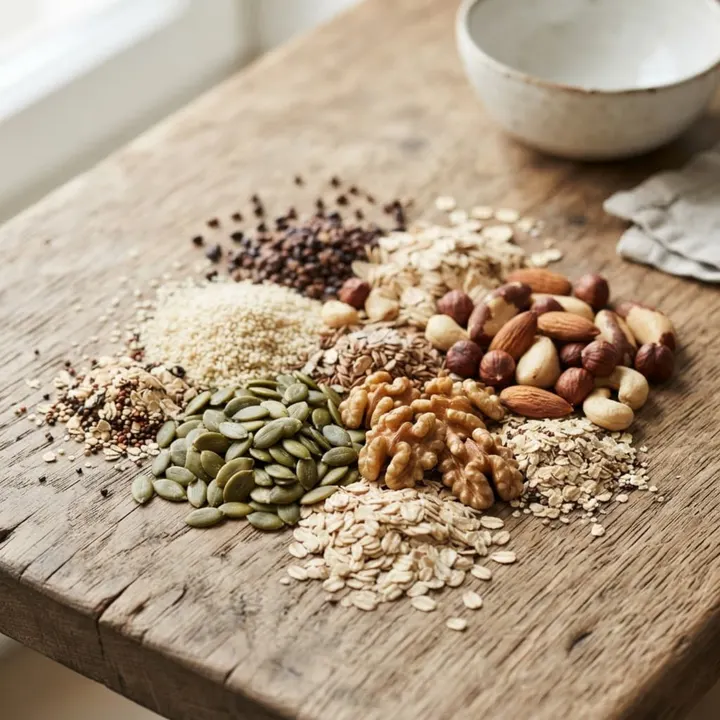
Zinc is a nutrient rather than a remedy. Regionally, meat, groundnuts, beans, pumpkin seeds and fermented foods are the main dietary sources.
Good to know. Supplements containing zinc are food supplements, so their labels describe support for everyday wellbeing.
Zinc has a recognised place in WHO child-health guidance, a sign of how central it is to healthy growth and immune function.
Trials of zinc lozenges in the cold season have reported shorter-lasting symptoms, which is why zinc is a staple of immune formulas.
Zinc is concentrated in the prostate and is needed for male reproductive health, the reason it features in men’s and prostate-support complexes.

Zinc appears in immune formulas, men’s health complexes, prostate products, multivitamins and skin supplements, as gluconate, citrate, picolinate, bisglycinate or sulphate.
Nausea, metallic taste and stomach upset, particularly on an empty stomach.
Reduces absorption of some antibiotics (quinolones, tetracyclines) and of penicillamine; separate doses. High-dose zinc reduces copper absorption.
Anyone considering long-term zinc above the recommended intake, anyone taking regular antibiotics, and anyone with a copper-related condition.
Products documented in African markets whose supplier material names this ingredient.
Konjac fibre, Indian barberry and chromium capsules for glucose metabolism
KES 6,750
Order page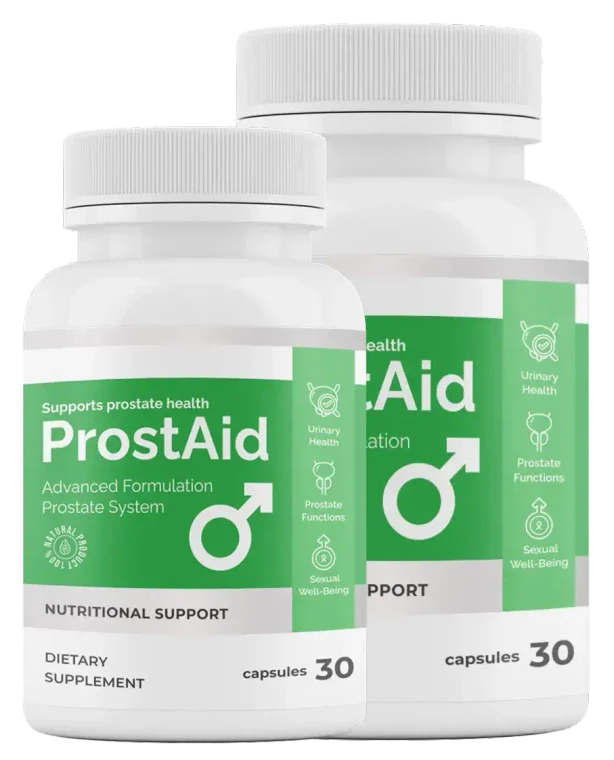
Prostate and urinary comfort capsules with zinc, selenium and vitamins
TZS 89,900
Order page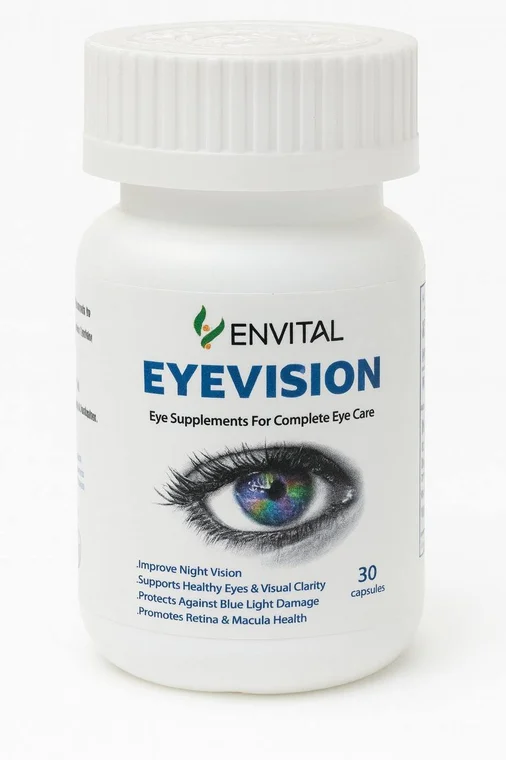
Lutein, zeaxanthin, vitamins A, C, E and zinc for screen-tired eyes
KES 6,750
Order pageZinc contributes to normal testosterone levels and male reproductive health, and dietary intake is often marginal in the region. A daily amount near the recommended intake keeps levels adequate.
High doses are for short, defined purposes such as a cold. Sustained high intake risks copper deficiency and should be supervised.
Medical disclaimer. BioMedic Africa publishes consumer health information and supplement research summaries. It is not a pharmacy, a clinic or a medicines regulator, and nothing here is a diagnosis, a prescription or a treatment plan. Dietary supplements are foods, not medicines: they are not intended to diagnose, treat, cure or prevent any disease. Speak with a pharmacist or a qualified healthcare professional before starting any supplement, especially if you are pregnant or breastfeeding, under 18, living with a long-term condition, or taking prescription medication.