

Kenya
Erectil
Maca, fenugreek, ginseng, tongkat ali and epimedium capsules for men’s vitality
KES 5,900
Order page
Botanical ingredient
Trigonella foenum-graecum · Also known as Methi, uwatu (Swahili), hulba
Fenugreek is a kitchen spice, a traditional support for nursing mothers and a modern men’s-supplement ingredient all at once. Its soluble fibre also makes it a favourite in blood-sugar support formulas.
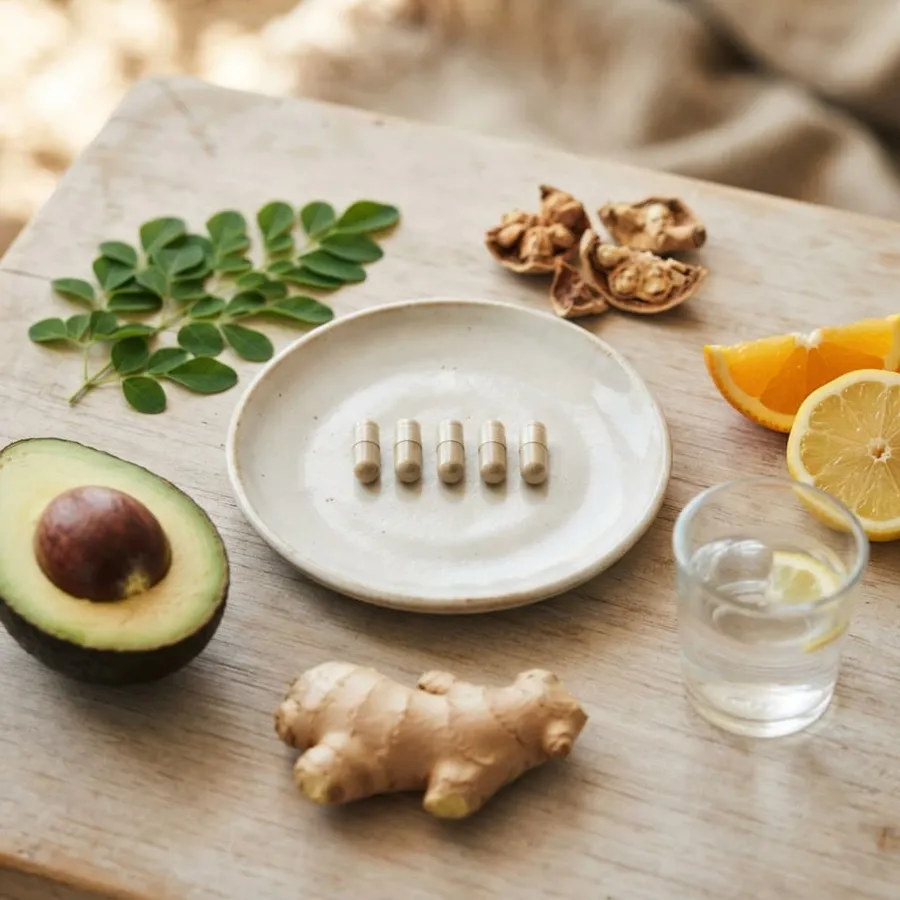
Fenugreek seeds come from an annual legume grown across South Asia, North Africa and the Middle East. They are bitter, aromatic and high in soluble fibre.
Commercial supplements use whole seed powder, defatted seed extracts, or extracts standardised to saponin content.
Fenugreek is used along the Swahili coast and in North and East African cooking, and traditionally taken by nursing mothers to support milk supply. Its place in men’s vitality products is a more recent addition to that long history.
Good to know. Supplements containing fenugreek are food supplements, so their labels describe support for everyday wellbeing.
Meta-analyses of fenugreek in relation to fasting glucose and HbA1c report favourable results, linked to its rich soluble fibre content.
Supporting milk supply is its best-known traditional use, passed down through generations of nursing mothers.
Trials of specific standardised extracts have looked at male vitality, which is why fenugreek features in men’s formulas.
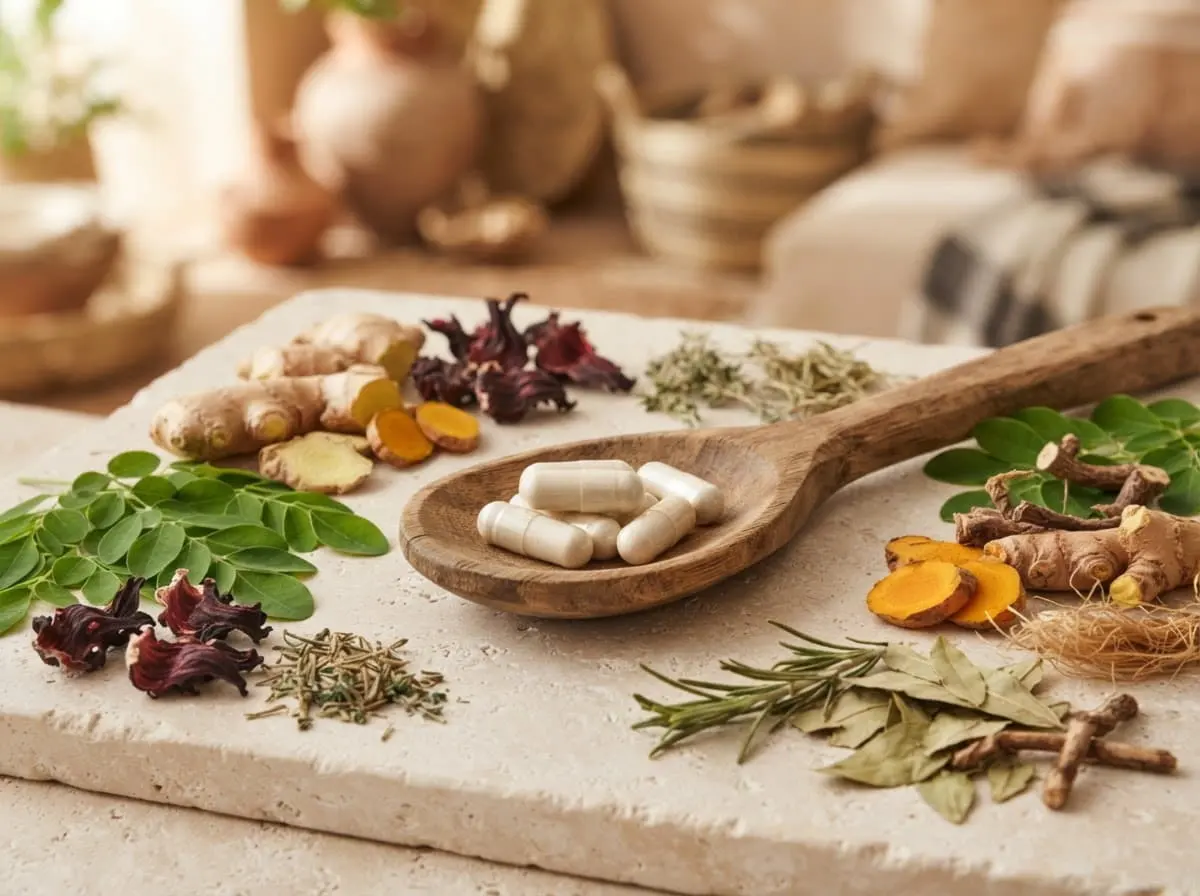
Fenugreek appears in blood sugar support formulas, men’s vitality complexes and lactation products, in doses ranging from a few hundred milligrams of extract to several grams of seed powder.
Digestive upset, wind, and the characteristic body odour. Allergic reactions occur in legume-sensitive people.
May add to the effect of diabetes medication and of anticoagulants. Its fibre can slow absorption of medicines taken at the same time.
People taking diabetes medication, anyone pregnant (traditional use in pregnancy is discouraged), and people with legume allergies.

Products documented in African markets whose supplier material names this ingredient.
Maca, fenugreek, ginseng, tongkat ali and epimedium capsules for men’s vitality
KES 5,900
Order page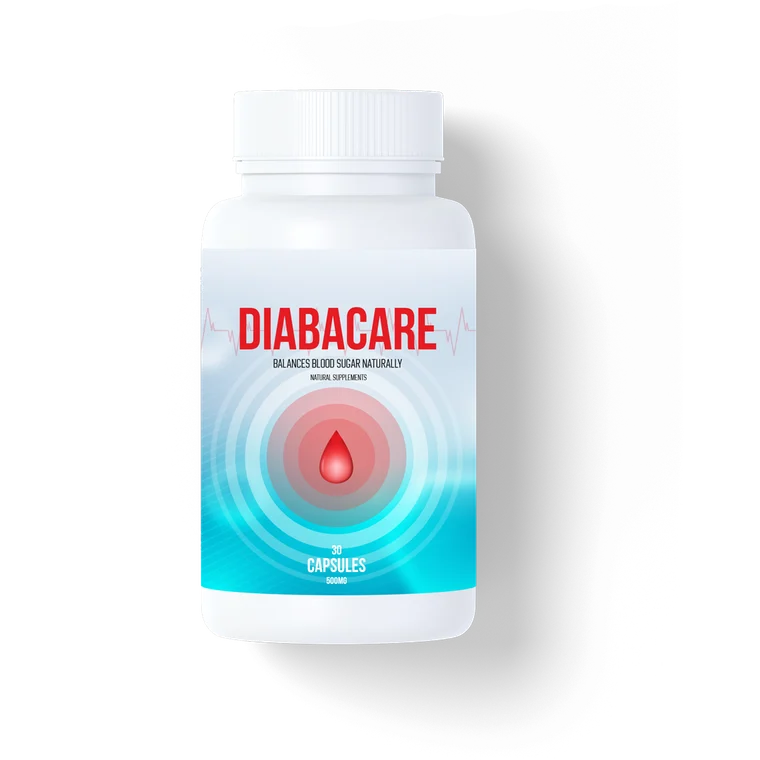
Six-herb capsules for healthy blood sugar balance, 30 × 500 mg per pack
R649
Order pageIt contains sotolon, an aroma compound also responsible for the maple-syrup note in the spice. The effect is harmless and reversible.
Standardised fenugreek extracts have been studied for male vitality and are a popular partner of ginseng, maca and zinc in men’s wellness blends.
Medical disclaimer. BioMedic Africa publishes consumer health information and supplement research summaries. It is not a pharmacy, a clinic or a medicines regulator, and nothing here is a diagnosis, a prescription or a treatment plan. Dietary supplements are foods, not medicines: they are not intended to diagnose, treat, cure or prevent any disease. Speak with a pharmacist or a qualified healthcare professional before starting any supplement, especially if you are pregnant or breastfeeding, under 18, living with a long-term condition, or taking prescription medication.