
Kenya
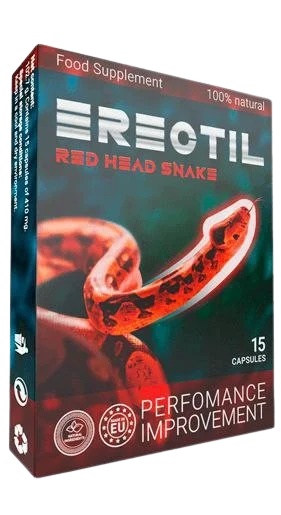
Erectil
Maca, fenugreek, ginseng, tongkat ali and epimedium capsules for men’s vitality
KES 5,900
Order page
Botanical ingredient
Lepidium meyenii · Also known as Peruvian ginseng
Maca is a high-altitude Andean root sold worldwide in energy and vitality formulas. It is a nourishing, food-grade ingredient that has been eaten for generations and brings a natural, caffeine-free lift to men’s and women’s blends.
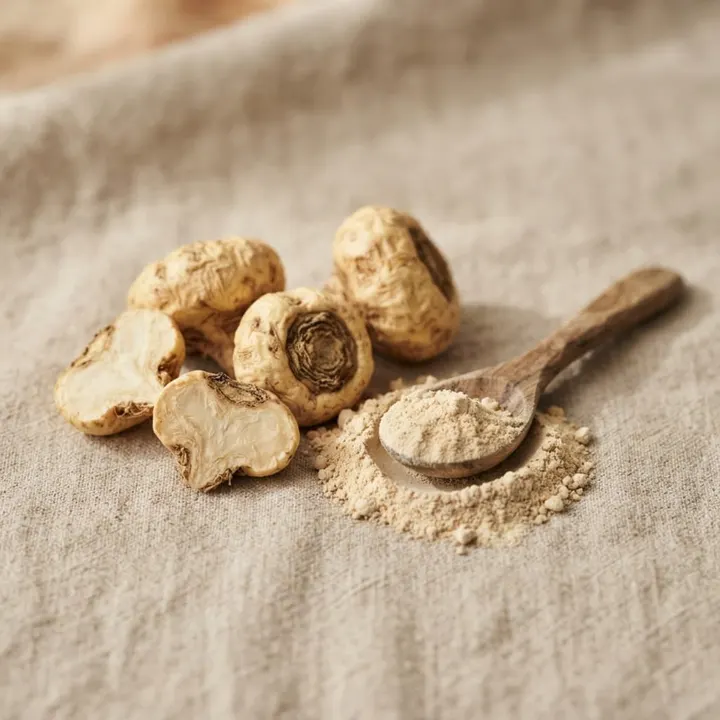
Maca is the root of Lepidium meyenii, cultivated on the Peruvian altiplano and eaten locally as a food. Yellow, red and black varieties are sold, and their composition is not identical.
Supplement products use dried root powder or concentrated extracts; gelatinised maca has been heat-treated to improve digestibility.
Maca is an Andean staple food and traditional tonic, eaten for stamina and vitality in the high Andes. It reaches Africa as an imported ingredient in energy and vitality formulas.
Good to know. Supplements containing maca root are food supplements, so their labels describe support for everyday wellbeing.
Randomised trials have looked at maca in relation to desire, mood and wellbeing during menopause, with positive results reported.
Its long history as an everyday food in the Andes underlines its place as a gentle, nourishing ingredient for daily use.
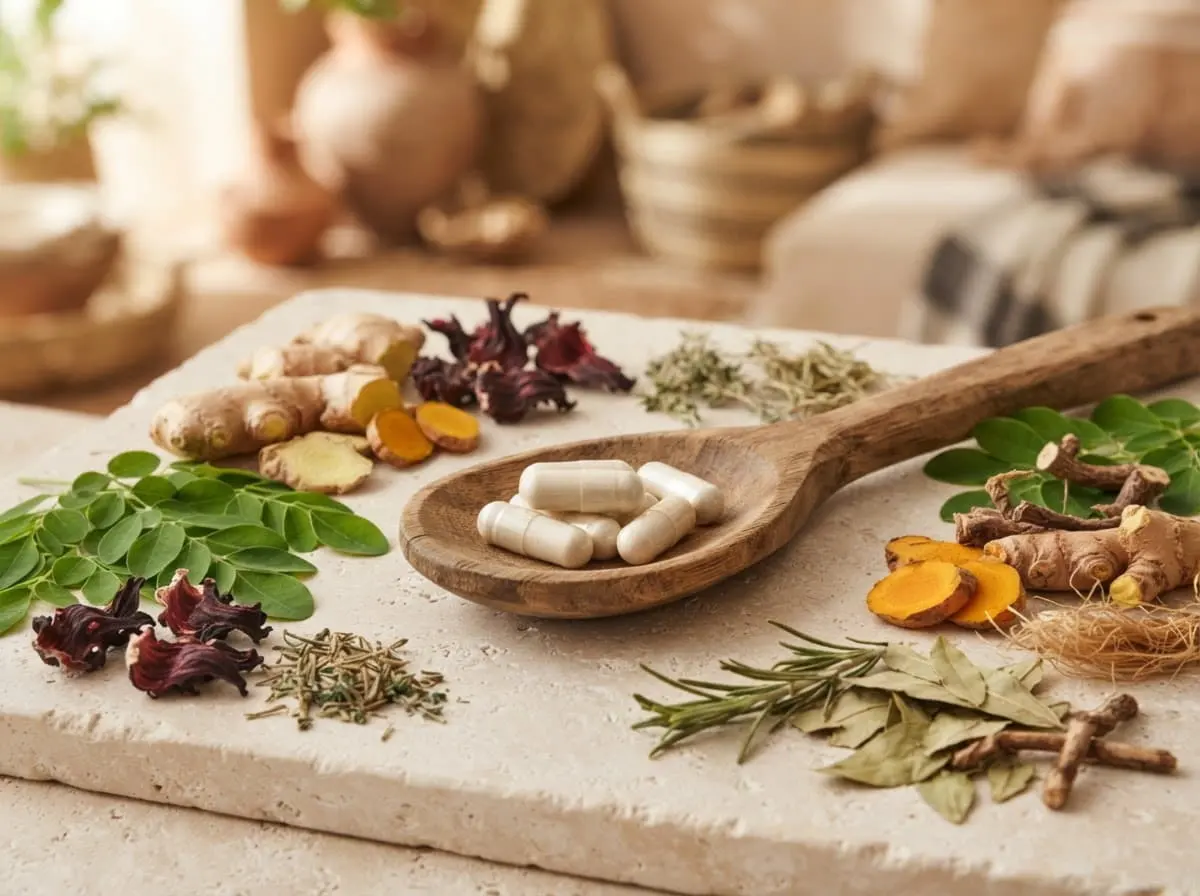
Maca appears in men’s vitality complexes, women’s hormonal-balance products and energy blends, usually at gram-level doses of powder or a stated extract ratio.
Digestive discomfort and occasional sleep disturbance if taken late in the day.
No well-documented drug interactions. Mention it to your doctor if you receive any hormone-related treatment.
People with thyroid disease, people with hormone-sensitive conditions, and anyone pregnant or breastfeeding.

Products documented in African markets whose supplier material names this ingredient.
Maca, fenugreek, ginseng, tongkat ali and epimedium capsules for men’s vitality
KES 5,900
Order pageNo. Maca is caffeine-free, so it suits people who prefer to avoid stimulants.
Yellow, red and black maca each have their own composition and fans. All three are used in vitality formulas, and the pack tells you which one a product contains.
Medical disclaimer. BioMedic Africa publishes consumer health information and supplement research summaries. It is not a pharmacy, a clinic or a medicines regulator, and nothing here is a diagnosis, a prescription or a treatment plan. Dietary supplements are foods, not medicines: they are not intended to diagnose, treat, cure or prevent any disease. Speak with a pharmacist or a qualified healthcare professional before starting any supplement, especially if you are pregnant or breastfeeding, under 18, living with a long-term condition, or taking prescription medication.