
South Africa
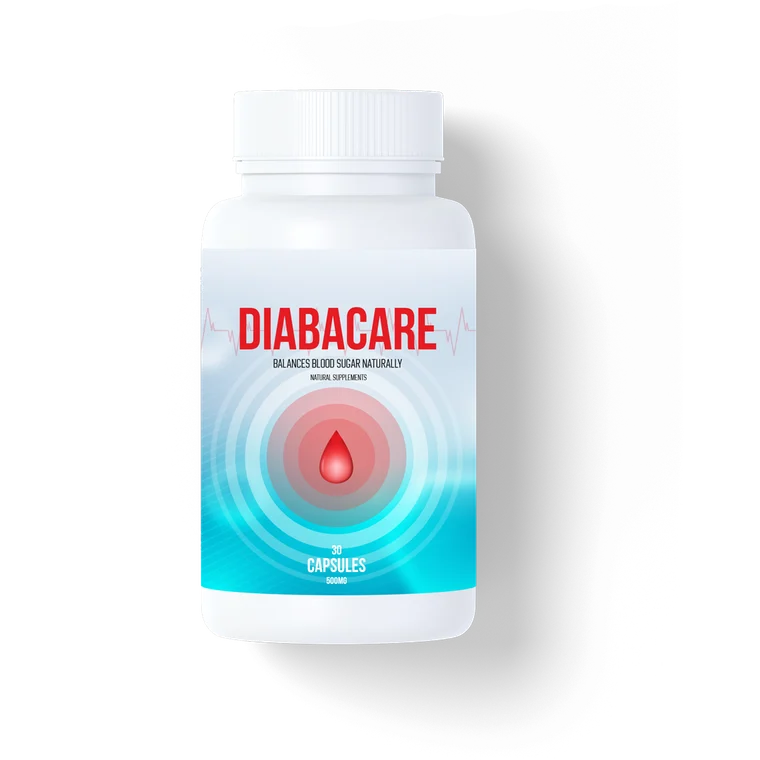
Diabacare
Six-herb capsules for healthy blood sugar balance, 30 × 500 mg per pack
R649
Order page
Botanical ingredient
Withania somnifera · Also known as Indian ginseng, winter cherry
Ashwagandha has moved from Ayurvedic pharmacy to the global stress-and-sleep aisle in barely a decade. This restorative root is now one of the most popular adaptogens for calm days, restful nights and everyday vitality.
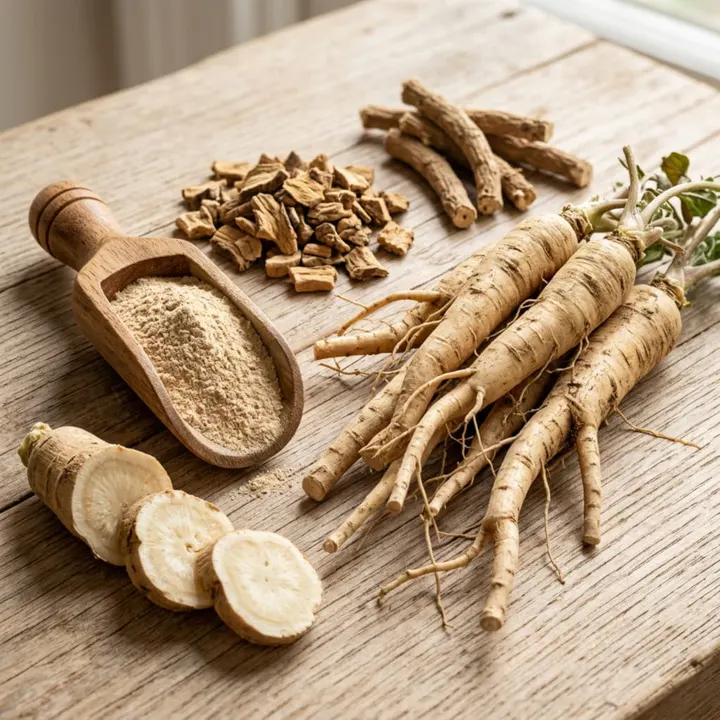
Ashwagandha is the root of Withania somnifera, a shrub of the nightshade family native to India and parts of Africa and the Middle East. Its characteristic compounds are the withanolides.
Most commercial products use a root extract standardised to a stated withanolide percentage, which gives each capsule a consistent daily amount.
Ashwagandha is central to Ayurvedic practice as a rasayana or restorative. The plant itself also grows in dry regions of Africa, and today it reaches the region as a supplement ingredient in stress, sleep and vitality formulas.
Good to know. Supplements containing ashwagandha are food supplements, so their labels describe support for everyday wellbeing.
Randomised trials have examined ashwagandha for everyday stress, sleep quality, and measures of strength and endurance, and several report benefits.
Reviews describe the research as encouraging, with the best results reported for standardised root extracts.
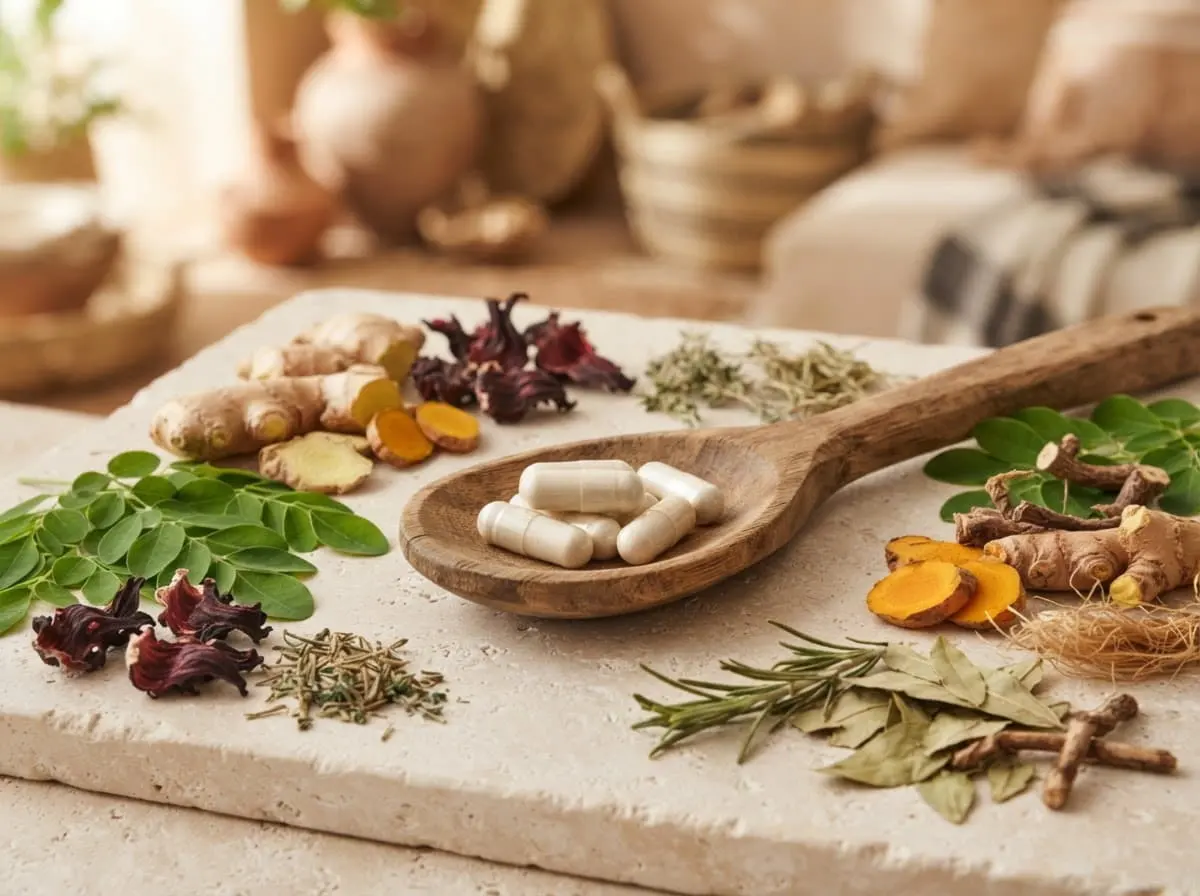
Ashwagandha is used in stress, sleep, men’s vitality and general adaptogen products. Common trial doses fall roughly between 250 mg and 600 mg of standardised root extract per day.
Drowsiness, digestive upset and, in some reports, headache. Rare liver-related reactions have been described.
Relevant with sedatives, thyroid medication, immunosuppressants and diabetes or blood pressure medication.
Anyone pregnant (it is traditionally avoided in pregnancy), people with thyroid disease, people with autoimmune conditions, and people on sedative medication.
Products documented in African markets whose supplier material names this ingredient.
Six-herb capsules for healthy blood sugar balance, 30 × 500 mg per pack
R649
Order pageOnly by nickname. It is sometimes called Indian ginseng, but it belongs to a different plant family with different active compounds.
Products aimed at sleep are typically taken in the evening and stress-positioned products in the morning. Follow the label of the specific product.
Medical disclaimer. BioMedic Africa publishes consumer health information and supplement research summaries. It is not a pharmacy, a clinic or a medicines regulator, and nothing here is a diagnosis, a prescription or a treatment plan. Dietary supplements are foods, not medicines: they are not intended to diagnose, treat, cure or prevent any disease. Speak with a pharmacist or a qualified healthcare professional before starting any supplement, especially if you are pregnant or breastfeeding, under 18, living with a long-term condition, or taking prescription medication.