
Kenya
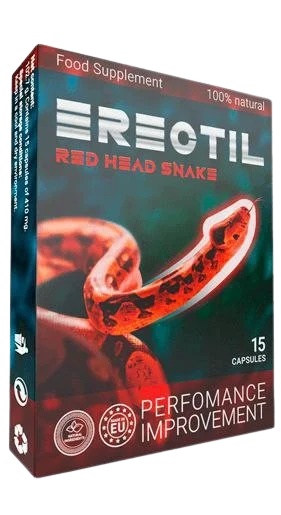
Erectil
Maca, fenugreek, ginseng, tongkat ali and epimedium capsules for men’s vitality
KES 5,900
Order page
Botanical ingredient
Panax ginseng · Also known as Asian ginseng, Panax ginseng, Siberian ginseng (a different plant)
Ginseng is a headline ingredient in energy and men’s wellness formulas, prized in East Asia for centuries as a restorative root. Knowing which of the ginseng family a formula uses helps you understand what it brings to the blend.
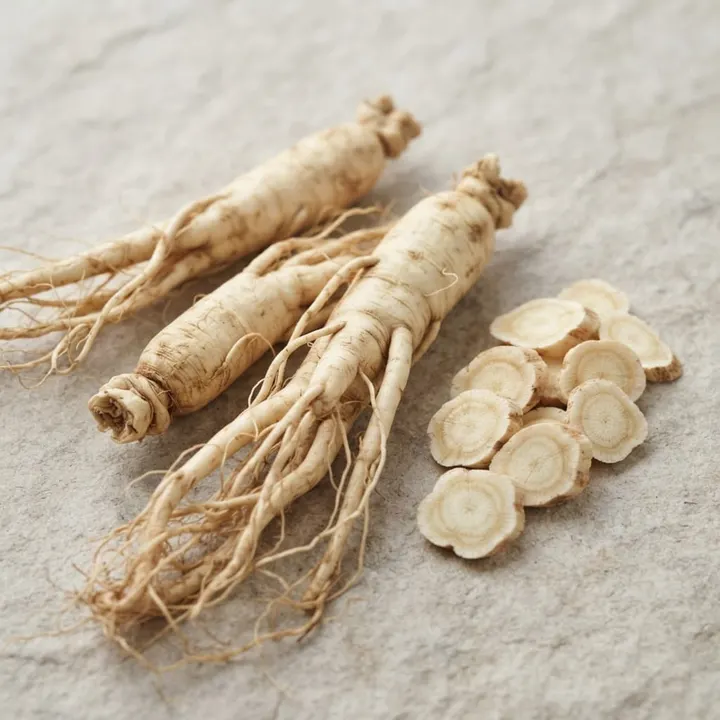
True ginseng is the root of Panax ginseng (Asian or Korean ginseng) or Panax quinquefolius (American ginseng). Its characteristic compounds are the ginsenosides.
Siberian ginseng, Eleutherococcus senticosus, is a related adaptogen with its own compounds, and Indian ginseng is the popular name for ashwagandha. Each brings its own character to a formula.
Panax ginseng comes from East Asian herbal tradition, where it has been valued for centuries as a tonic for energy and stamina. It reaches African markets as an imported ingredient in energy, stamina and men’s wellness products.
Good to know. Supplements containing ginseng are food supplements, so their labels describe support for everyday wellbeing.
Human research on Panax ginseng covers energy and fatigue, mental performance and male vitality, and reviews describe positive results across several of these areas.
Much of this research uses extracts standardised to ginsenosides, the root’s characteristic compounds, which is why quality formulas state them.

Ginseng appears in men’s vitality complexes, energy blends and adaptogen formulas, usually as a standardised root extract expressed as a percentage of ginsenosides.
Insomnia, headache, digestive upset, nervousness and, less commonly, changes in blood pressure.
Relevant with warfarin, diabetes medication, stimulants and some antidepressants.
People with diabetes, people with hormone-sensitive conditions, people on anticoagulants, and anyone pregnant or breastfeeding.
Products documented in African markets whose supplier material names this ingredient.
Maca, fenugreek, ginseng, tongkat ali and epimedium capsules for men’s vitality
KES 5,900
Order pageNo. Siberian ginseng is Eleutherococcus senticosus, a different plant used in a similar way as an adaptogen. It has its own research and its own safety profile.
Trials typically run for weeks to a few months, and ginseng is usually taken as a course. Short breaks between courses are a common recommendation — follow the schedule on the pack.
Medical disclaimer. BioMedic Africa publishes consumer health information and supplement research summaries. It is not a pharmacy, a clinic or a medicines regulator, and nothing here is a diagnosis, a prescription or a treatment plan. Dietary supplements are foods, not medicines: they are not intended to diagnose, treat, cure or prevent any disease. Speak with a pharmacist or a qualified healthcare professional before starting any supplement, especially if you are pregnant or breastfeeding, under 18, living with a long-term condition, or taking prescription medication.