
Kenya
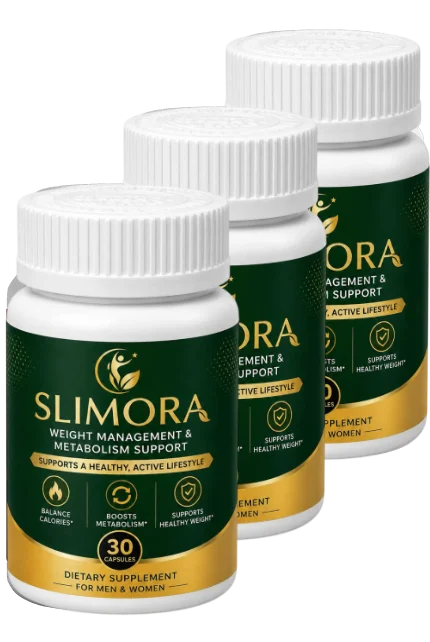
Slimora
Cleanse and weight management capsules taken before meals, pay on delivery
KES 6,750
Order page
Health topic
Weight management works best as a package: sensible portions, regular activity and habits you can keep up every day. This page explains what shapes body weight, which ingredients weight formulas are built on, and how a supplement fits into the habit.

Body weight responds to energy intake, energy expenditure, sleep, medication, hormonal factors and the food environment. Urbanisation across Africa has changed several of these at once.
Supplement ingredients used for weight — green tea catechins, fibre, African mango, carnitine, chromium — are chosen to support calorie-controlled eating day to day and everyday energy.
The most useful thing to know about this category is how it works best: as a package. A calorie deficit and regular activity do the main work, and a supplement supports the daily habits you build around them.
Not a success. Unintentional loss needs medical investigation.
Extremely common and biologically driven. Approaches that can be sustained beat approaches that cannot.
Associated with metabolic risk and worth addressing through diet, activity and sleep.
Some prescribed medicines affect weight. Discuss it with your prescriber rather than adding a supplement.

Both increase satiety, which makes an energy deficit easier to maintain.
One of the clearest single changes available in urban African diets.
Short sleep alters appetite hormones and is consistently associated with weight gain.
Activity contributes more to maintaining weight loss than to producing it, which is why it matters over the long run.
No nutrient causes weight loss. Adequate protein, fibre and micronutrient intake support the process by making a reduced-energy diet more tolerable and nutritionally sound.
Ingredients that appear in products aimed at this topic. Each page explains what the ingredient is, how it is traditionally used and which products contain it.
Green tea extract concentrates the catechins of many brewed cups into a single capsule.
BotanicalIrvingia gabonensis is a West and Central African forest tree whose seed was a kitchen staple long before it became a supplement.
NutrientL-carnitine moves fatty acids into mitochondria to be burned for energy, which is why it appears in both cardiovascular and weight-management formulas.
BotanicalFenugreek is a kitchen spice, a traditional support for nursing mothers and a modern men’s-supplement ingredient all at once.
BotanicalCinnamon is a much-loved warming spice and a classic ingredient in blood-sugar support formulas.
BotanicalMoringa is the most important home-grown supplement ingredient in Africa.

See a doctor about any of the following before starting a supplement:

Weight management works best as a package: a calorie deficit, regular activity and day-to-day habits you can keep to.
Herbal supplements bring Africa’s traditional plant heritage into a measured, convenient daily form.
Products sold in African markets positioned around this topic, each with its price, format and delivery terms.
Cleanse and weight management capsules taken before meals, pay on delivery
KES 6,750
Order page
Garcinia cambogia (60% HCA) and green coffee in one daily capsule
TZS 135,000
Order page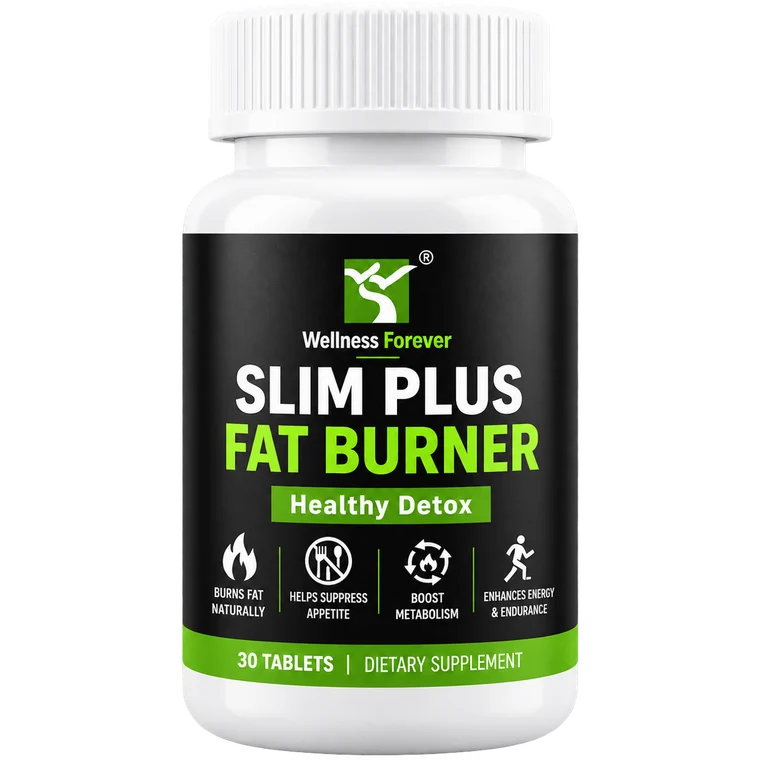
30-tablet weight-management supplement for a fresh start every day in Kenya
KES 6,600
Order page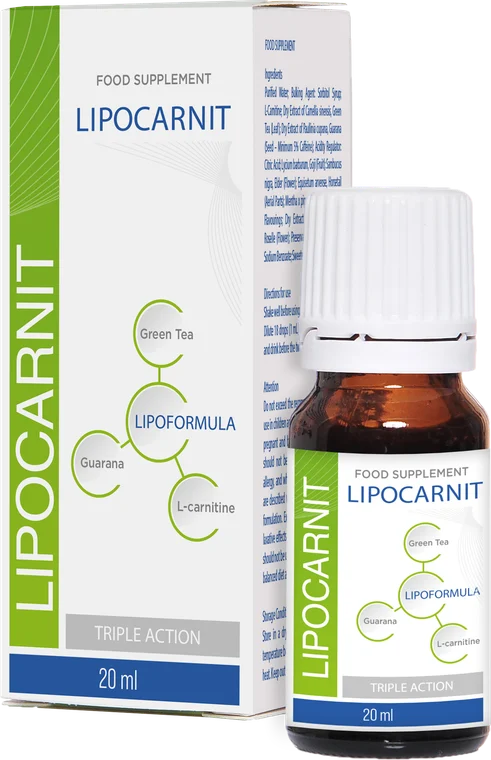
Weight-management drops for adults over 35, taken twice a day, delivered in Nigeria
₦48,900
Order page
A green matcha drink with spirulina — one warm cup a day alongside your weight goals
TZS 91,900
Order pageAs the supporting part of a package: sensible portions, regular activity and day-by-day habits you can keep to. Take it daily as directed on the pack and aim for steady, gradual change.
Protein and fibre at meals, water through the day, fewer sugary drinks and a regular walk. A supplement supports those daily habits and helps you keep to it.
This page summarises public health information. These are the bodies it draws on — go to them directly if you want the full text rather than our summary.
Medical disclaimer. BioMedic Africa publishes consumer health information and supplement research summaries. It is not a pharmacy, a clinic or a medicines regulator, and nothing here is a diagnosis, a prescription or a treatment plan. Dietary supplements are foods, not medicines: they are not intended to diagnose, treat, cure or prevent any disease. Speak with a pharmacist or a qualified healthcare professional before starting any supplement, especially if you are pregnant or breastfeeding, under 18, living with a long-term condition, or taking prescription medication.