
Kenya
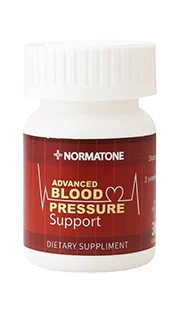
Normatone
Magnesium, calcium, potassium and L-carnitine capsules for heart wellness
KES 6,750
Order page
Nutrient ingredient
Also known as Levocarnitine, acetyl-L-carnitine
L-carnitine moves fatty acids into mitochondria to be burned for energy, which is why it appears in both cardiovascular and weight-management formulas. A supplement tops up what the body makes and what meat and dairy supply.

L-carnitine is a compound derived from the amino acids lysine and methionine. It transports long-chain fatty acids into mitochondria for energy production.
The body synthesises carnitine and obtains it from meat and dairy, so deficiency is uncommon outside specific medical conditions.
A modern nutritional compound with no traditional use.
Good to know. Supplements containing l-carnitine are food supplements, so their labels describe support for everyday wellbeing.
Carnitine has been studied widely in connection with heart function, male fertility and exercise performance.
Meta-analyses have also looked at carnitine and body weight, and it is a popular supporting ingredient in weight-management formulas alongside diet and activity.

L-carnitine appears in cardiovascular formulas, energy and weight-management products, and sports supplements. Acetyl-L-carnitine is used in cognition-positioned products.
Nausea, stomach cramps, diarrhoea and a fishy body odour at higher doses.
May interact with warfarin and with thyroid hormone. Disclose it if you take either.
People with a diagnosed heart condition, people on warfarin or thyroid medication, and people with reduced kidney function.

Products documented in African markets whose supplier material names this ingredient.
Magnesium, calcium, potassium and L-carnitine capsules for heart wellness
KES 6,750
Order pageL-carnitine carries fatty acids into the cells’ mitochondria, where they are used for energy. That natural role is why it is a popular supporting ingredient in day-to-day weight management built on diet and activity.
The body synthesises carnitine, and vegetarians generally maintain adequate levels despite lower dietary intake.
Medical disclaimer. BioMedic Africa publishes consumer health information and supplement research summaries. It is not a pharmacy, a clinic or a medicines regulator, and nothing here is a diagnosis, a prescription or a treatment plan. Dietary supplements are foods, not medicines: they are not intended to diagnose, treat, cure or prevent any disease. Speak with a pharmacist or a qualified healthcare professional before starting any supplement, especially if you are pregnant or breastfeeding, under 18, living with a long-term condition, or taking prescription medication.