
Kenya
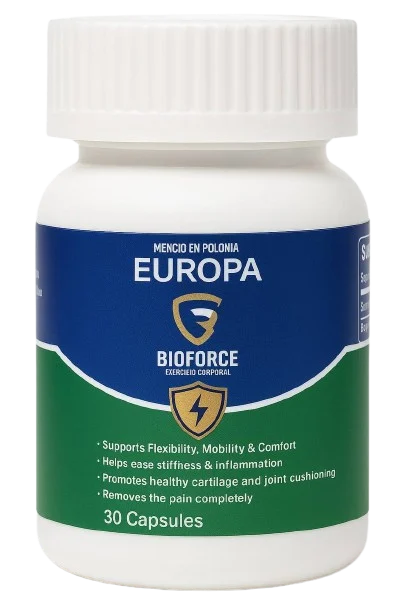
Bioforce
Six-ingredient joint capsules with glucosamine, chondroitin and boswellia for over-40s
KES 6,750
Order page
Health topic
Joint comfort is the most common reason people in the region start taking a supplement. This guide explains what happens in a joint, which ingredients joint formulas are built on, the daily habits that keep you moving, and how to choose and order a formula with payment on delivery.

A joint is where two bones meet, cushioned by cartilage and lubricated by synovial fluid. Cartilage has no blood supply of its own, which is why it repairs slowly and why wear accumulates over decades rather than weeks.
Most joint complaints in adults over forty relate to osteoarthritis — gradual thinning of cartilage with associated changes in the bone underneath. Manual work, previous injury, carrying heavy loads, and excess body weight all increase the load a joint absorbs over a lifetime.
Joint supplements are made for everyday comfort and mobility. Glucosamine, chondroitin, collagen and MSM supply familiar cartilage building blocks, while turmeric and ginger add a traditional botanical touch — taken daily as a course alongside movement and a balanced diet.
Stiffness lasting under thirty minutes and improving as you move is a common pattern in osteoarthritis. Stiffness lasting an hour or more, especially with swelling, points towards an inflammatory condition and needs medical assessment.
Descending loads the kneecap heavily. Pain concentrated in this movement often relates to the patellofemoral joint and responds well to targeted strengthening.
Farming, construction, market portering and long driving all load joints repeatedly. Discomfort that settles overnight is different from pain that persists at rest.
These signs are not typical of simple wear and should be assessed by a clinician, since they may indicate infection, gout or an inflammatory arthritis.

Every kilogram of body weight multiplies through the knee several times over during walking. Keeping a healthy weight is one of the most rewarding things you can do for your knees.
Quadriceps strength predicts knee function better than imaging does. Simple progressive exercise, done consistently, is well evidenced.
Prolonged rest weakens supporting muscle and stiffens the joint. Regular low-impact movement — walking, cycling, swimming — is generally advised.
Changing how you lift, adding a support, or splitting loads reduces cumulative stress in physically demanding jobs.
No nutrient is specifically required for cartilage in the way calcium is required for bone. Adequate protein, vitamin D, vitamin C (needed for collagen synthesis) and overall diet quality all matter as background. Omega-3 fatty acids are the nutrient most often studied for joint comfort.
Ingredients that appear in products aimed at this topic. Each page explains what the ingredient is, how it is traditionally used and which products contain it.
Glucosamine is the longest-standing ingredient in the joint aisle and the foundation of most joint formulas.
StructuralChondroitin is glucosamine’s classic partner in joint formulas.
StructuralMSM is an organic sulphur compound found in almost every modern joint formula.
StructuralCollagen is the most-purchased structural supplement in the world, and the one where reading the type matters most.
BotanicalTurmeric is the golden rhizome behind curry powder and one of the most researched botanicals in the supplement aisle.
BotanicalCurcumin is the concentrated yellow pigment isolated from turmeric and the compound at the centre of most turmeric research.
NutrientOmega-3 supplements bring the goodness of oily fish into a simple daily softgel.
BotanicalGinger is one of the few botanicals that is both an everyday African kitchen staple and a genuinely well-studied supplement ingredient.
VitaminVitamin D is made in skin exposed to sunlight, which makes its status in equatorial Africa more complicated than latitude alone suggests.

See a doctor about any of the following before starting a supplement:

Joint supplements are the largest single category on the African supplement shelf.
Herbal supplements bring Africa’s traditional plant heritage into a measured, convenient daily form.
Omega-3 is easy to compare once you know where to look: a 1000 mg capsule usually contains around 300 mg of EPA and DHA, and that is the number to compare.
Products sold in African markets positioned around this topic, each with its price, format and delivery terms.
Six-ingredient joint capsules with glucosamine, chondroitin and boswellia for over-40s
KES 6,750
Order page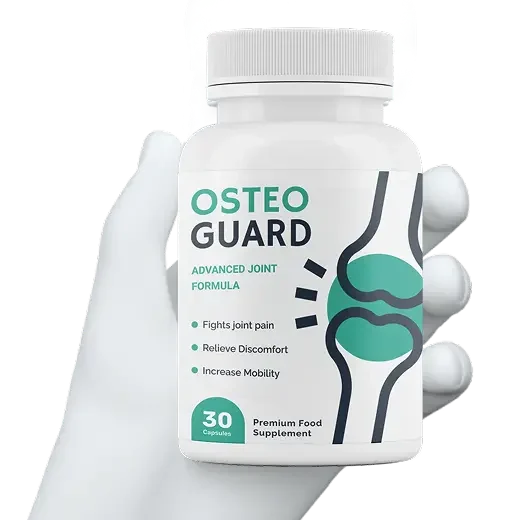
Plant-based capsules for back and joint comfort at an accessible price
KES 4,999
Order page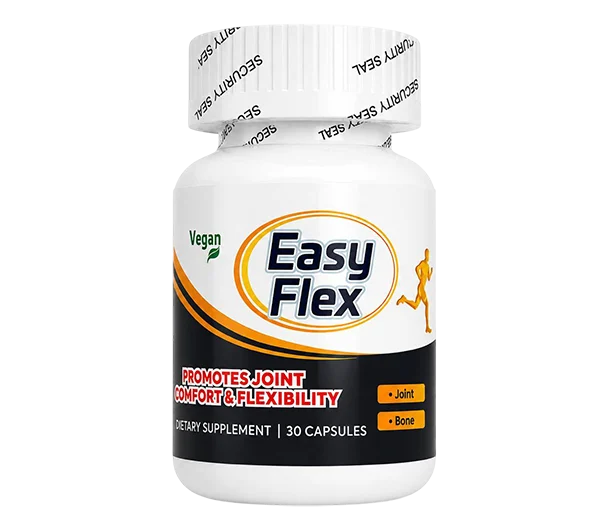
Collagen, glucosamine and chondroitin tablets — the classic joint trio
KES 6,500
Order page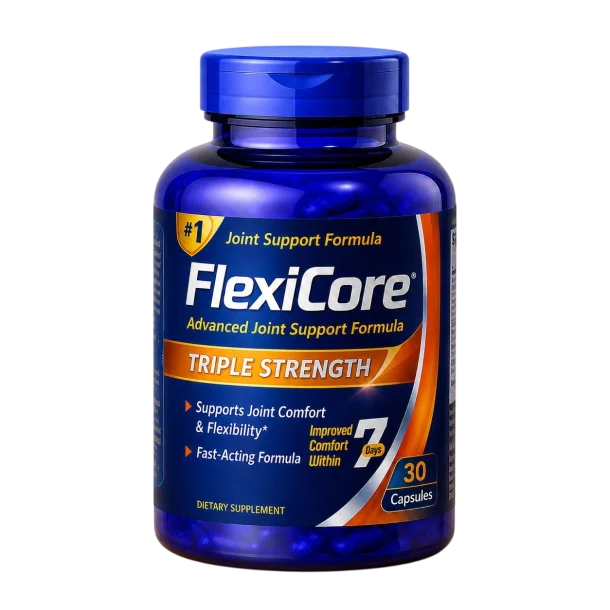
Collagen II, glucosamine, chondroitin and hyaluronic acid in one daily joint capsule
₦49,000
Order page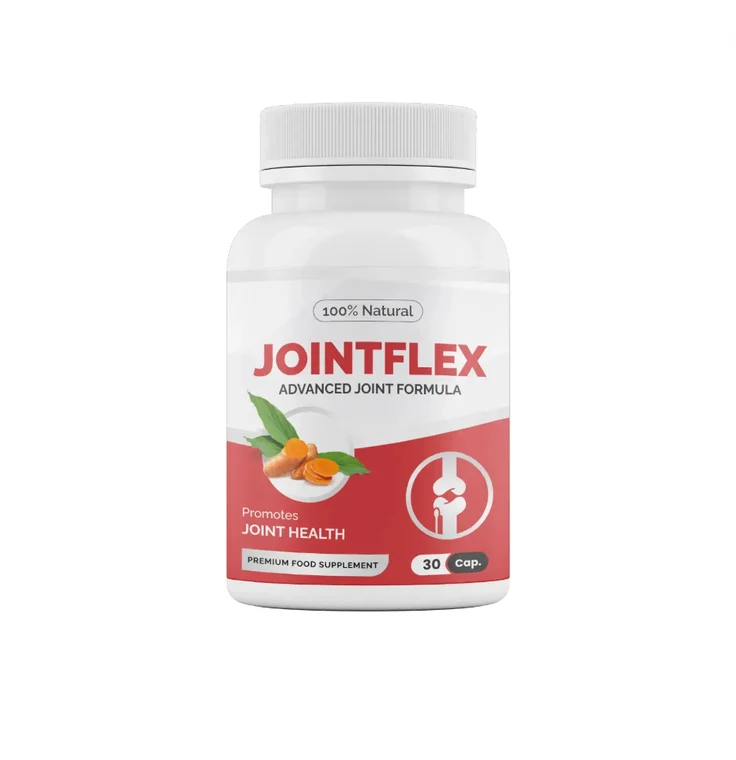
30 capsules of a natural joint formula for comfort and everyday mobility
TZS 89,900
Order page
A joint-care formula in a jar for everyday mobility, delivered across Rwanda
RWF 50,500
Order pageStudies in this area look at pain and function scores over weeks and months, which is why joint formulas are taken as a course rather than judged in a few days.
Joint formulas are taken as a daily course, typically eight to twelve weeks or longer. Follow the directions on the pack and keep up regular movement alongside.
For osteoarthritis, appropriate exercise is one of the best-supported approaches. A physiotherapist can adapt it if pain limits you.
This page summarises public health information. These are the bodies it draws on — go to them directly if you want the full text rather than our summary.
Medical disclaimer. BioMedic Africa publishes consumer health information and supplement research summaries. It is not a pharmacy, a clinic or a medicines regulator, and nothing here is a diagnosis, a prescription or a treatment plan. Dietary supplements are foods, not medicines: they are not intended to diagnose, treat, cure or prevent any disease. Speak with a pharmacist or a qualified healthcare professional before starting any supplement, especially if you are pregnant or breastfeeding, under 18, living with a long-term condition, or taking prescription medication.