
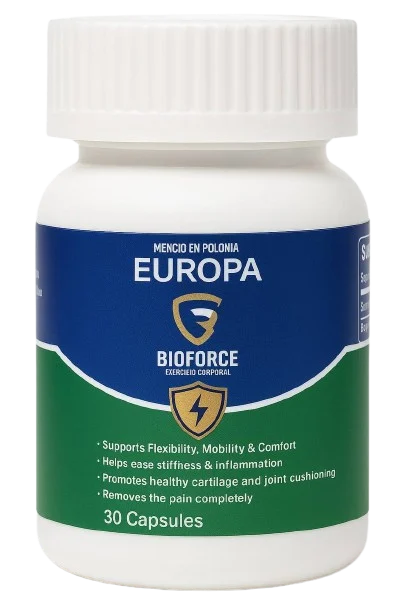
Kenya
Bioforce
Six-ingredient joint capsules with glucosamine, chondroitin and boswellia for over-40s
KES 6,750
Order page
Structural ingredient
Also known as Glucosamine sulphate, glucosamine hydrochloride
Glucosamine is the longest-standing ingredient in the joint aisle and the foundation of most joint formulas. It comes in two salt forms, and knowing which one a product uses helps you get the most from it.

Glucosamine is an amino sugar the body uses in building cartilage components. Supplements are usually derived from shellfish shells, with vegetarian versions produced by fermentation.
The two commercial forms are glucosamine sulphate and glucosamine hydrochloride, and the positive European trials mostly used crystalline glucosamine sulphate.
Glucosamine is a modern nutritional compound, a concentrated take on the cartilage-rich broths many food cultures have long valued.
Good to know. Supplements containing glucosamine are food supplements, so their labels describe support for everyday wellbeing.
Glucosamine has been studied in many trials for knee comfort and mobility, and European studies of crystalline glucosamine sulphate reported improvements.
Some guideline bodies list it as an option for joint comfort, which is why it remains the anchor of the joint aisle.
Trials typically ran for eight to twelve weeks or more, so it is taken as a steady daily course.

Glucosamine anchors most joint formulas, typically at 1500 mg per day, usually combined with chondroitin, MSM, collagen or turmeric.
Nausea, heartburn, diarrhoea and, less often, headache.
Reports of increased effect with warfarin exist; anyone anticoagulated should raise it with their clinic.
People on warfarin, people with shellfish allergy, and people with diabetes who monitor closely.

Products documented in African markets whose supplier material names this ingredient.
Six-ingredient joint capsules with glucosamine, chondroitin and boswellia for over-40s
KES 6,750
Order page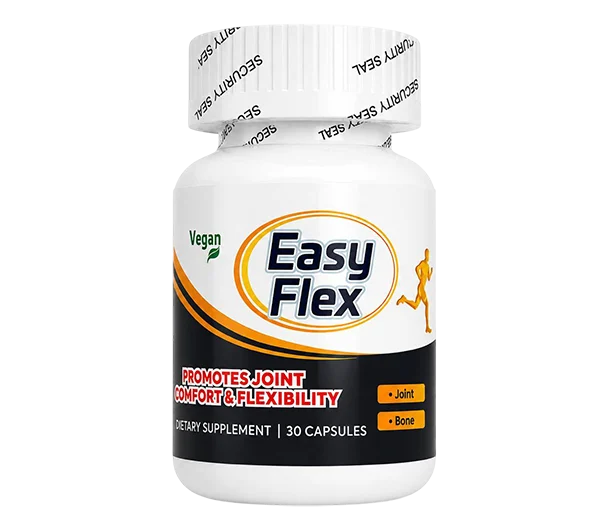
Collagen, glucosamine and chondroitin tablets — the classic joint trio
KES 6,500
Order page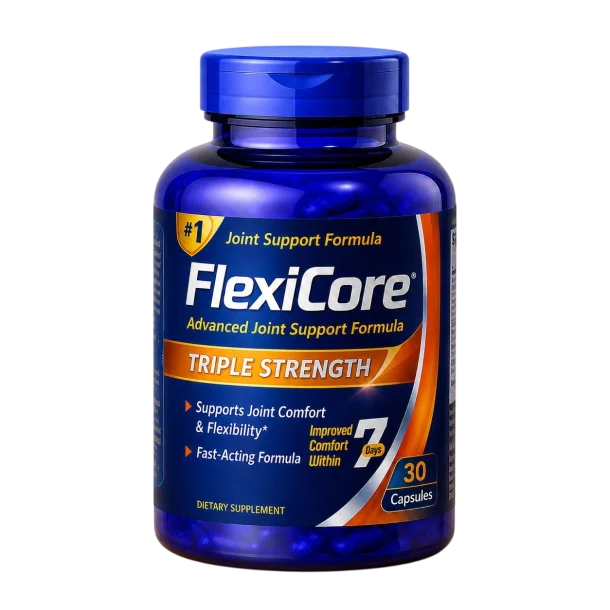
Collagen II, glucosamine, chondroitin and hyaluronic acid in one daily joint capsule
₦49,000
Order page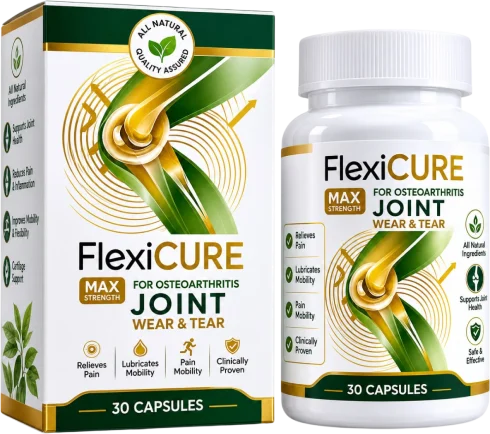
Collagen II, glucosamine, chondroitin and hyaluronic acid in one daily joint capsule
TZS 130,000
Order page Collagen II, glucosamine and chondroitin tablets for joint comfort after 40
TZS 135,000
Order page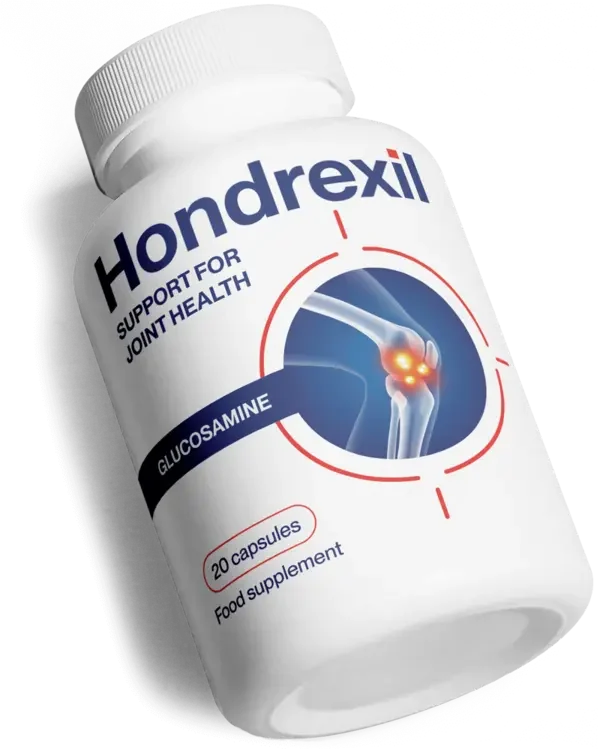
Glucosamine, chondroitin, turmeric and ginger in one joint capsule for Nigeria
₦48,900
Order pageTrials generally run for at least eight to twelve weeks, so give it a full course taken every day before you judge it.
Most products are made from shells rather than flesh, but if you have a significant allergy, choose a fermented vegetarian version and ask a pharmacist.
Medical disclaimer. BioMedic Africa publishes consumer health information and supplement research summaries. It is not a pharmacy, a clinic or a medicines regulator, and nothing here is a diagnosis, a prescription or a treatment plan. Dietary supplements are foods, not medicines: they are not intended to diagnose, treat, cure or prevent any disease. Speak with a pharmacist or a qualified healthcare professional before starting any supplement, especially if you are pregnant or breastfeeding, under 18, living with a long-term condition, or taking prescription medication.