
Kenya
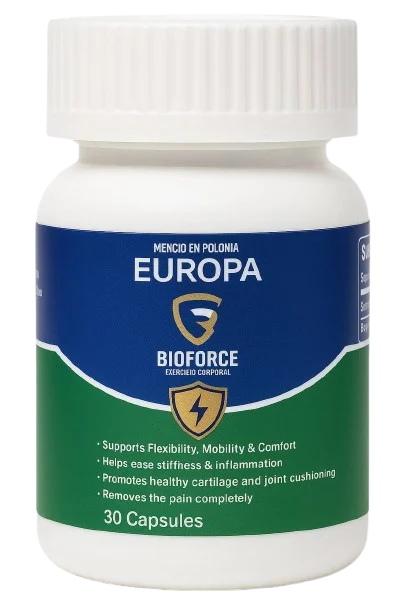
Bioforce
Six-ingredient joint capsules with glucosamine, chondroitin and boswellia for over-40s
KES 6,750
Order page
Structural ingredient
Also known as Methylsulfonylmethane, dimethyl sulfone
MSM is an organic sulphur compound found in almost every modern joint formula. It supplies sulphur, a building block of connective tissue, and its research points in a consistently positive direction.

Methylsulfonylmethane is a naturally occurring sulphur compound found in small amounts in plants and produced industrially for supplement use.
Sulphur is a structural component of connective tissue proteins, which is the rationale for including MSM in joint products.
MSM is a modern industrial compound with no traditional use.
Good to know. Supplements containing msm are food supplements, so their labels describe support for everyday wellbeing.
Several randomised trials have examined MSM for knee comfort and for muscle soreness after exercise, generally reporting improvements.
Its results have been consistent in direction, which is why MSM has become a standard partner for glucosamine and chondroitin.

MSM is used in joint complexes at doses typically between 1 g and 3 g per day, often with glucosamine, chondroitin and turmeric. It also appears in skin, hair and nail formulas.
Digestive upset, bloating, headache and occasional skin reactions.
No well-documented interactions.
Anyone pregnant or breastfeeding should ask a doctor or midwife before use.

Products documented in African markets whose supplier material names this ingredient.
Six-ingredient joint capsules with glucosamine, chondroitin and boswellia for over-40s
KES 6,750
Order page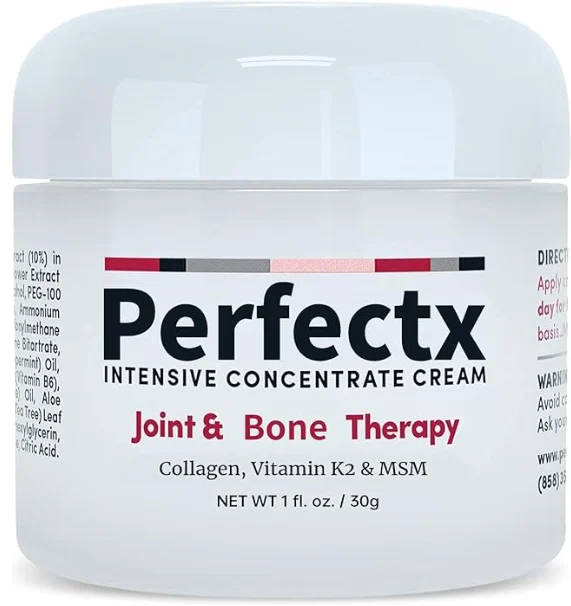
Joint and bone care cream with collagen, chondroitin, vitamin K2 and MSM
KES 5,500
Order pageNo. MSM is a specific organic sulphur compound, not elemental sulphur, and the two are not interchangeable.
Sulphur is a building block of keratin and collagen, the structural proteins of skin, hair and nails, which is why MSM appears in beauty-from-within formulas.
Medical disclaimer. BioMedic Africa publishes consumer health information and supplement research summaries. It is not a pharmacy, a clinic or a medicines regulator, and nothing here is a diagnosis, a prescription or a treatment plan. Dietary supplements are foods, not medicines: they are not intended to diagnose, treat, cure or prevent any disease. Speak with a pharmacist or a qualified healthcare professional before starting any supplement, especially if you are pregnant or breastfeeding, under 18, living with a long-term condition, or taking prescription medication.