
Kenya
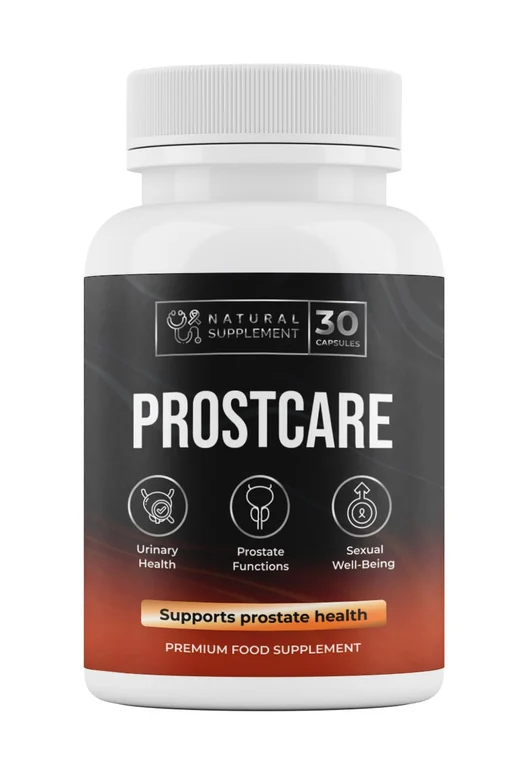
Prostcare
Saw palmetto, lycopene, green tea and turmeric capsules for men’s urinary comfort
KES 4,999
Order page
Botanical ingredient
from Curcuma longa · Also known as Curcuminoids, diferuloylmethane
Curcumin is the concentrated yellow pigment isolated from turmeric and the compound at the centre of most turmeric research. Modern curcumin products combine a measured dose with smart delivery, so the body can make the most of every capsule.
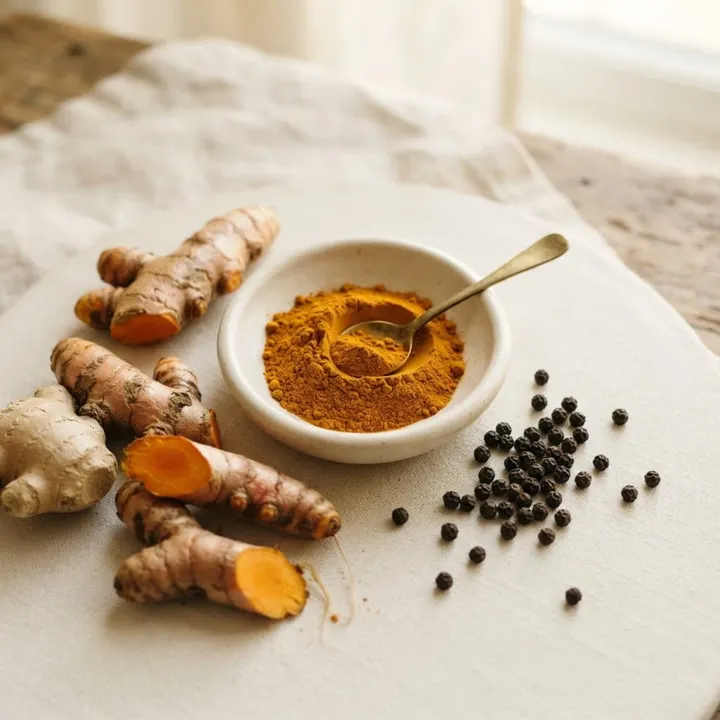
Curcumin is the principal curcuminoid in turmeric root and the compound responsible for its deep yellow colour. Supplement manufacturers extract and concentrate it, so a curcumin capsule can contain many times the curcuminoid load of a spoonful of turmeric powder.
Curcumin is fat-soluble, which is why formulators pair it with phospholipid complexes, micellar preparations or black pepper extract to help the body take it up.
Curcumin is the modern concentrate of a very old ingredient: whole turmeric, used as a spice and colouring agent across the Indian Ocean trade routes that reached the East African coast.
Good to know. Supplements containing curcumin are food supplements, so their labels describe support for everyday wellbeing.
Curcumin has been examined in human trials for joint comfort, exercise-related soreness and general wellbeing, and individual trials have reported positive results.
Much of the research focuses on delivery formats, which is why curcumin products today are carefully designed for absorption.
As a food supplement, curcumin supports everyday wellbeing and sits alongside any treatment a doctor has prescribed.
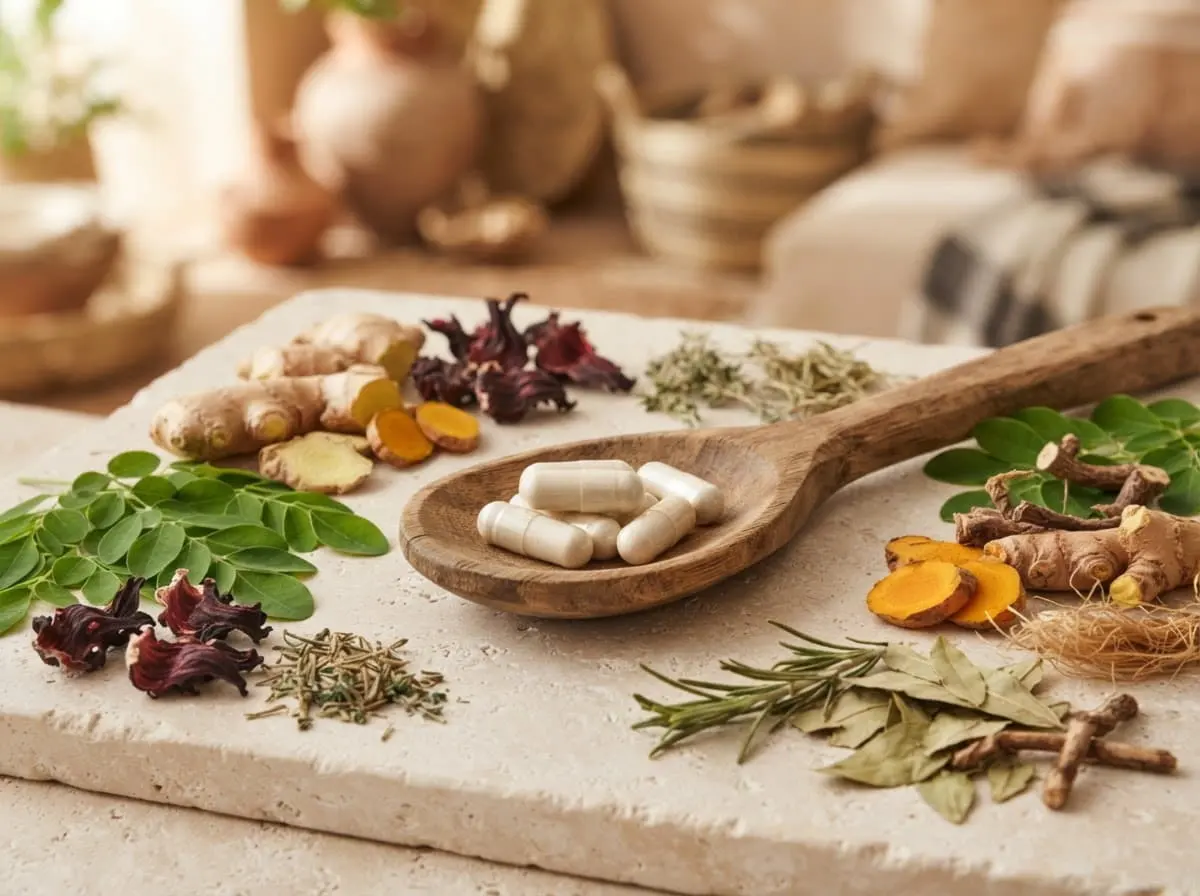
Curcumin is the anchor ingredient in most premium joint and active-lifestyle formulas. Doses in trials commonly sit in the hundreds of milligrams to low grams per day; the amount per capsule is printed on the pack.
Digestive discomfort, nausea and loose stools are the most frequently reported. Headache and skin rash have also been described.
May be relevant with anticoagulants, antiplatelet agents, some chemotherapy agents and medicines with a narrow therapeutic window. Ask a pharmacist to review your list.
People on blood thinners, people with bile duct obstruction or gallstones, anyone about to have surgery, and anyone pregnant or breastfeeding.
Products documented in African markets whose supplier material names this ingredient.
Saw palmetto, lycopene, green tea and turmeric capsules for men’s urinary comfort
KES 4,999
Order pageRoughly a few per cent of the powder weight. A curcumin capsule concentrates that into a convenient, measured daily amount.
Many manufacturers suggest taking it with a meal containing some fat, because curcumin is fat-soluble. Follow the specific label instructions for the product you buy.
Medical disclaimer. BioMedic Africa publishes consumer health information and supplement research summaries. It is not a pharmacy, a clinic or a medicines regulator, and nothing here is a diagnosis, a prescription or a treatment plan. Dietary supplements are foods, not medicines: they are not intended to diagnose, treat, cure or prevent any disease. Speak with a pharmacist or a qualified healthcare professional before starting any supplement, especially if you are pregnant or breastfeeding, under 18, living with a long-term condition, or taking prescription medication.