
Kenya
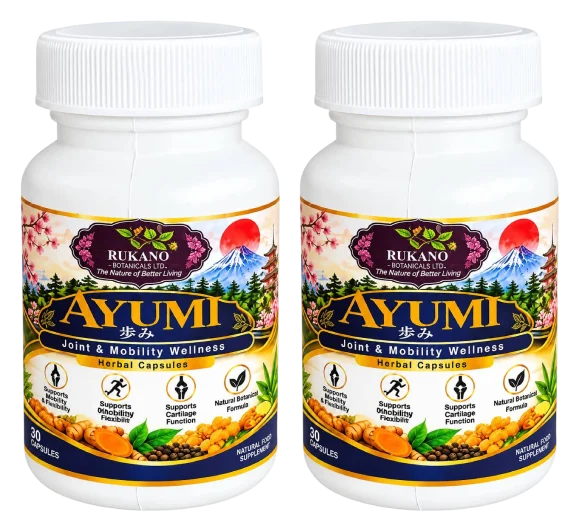
Ayumi
Turmeric, boswellia, black pepper and devil’s claw capsules for joints and mobility
KES 6,480
Order page
Botanical ingredient
Piper nigrum · Also known as Piperine, pilipili manga (Swahili)
Black pepper extract is the quiet helper of the supplement world. It is added in small amounts because piperine helps the body absorb other ingredients, most famously curcumin from turmeric.

Black pepper is the dried fruit of Piper nigrum. Its pungency comes from piperine, which supplement manufacturers isolate and standardise.
Piperine is used at low doses, typically 5–20 mg, as a bioavailability enhancer rather than as an active ingredient in its own right.
Pepper is a universal culinary spice and a component of Swahili coastal spice blends. Its standardised extract is a modern formulation tool built on that familiar kitchen ingredient.
Good to know. Supplements containing black pepper extract are food supplements, so their labels describe support for everyday wellbeing.
Piperine has been shown in human studies to increase blood levels of curcumin substantially when the two are taken together.
Its effects on the absorption of other nutrients have also been studied, which is why it appears in a range of herbal and vitamin complexes.
Because piperine also influences how medicines are absorbed, anyone on daily prescription medicines should check with a pharmacist first.

Piperine is a common addition to turmeric and curcumin products and appears in some multivitamin and herbal complexes.
Heartburn, stomach irritation and, rarely, allergic reactions.
Piperine inhibits several drug-metabolising enzymes and can raise blood levels of medicines including phenytoin, propranolol, rifampicin and some antiretrovirals. If you take any of these, ask a pharmacist before use.
Anyone taking prescription medication daily should ask a pharmacist before adding a piperine-containing supplement.

Products documented in African markets whose supplier material names this ingredient.
Turmeric, boswellia, black pepper and devil’s claw capsules for joints and mobility
KES 6,480
Order pagePiperine raises curcumin absorption substantially in studies, so it is a standard formulation choice that helps you get more from every capsule.
Culinary pepper contains piperine in varying amounts. Formulated products use a measured dose that pairs precisely with the other ingredients.
Medical disclaimer. BioMedic Africa publishes consumer health information and supplement research summaries. It is not a pharmacy, a clinic or a medicines regulator, and nothing here is a diagnosis, a prescription or a treatment plan. Dietary supplements are foods, not medicines: they are not intended to diagnose, treat, cure or prevent any disease. Speak with a pharmacist or a qualified healthcare professional before starting any supplement, especially if you are pregnant or breastfeeding, under 18, living with a long-term condition, or taking prescription medication.