
Health guide
Understanding Herbal Supplements: Tradition, Extraction and Quality

Africa has one of the world’s richest traditions of plant use, and modern herbal supplements bring that heritage into a measured daily capsule. Understanding what happens between a plant and a capsule helps you choose well.
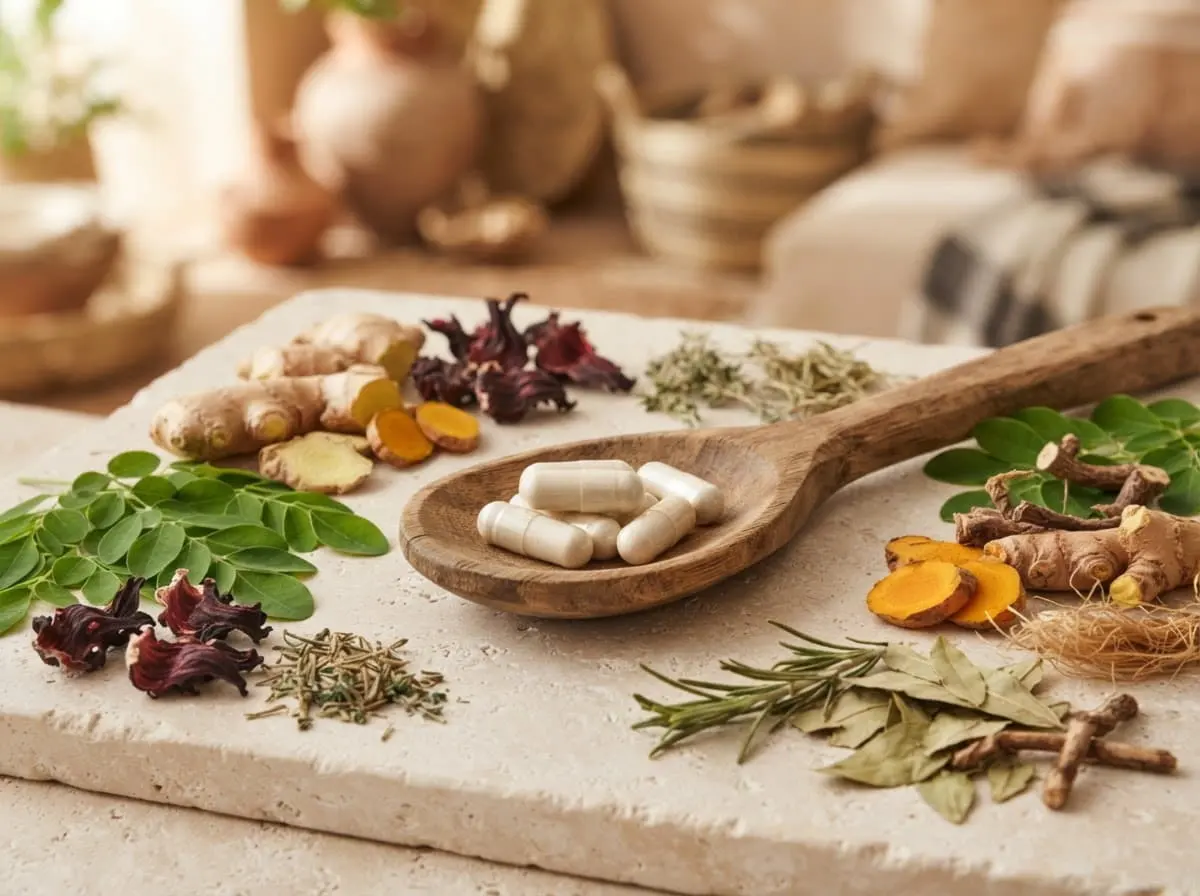
From traditional preparation to capsule
Traditional preparations use whole plant material in defined ways — a decoction of a particular part, at a particular strength, often within a wider practice. A modern capsule contains a measured extract, often standardised to a marker compound and produced to a consistent recipe.
Both have their place. A capsule gives the same amount every day and needs no preparation. Follow the daily dose on the pack, since a concentrated extract is stronger than the same weight of dried plant.
Botanical names exist for a reason
Common names vary across languages and regions. Ginseng can mean Panax ginseng, Eleutherococcus senticosus or Withania somnifera depending on who is selling. African potato, wild yam and devil’s claw all cover several species.
A label that gives the full botanical name and the plant part tells you exactly what you are buying.
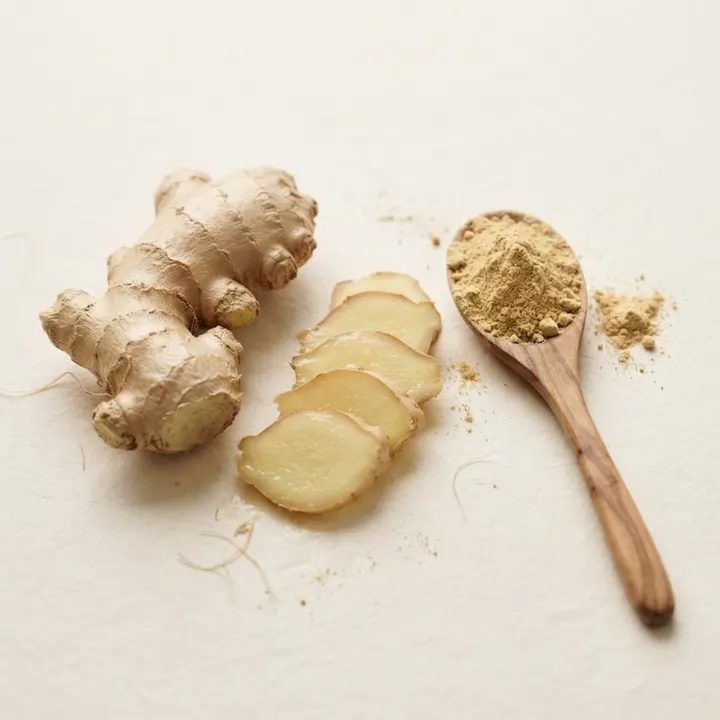
Extraction shapes the product
Extraction concentrates some compounds and leaves others behind. A water extract and an alcohol extract of the same plant differ chemically. A 10:1 extract represents ten times the raw material of the same weight of powder.
This is why the same herb can appear at 200 mg in one product and 2 g in another, with both correct for their form. Read the ratio, not just the number.
What marks a quality herbal product
Herbal supplements depend on the quality of the raw plant material: correct identification of the species, clean growing conditions and proper drying all matter, which is why a named extract and a clear label are worth looking for.
A clear label, a batch number and an expiry date are the signs of a product made to a consistent standard.
- Full botanical name and plant part on the label
- Extract ratio or standardisation percentage
- Country of origin and manufacturer name
- A statement about quality testing
- Daily dose and storage directions
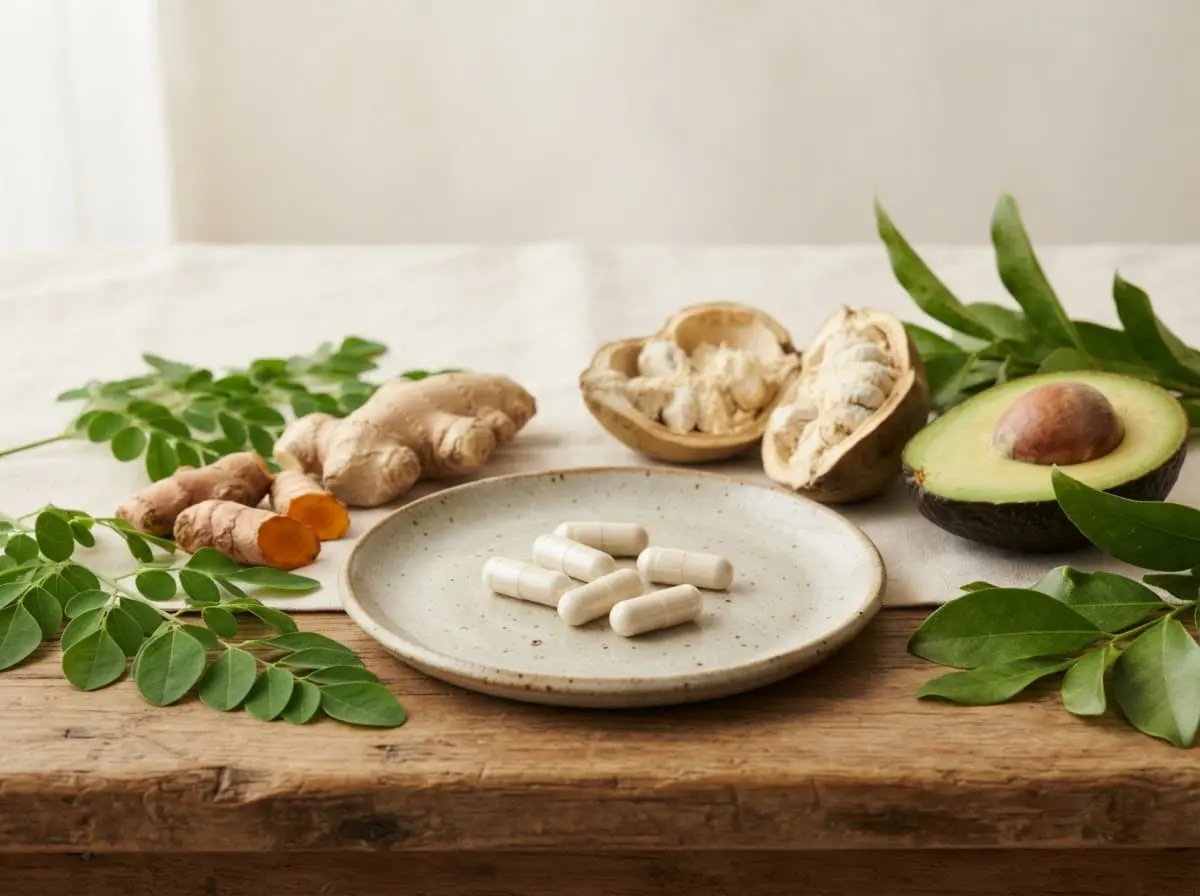
Plants are active — check combinations with medicines
Several widely sold botanicals interact with prescription medicines. St John’s wort reduces the effectiveness of many drugs including some antiretrovirals and contraceptives. Ginkgo increases bleeding risk. Liquorice raises blood pressure. Red yeast rice is chemically a statin.
Plants contain active compounds, which is exactly what makes them valuable — and why they deserve the same respect as any other active substance. If you take prescribed medicine, show the pack to your pharmacist before starting.
Where African botanicals sit
Some of the region’s own plants — moringa, baobab, hibiscus, prunus africana — have genuine research bases and local production, which keeps them fresh and affordable.
Others are valued for their long traditional use. Both have a place in daily use; the label tells you which plant, which part and how much.
Frequently asked questions
Are traditional remedies safer than supplements?
Each has its own strengths. Traditional preparations have long records of use; supplements offer a measured, consistent dose. In both cases, stay with the recommended amount.
Can I combine herbal supplements with prescribed medicine?
Often, but always check first. A pharmacist can review the combination in a short conversation.
Related guides
Checking ingredients for allergies and medicines
Supplement and drug interactions
How to choose a dietary supplement
Continue reading
Medical disclaimer. BioMedic Africa publishes consumer health information and supplement research summaries. It is not a pharmacy, a clinic or a medicines regulator, and nothing here is a diagnosis, a prescription or a treatment plan. Dietary supplements are foods, not medicines: they are not intended to diagnose, treat, cure or prevent any disease. Speak with a pharmacist or a qualified healthcare professional before starting any supplement, especially if you are pregnant or breastfeeding, under 18, living with a long-term condition, or taking prescription medication.