
Buying guide
Buying Supplements on African Marketplaces: Jumia, Kilimall, Takealot and Konga

Marketplaces offer the widest choice and the lowest prices in African supplement retail. They also shift the verification work onto you, which is a fair trade if you know it is happening.
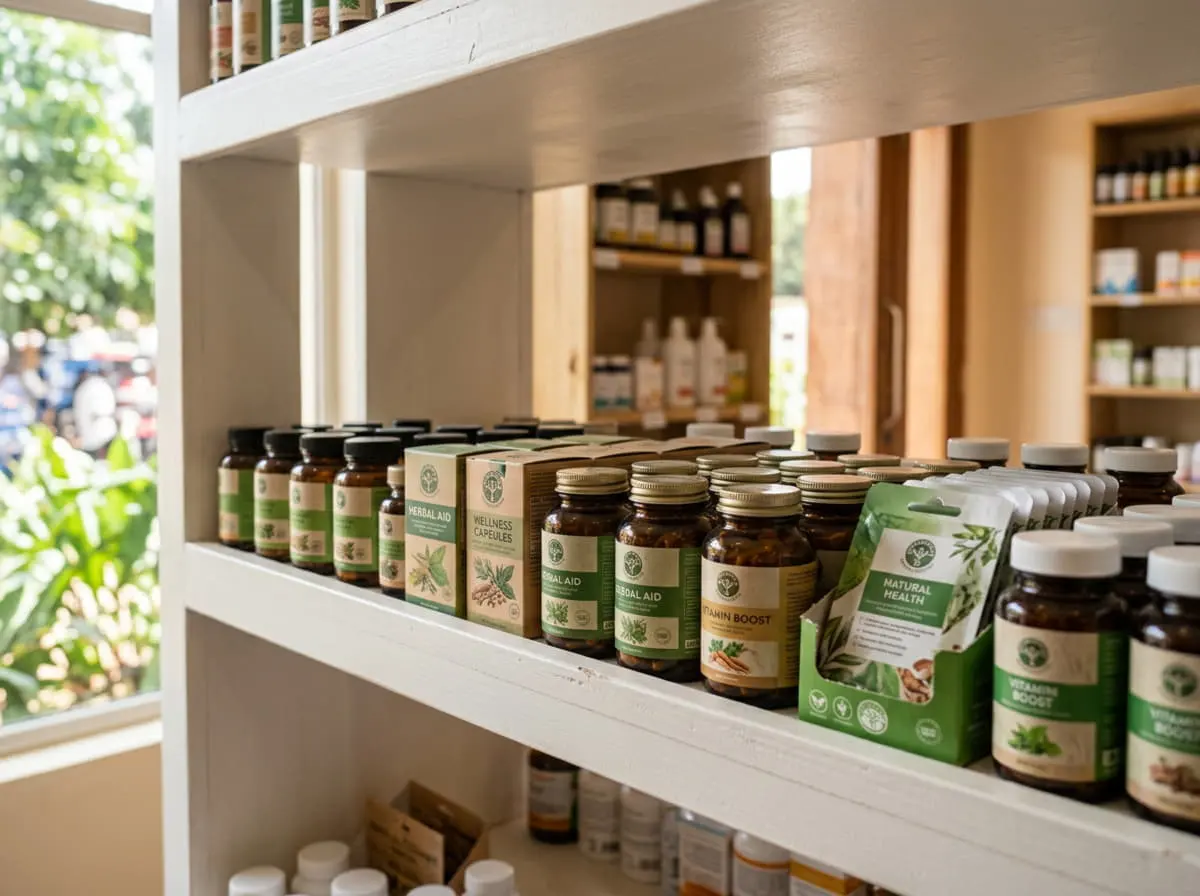
How marketplaces work
Jumia, Kilimall, Konga and Takealot are platforms hosting third-party sellers, sometimes alongside their own stock. The platform sets rules and handles payment and often delivery; the seller sources the product.
This means quality varies between sellers on the same platform, and platform reputation tells you less than seller reputation.
Reading a listing properly
A good listing states the pack size, the serving size and the ingredient amounts, and shows photographs of the actual product including the label.
A listing with a single stock photograph and no ingredient detail is asking you to buy blind. There are usually better listings for the same product.
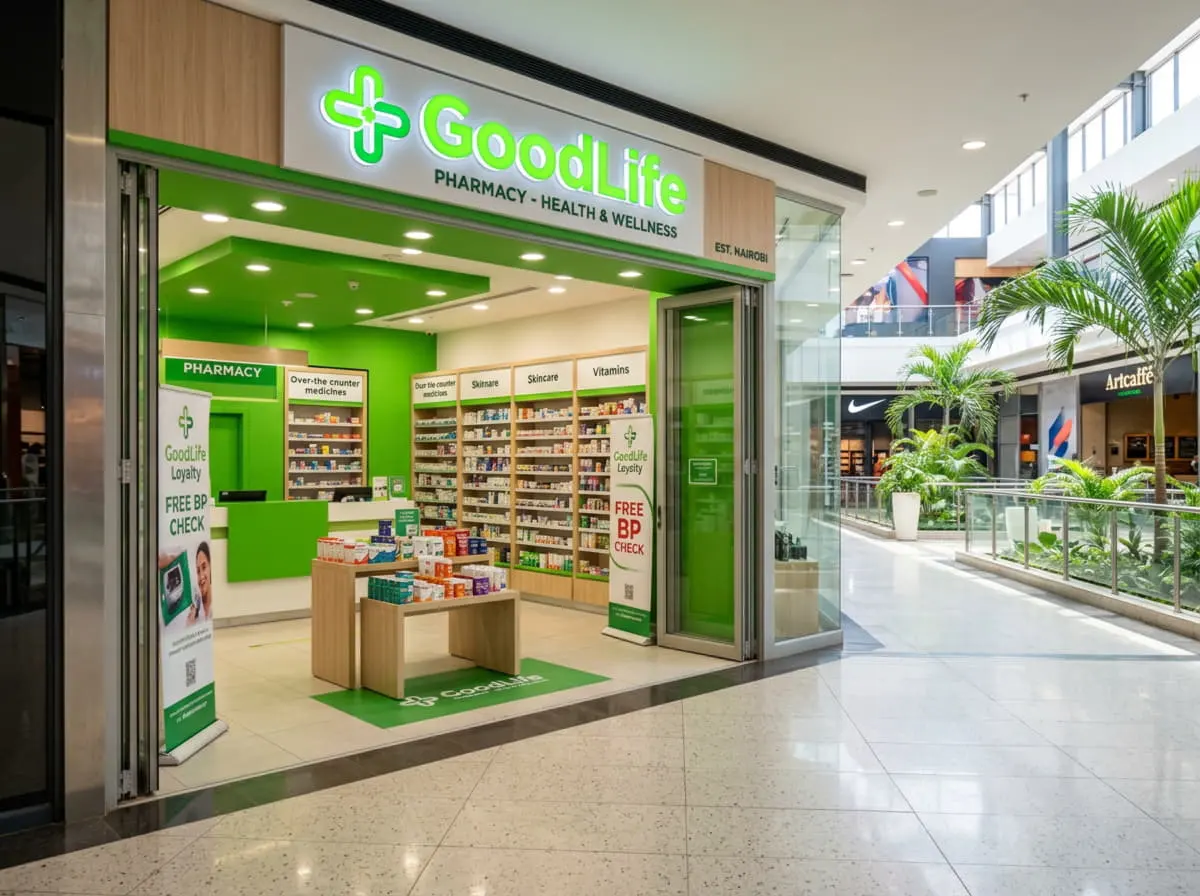
Assessing the seller
Seller signals are the most useful information on the page.
- Rating and number of completed orders
- Recent reviews rather than the lifetime average
- Whether photographs are of the actual item
- Responsiveness to questions about batch and expiry
- Whether the seller also has a physical retail presence
On delivery and afterwards
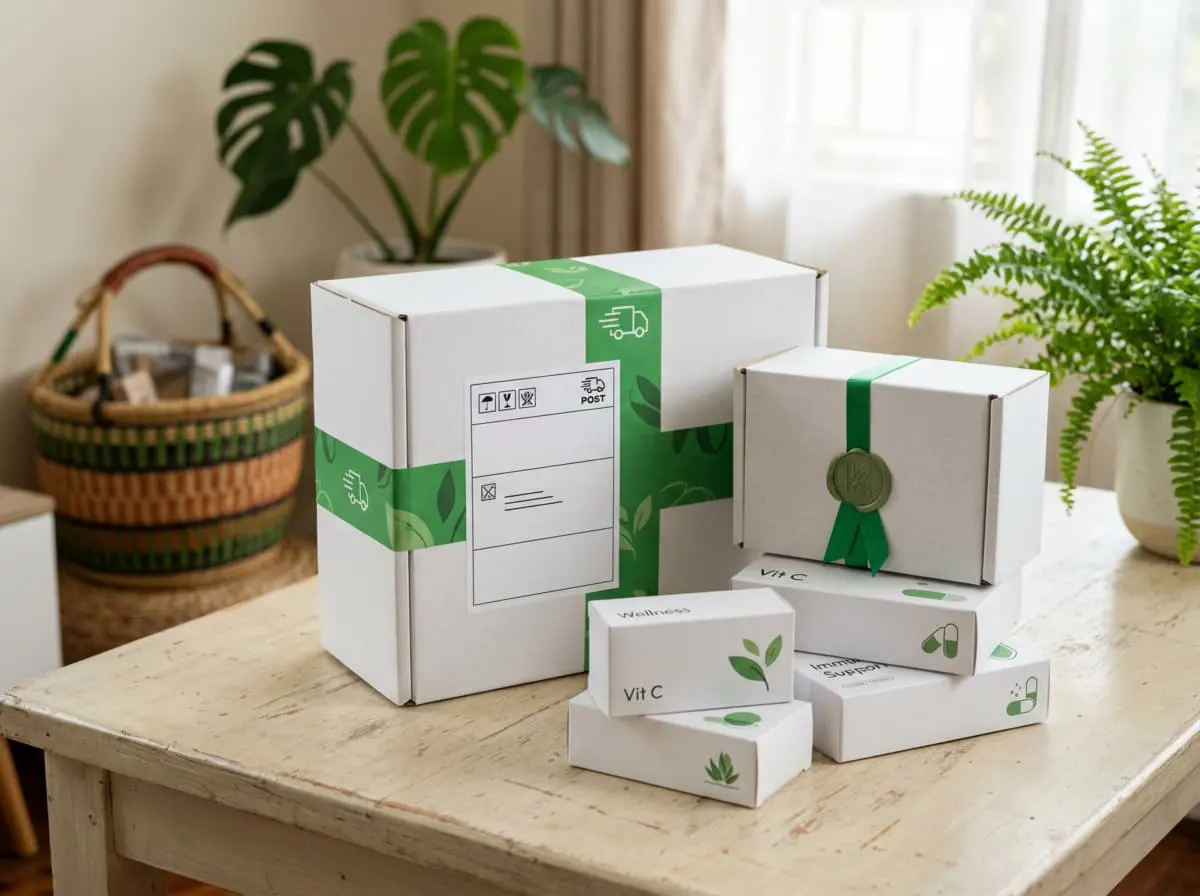
Use payment on delivery where offered and inspect before paying. Check product name, pack size, batch, expiry and seal.
Keep the order confirmation and photograph the pack. Platform returns processes work far better with evidence.
What marketplaces suit and what they do not
They suit familiar products where you know exactly what you want and can verify the listing matches it.
They suit less well: probiotics and oils where storage matters, and first-time purchases where you would rather inspect the pack before paying — which is what a direct order line with payment on delivery gives you.

Frequently asked questions
How do I pick a good marketplace seller?
Look for a strong rating, recent reviews and photographs of the actual pack, then check the seal and expiry date when the courier arrives.
Which is safer, Jumia or a classifieds site?
A reviewed marketplace with a returns process is meaningfully safer than classifieds, where there is no listing review at all.
Related guides
Medical disclaimer. BioMedic Africa publishes consumer health information and supplement research summaries. It is not a pharmacy, a clinic or a medicines regulator, and nothing here is a diagnosis, a prescription or a treatment plan. Dietary supplements are foods, not medicines: they are not intended to diagnose, treat, cure or prevent any disease. Speak with a pharmacist or a qualified healthcare professional before starting any supplement, especially if you are pregnant or breastfeeding, under 18, living with a long-term condition, or taking prescription medication.
Commercial disclosure. Some links on this page lead to an order form operated through a partner network. If you order through them, BioMedic Africa may receive a commission. This never changes the price you pay and does not influence which ingredients or products we describe. Full affiliate disclosure.