
Kenya
Immune Support Supplements in Kenya: Vitamin C, Zinc, Vitamin D and Local Foods

Immune products sell well in Kenya because they make it easy to keep key nutrients topped up. Pair them with local foods that are rich in the same nutrients and you have a simple plan for every day.
The nutrients with defined roles
Vitamin C, vitamin D, zinc, selenium, iron, vitamin A and protein all have established roles in immune function. Deficiency in any of them impairs immune responses.
Vitamin C, vitamin D, zinc and selenium contribute to the normal function of the immune system, which is why they anchor most immune formulas. The aim is a steady, adequate daily intake.
Local foods that do the job
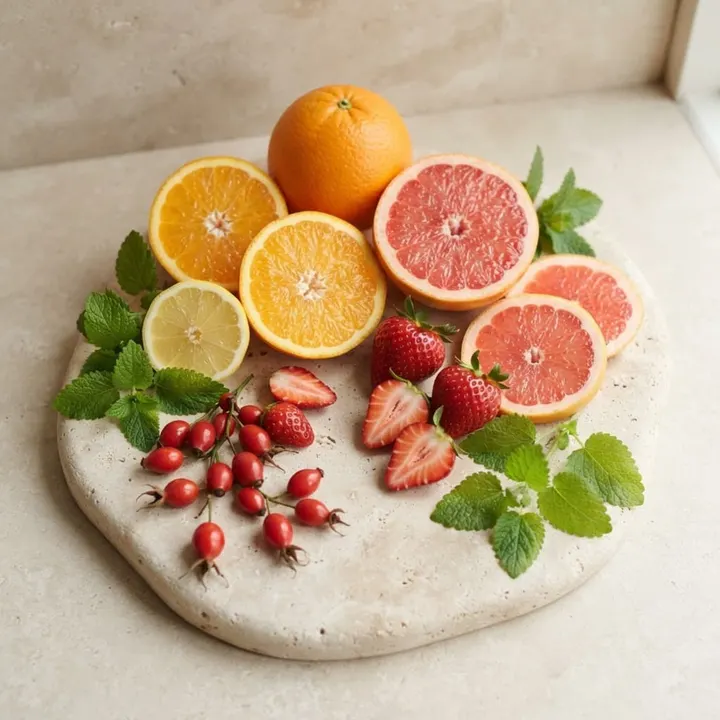
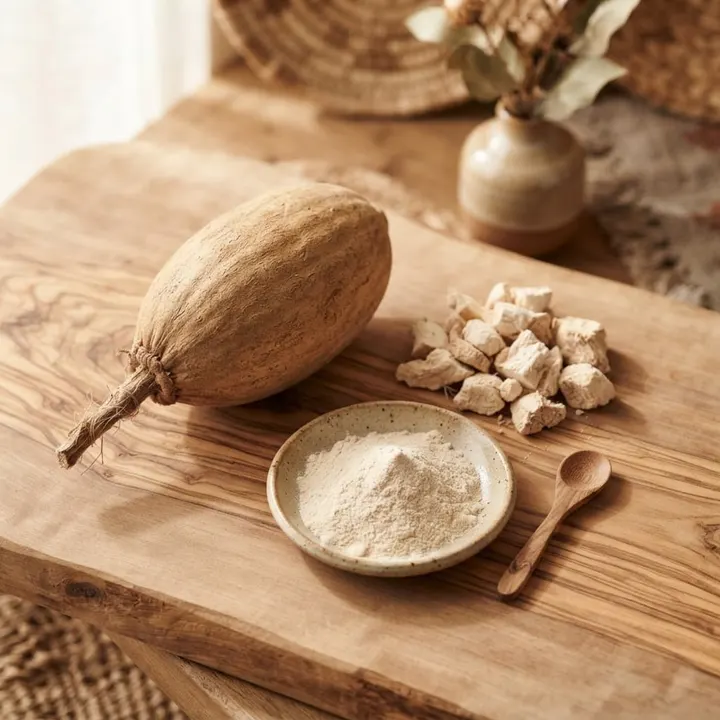
Guava, mango, oranges, baobab pulp and dark leafy greens all supply vitamin C generously and seasonally. Groundnuts, beans and pumpkin seeds supply zinc. Omena supplies vitamin D along with calcium and protein.
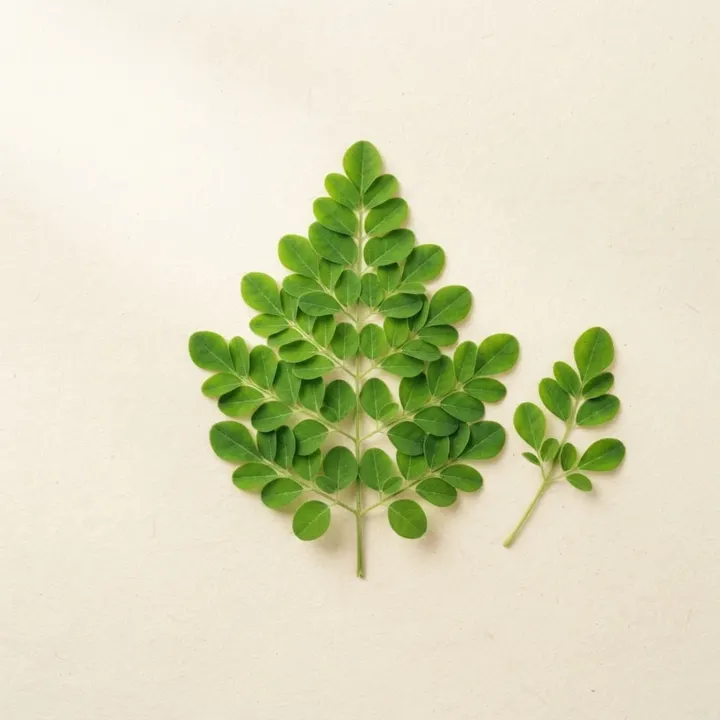
Moringa, grown widely in Kenya, contributes several micronutrients and is a traditional part of the local diet.
When a supplement is reasonable
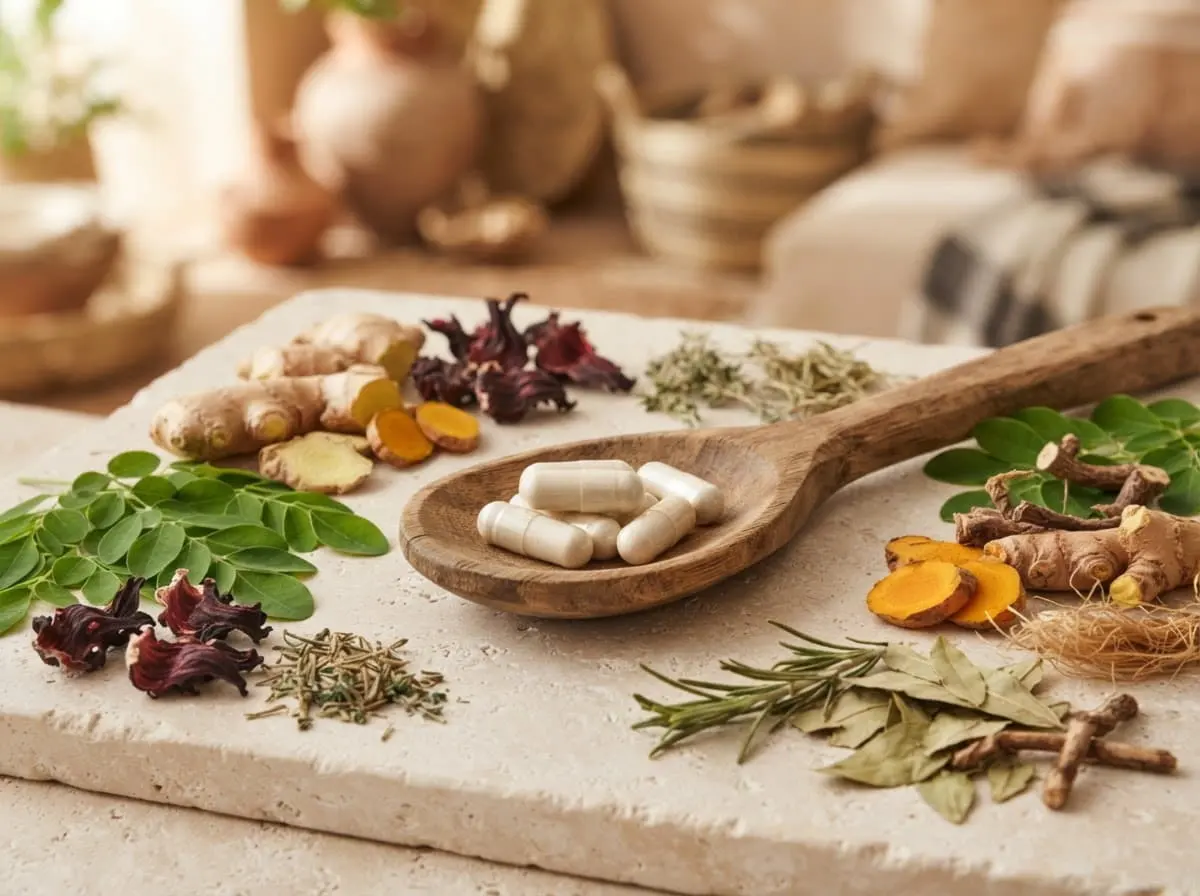
Vitamin D where sun exposure is limited by indoor work. Zinc lozenges as a short course at the onset of cold symptoms. A general vitamin C product where fruit intake is low.
Follow the daily amount on the pack; very high zinc intakes over long periods can lower copper levels.
What does the heavy lifting
Vaccination, hygiene, clean water and adequate sleep are the foundation of staying well. An immune formula supports everyday nutrition alongside them.
Frequent or severe infections are a reason to see a doctor.
Frequently asked questions
Why take vitamin C daily?
Vitamin C contributes to the normal function of the immune system and the body does not store it, so a steady daily intake from food or a tablet keeps it topped up.
Is moringa good for immunity?
Moringa leaf contributes several micronutrients as a food, which makes it a welcome part of a nutrient-rich daily diet.
More on the Kenyan market
Related guides
Medical disclaimer. BioMedic Africa publishes consumer health information and supplement research summaries. It is not a pharmacy, a clinic or a medicines regulator, and nothing here is a diagnosis, a prescription or a treatment plan. Dietary supplements are foods, not medicines: they are not intended to diagnose, treat, cure or prevent any disease. Speak with a pharmacist or a qualified healthcare professional before starting any supplement, especially if you are pregnant or breastfeeding, under 18, living with a long-term condition, or taking prescription medication.
Commercial disclosure. Some links on this page lead to an order form operated through a partner network. If you order through them, BioMedic Africa may receive a commission. This never changes the price you pay and does not influence which ingredients or products we describe. Full affiliate disclosure.