
Buying guide
Supermarket Pharmacies and Health Aisles Across Africa

Supermarket health aisles cover the everyday end of the supplement market at competitive prices. They are ideal for mainstream products and unsuited to anything requiring advice.
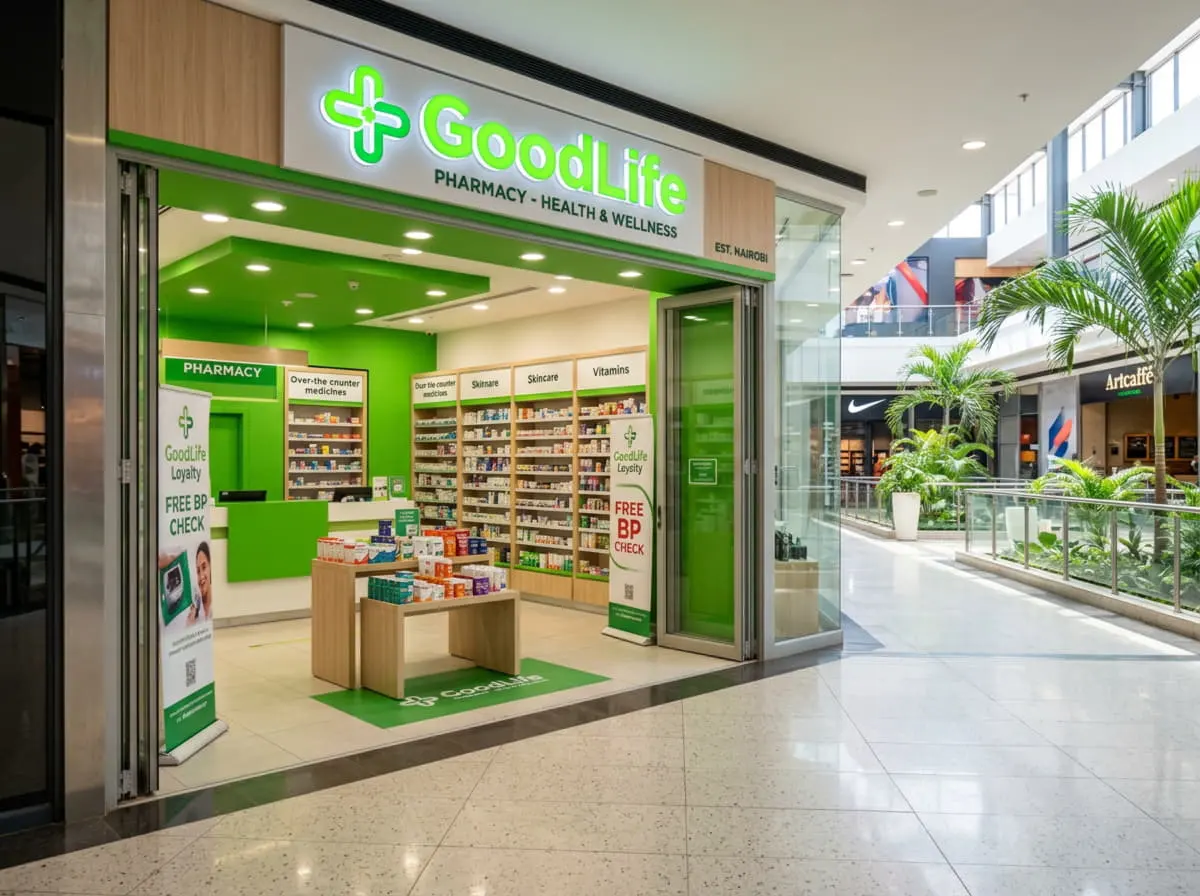
What they typically stock
Mainstream vitamins and minerals — vitamin C, multivitamins, B-complex, calcium, iron — plus a small selection of general wellness products.
Larger branches with a pharmacy counter extend that to over-the-counter medicines and a wider supplement range.
Where to find them
Kenya: Naivas, Carrefour and Quickmart. South Africa: Checkers and Shoprite Medirite pharmacies, alongside the dedicated Clicks and Dis-Chem chains. Ghana: Melcom and larger supermarkets. Nigeria: supermarket health sections alongside the pharmacy chains.
Availability of an actual pharmacy counter varies by branch, so a large branch is usually the better bet.
When they are the right choice
For a repeat purchase of a mainstream product you already use, a supermarket is convenient and competitively priced.
For a first purchase, a category you do not know, or anything you take alongside prescribed medication, a pharmacy with a pharmacist is the better call.
What to check
The same checks apply as anywhere: amounts per serving, servings per pack, batch number, expiry date and storage conditions.
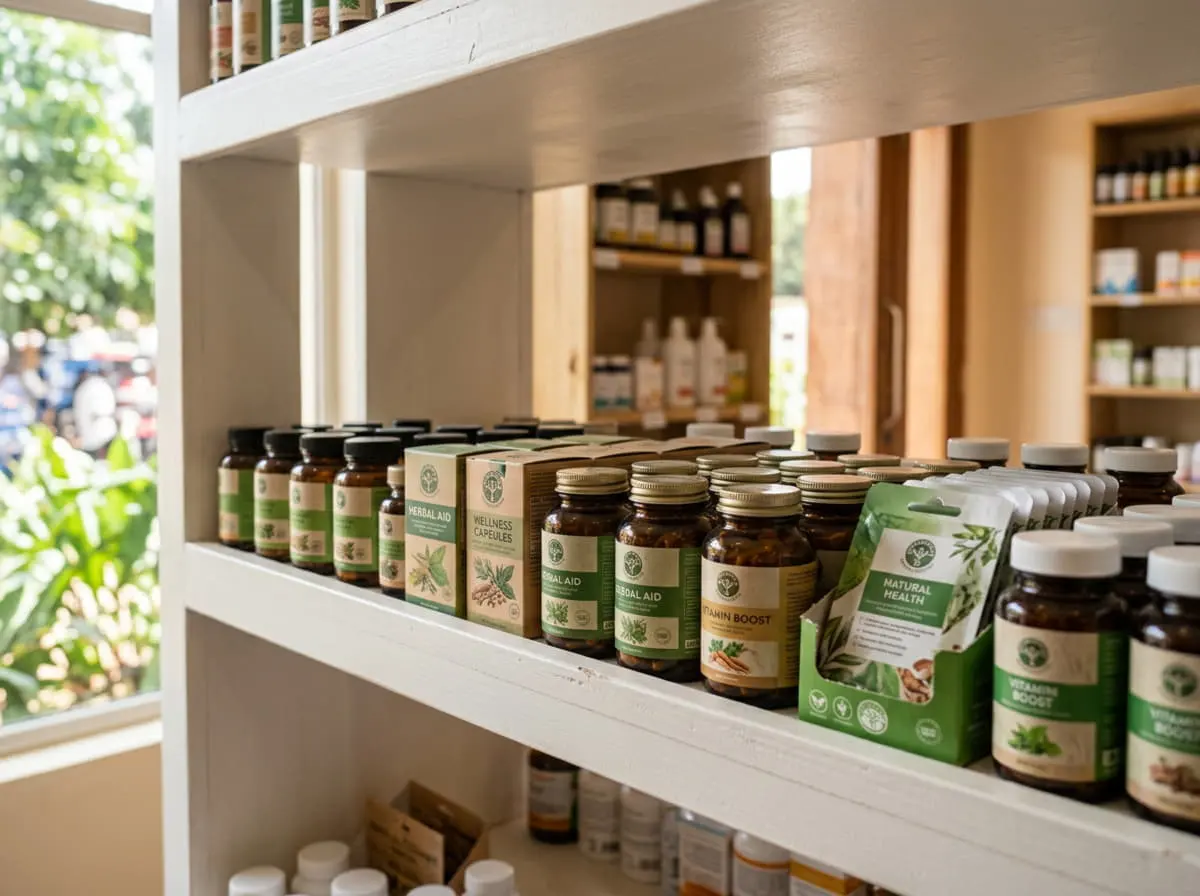
Health aisles are often near shop windows and lighting, so check that packs have not been sitting in direct sun.
- Expiry date, especially on clearance stock
- Packs stored away from direct sunlight
- Amounts per serving on the back of the pack
- Whether a pharmacy counter is available for questions

Frequently asked questions
Are supermarket supplements lower quality?
Not inherently. They are usually mainstream brands at competitive prices, with a narrower range and no advice available.
Can I ask a question at a supermarket pharmacy?
At branches with a pharmacy counter, yes. Health aisles without a counter have no professional on hand.
Related guides
How to compare supplement brands
Supplement storage in hot climates
How to choose a dietary supplement
Medical disclaimer. BioMedic Africa publishes consumer health information and supplement research summaries. It is not a pharmacy, a clinic or a medicines regulator, and nothing here is a diagnosis, a prescription or a treatment plan. Dietary supplements are foods, not medicines: they are not intended to diagnose, treat, cure or prevent any disease. Speak with a pharmacist or a qualified healthcare professional before starting any supplement, especially if you are pregnant or breastfeeding, under 18, living with a long-term condition, or taking prescription medication.
Commercial disclosure. Some links on this page lead to an order form operated through a partner network. If you order through them, BioMedic Africa may receive a commission. This never changes the price you pay and does not influence which ingredients or products we describe. Full affiliate disclosure.