
Health guide
How to Avoid Counterfeit and Adulterated Supplements in Africa

Counterfeiting is a genuine problem in African supplement markets, but it is not evenly distributed. Two categories carry most of the risk, and a handful of checks remove most of the exposure.
Two problems, not one
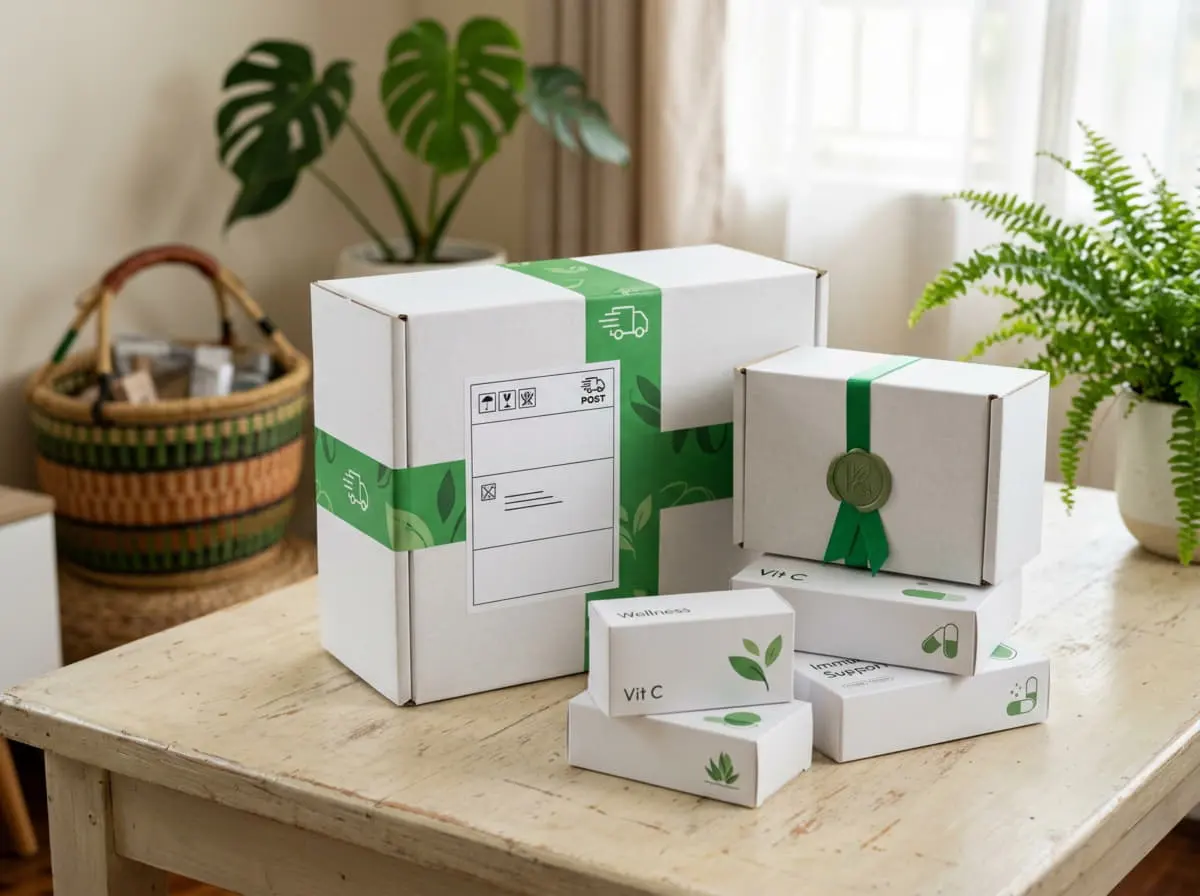
Counterfeiting means a fake version of a real product — same branding, different contents, often nothing active at all. Adulteration means a product that contains something undeclared, usually a pharmaceutical drug added to produce a noticeable effect.
The second is the more dangerous. Regulators including NAFDAC and SAHPRA have repeatedly found undeclared sildenafil analogues in men’s performance products and withdrawn weight-loss drugs such as sibutramine in slimming products. Someone taking those unknowingly, alongside heart medication, is at real risk.
Know which categories carry the risk
Adulteration is concentrated in three product types: sexual performance, weight loss, and sports and bodybuilding products. A vitamin C tablet from a supermarket is a different risk universe from an anonymous men’s capsule bought through a social-media account.
If you buy in those three categories, buy from a licensed pharmacy with a fully labelled product, or reconsider the purchase.

Use the registration systems that exist
Several countries in the region give consumers a direct check. Nigeria’s NAFDAC issues a registration number that appears on the pack and runs public verification tools. Ghana’s Food and Drugs Authority registers food supplements and herbal products with a registration number. South Africa requires a prescribed disclaimer on complementary medicines.
These systems are not perfect and numbers can be copied, but a product with no number at all in a market that requires one has already told you something.
Inspect the physical pack
Cash on delivery, which is standard across the region, gives you a genuine advantage: you can examine the product before paying. Use it properly.
- Printing quality — blurred text, misaligned labels and spelling errors are common on counterfeits
- A legible batch number and expiry date, matching between outer box and inner container
- An intact seal under the cap and a sealed blister or bottle
- Capsules or tablets that are uniform in colour, size and smell
- A manufacturer address you can actually locate

Choose the channel deliberately
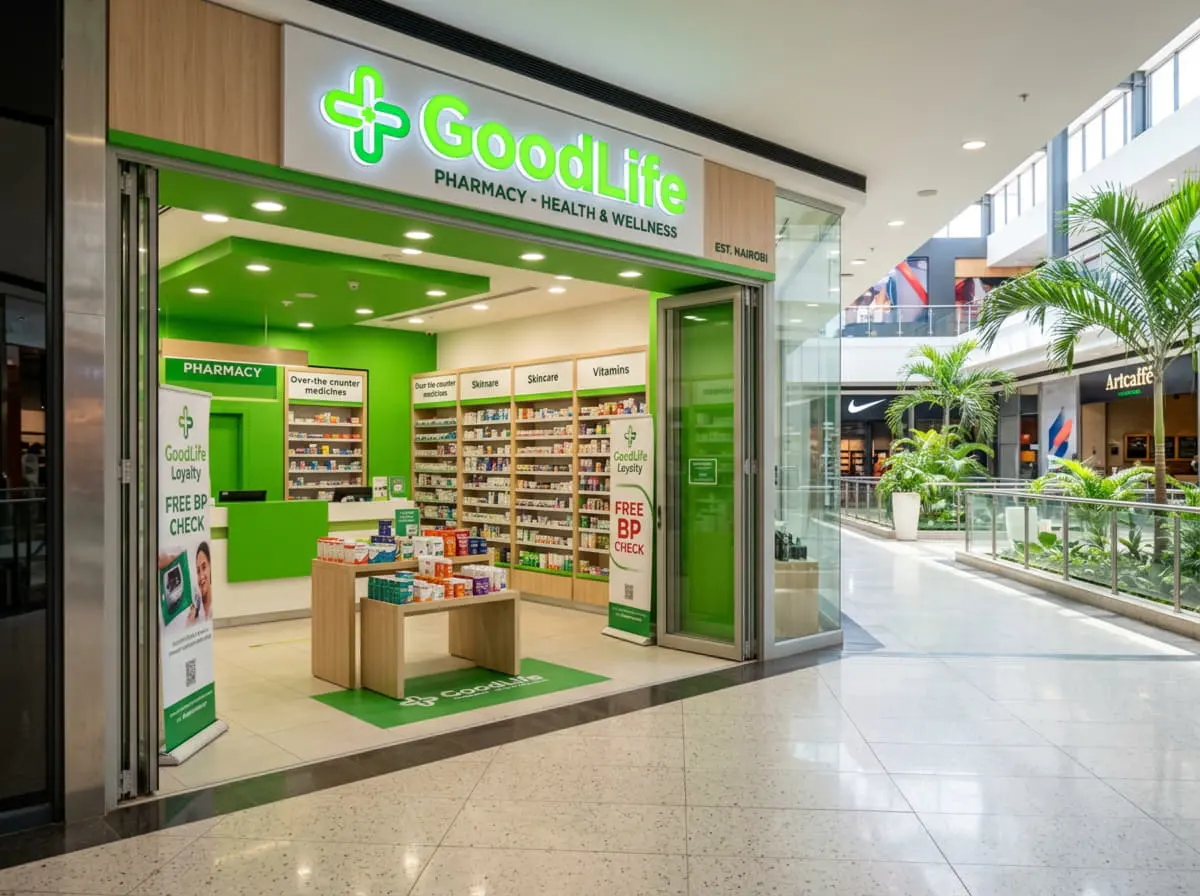
Channel is the single biggest variable you control. A chain pharmacy has a supply chain, an accountable licence and a pharmacist. A marketplace listing has a seller rating and a returns process. A classifieds advertisement or a social-media direct message has neither.
This does not mean marketplaces are unusable. It means checking the seller’s rating, reading recent reviews, comparing the listing photographs against the manufacturer’s own images, and preferring listings that show the batch and expiry.
What to do if you suspect a fake
Do not take it. Keep the packaging. Report it to the national regulator — NAFDAC, FDA Ghana, the Pharmacy and Poisons Board, TMDA, NDA or SAHPRA all accept consumer reports, and reports are how enforcement priorities are set.
If you have already taken it and feel unwell, seek medical advice and take the pack with you.
Frequently asked questions
Is buying on Jumia or Takealot risky?
Marketplace listings come from third-party sellers, so the seller matters more than the platform. Check ratings, read recent reviews and inspect the pack on arrival.
Can I test a supplement myself?
Not meaningfully. Physical inspection and channel choice are the practical tools available to consumers; laboratory testing is a regulator’s job.
Related guides
How to buy supplements safely online
How to evaluate supplement claims
What to check before ordering
Continue reading
Men’s health
Health topicWeight management
CategoryMen’s health supplements
CategoryWeight management supplements
Medical disclaimer. BioMedic Africa publishes consumer health information and supplement research summaries. It is not a pharmacy, a clinic or a medicines regulator, and nothing here is a diagnosis, a prescription or a treatment plan. Dietary supplements are foods, not medicines: they are not intended to diagnose, treat, cure or prevent any disease. Speak with a pharmacist or a qualified healthcare professional before starting any supplement, especially if you are pregnant or breastfeeding, under 18, living with a long-term condition, or taking prescription medication.